No unfit drinking water samples, says SWR after quality checks
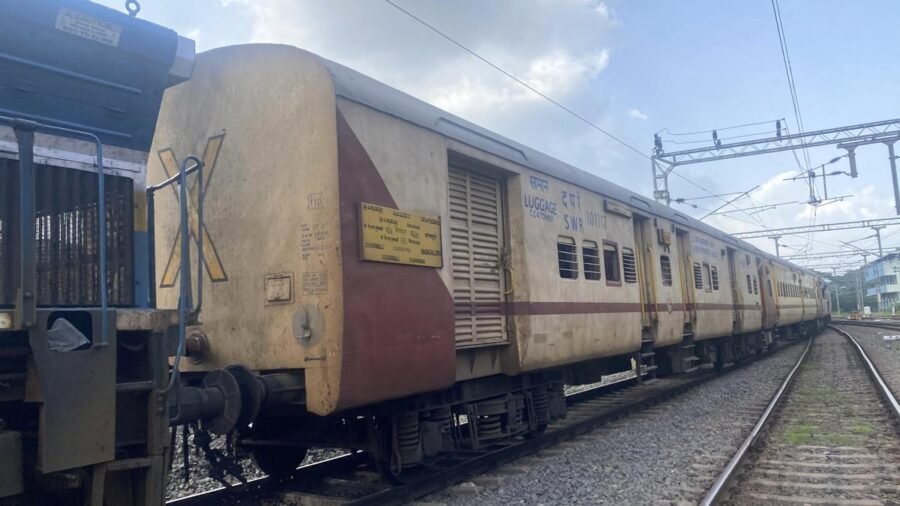
The South Western Railway (SWR) has announced that none of the drinking-water samples tested at railway stations and colonies across its Hubballi, Bengaluru and Mysuru divisions were found unfit during quality checks conducted between September 14 and 22, 2026.
As part of its ongoing drinking-water quality monitoring programme, SWR tested samples for residual chlorine, bacteriological parameters and chemical parameters to ensure that water supplied to passengers and railway staff is safe for consumption, according to a release.
“A total of 249 drinking-water samples were tested for residual chlorine, and all 249 were found fit. No samples were found unfit, while no results were pending in this category,” the release stated.
The railways said that for bacteriological analysis, 18 samples were collected from the railway water supply system, of which 11 were found fit, while results of seven samples are awaited. Similarly, 32 samples were collected for chemical analysis, with 30 found fit and two results pending.
In the Hubballi Division, 143 residual chlorine samples were tested and all were found fit. Ten bacteriological and 30 chemical samples were also tested, with all reported fit.
The Bengaluru Division tested 72 residual chlorine samples, all of which were found fit, along with one bacteriological sample that was also declared fit.
In the Mysuru Division, 34 residual chlorine samples were found fit, while results of seven bacteriological and two chemical samples are awaited.
The SWR said health inspectors conduct daily checks of residual chlorine levels in drinking water at stations and colonies. The Engineering Department also carries out regular chlorination of water-supply installations.
The railway zone said that if any sample is found unsatisfactory, immediate corrective measures, including cleaning, re-chlorination and system rectification, are undertaken, followed by further testing.
Bengaluru: Passenger jumps onto tracks at Rajajinagar Metro station, rescued
By Sohail Khan · 23 Sep
Nara Lokesh calls for mission-mode mental health support for A.P. students
By Sohail Khan · 23 Sep
Leave a Reply