Mumbai’s footpaths remain a squeeze despite ‘Pedestrian First’ push
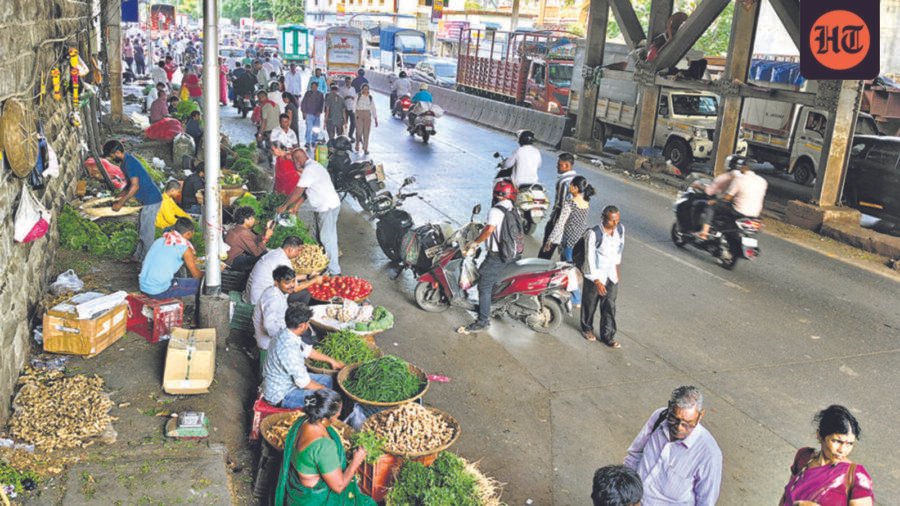
Hawker stalls, parked vehicles, garages, cattle sheds, pipes and even accumulated mud have eaten into footpaths across several high-footfall stretches visited by
Published on: Sep 18, 2026, 07:56:00 IST
Prefer HTon Google
Share via
Copy link
MUMBAI: The city’s footpaths may be getting a “Pedestrian First” push from the Brihanmumbai Municipal Corporation (BMC), but on the ground, pedestrians are still being squeezed into narrow strips of space.
Hawker stalls, parked vehicles, garages, cattle sheds, pipes and even accumulated mud have eaten into footpaths across several high-footfall stretches visited by . In some locations, less than half of the designated pedestrian space remains usable; in others, the entire footpath has been taken over.
Under its relaunched “Pedestrian First” campaign, the BMC has identified 320 km of footpaths to be cleared of encroachments, including unauthorised hawkers and structures, parked vehicles and other obstructions. The civic body said it had acted on 134 stretches, covering about 197 km, by August 29.
To test the claim on the ground, visited five locations around railway and metro stations and measured footpath widths and usable pedestrian space using a handheld laser distance meter. The exercise examined the actual space available to pedestrians and documented obstructions along the stretches. At several locations, the space available for walking was substantially affected by objects and activities occupying the footpath.
Rishi Agarwal, founder of the Walking Project, a citizen-led initiative seeking to reclaim Mumbai’s streets for pedestrians, said much of the problem could be addressed by enforcing existing rules on footpaths, hawking and parking. He said illegal parking was a particularly serious problem for pedestrians and urged citizens to press elected representatives to ensure existing policies were implemented.
Advocate Trivankumar Karnani, founder of MNCDF Citizen Welfare Forum, said the condition of Mumbai’s footpaths reflected failures in civic enforcement. Sustained, coordinated action by the BMC and Mumbai Police was needed, he said, adding that demolition drives without police support, or police action without civic participation, would not provide a lasting solution.
The BMC has itself stated that pedestrians account for nearly half of Mumbai’s daily trips and that proper footpaths are a fundamental civic requirement. However, the question that emerges following ’s ground exercise is whether the city’s pedestrian-first push is translating into footpaths that pedestrians can actually use.
Senapati Bapat Marg, Dadar
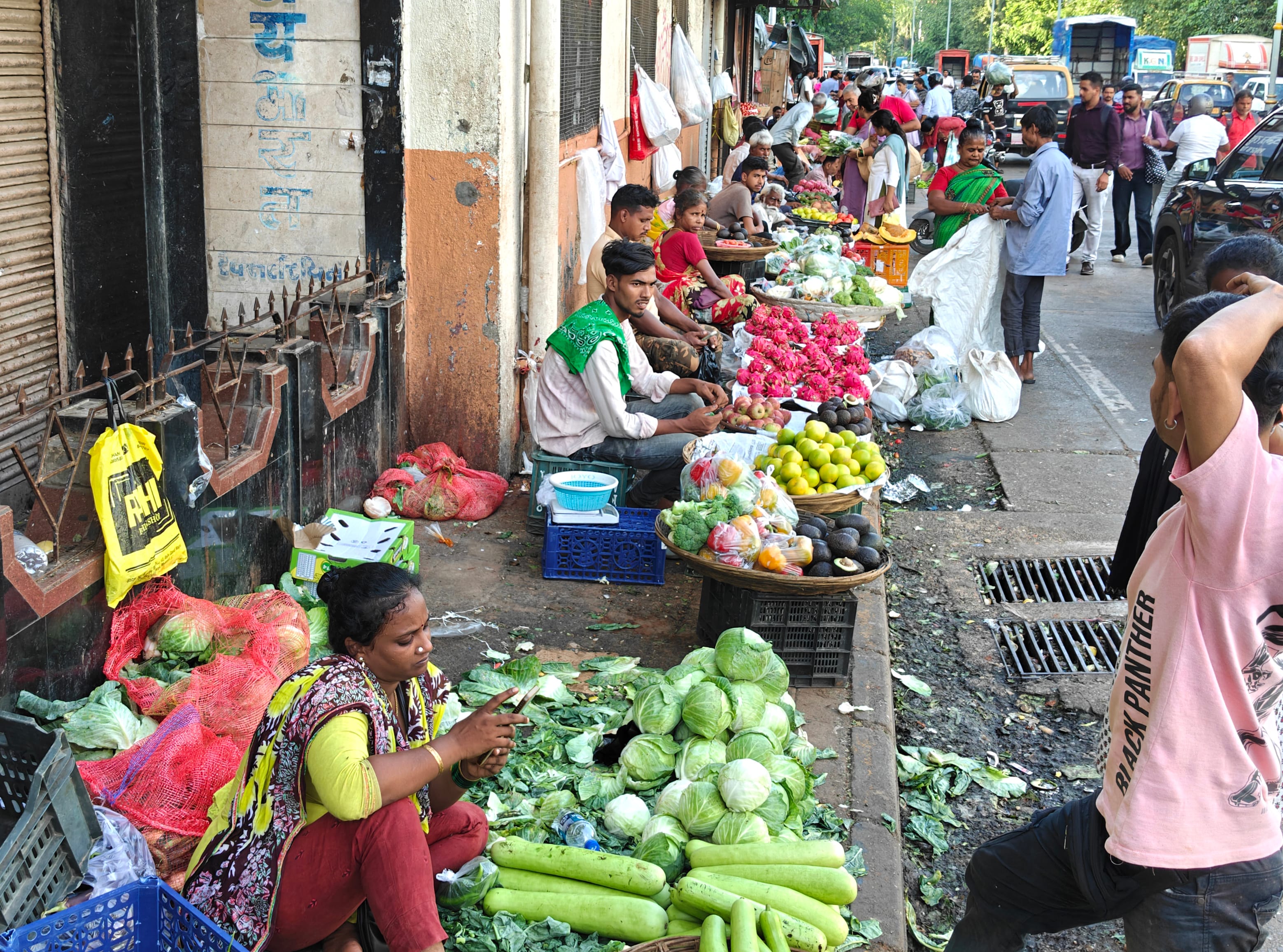
A 22-metre-long stretch of a four-metre-wide footpath opposite Dadar station was completely occupied by at least 30 hawkers, leaving no usable space for pedestrians. Further along, accumulated mud had rendered a portion of the footpath under a bridge unusable.
NG Acharya Marg, Chembur
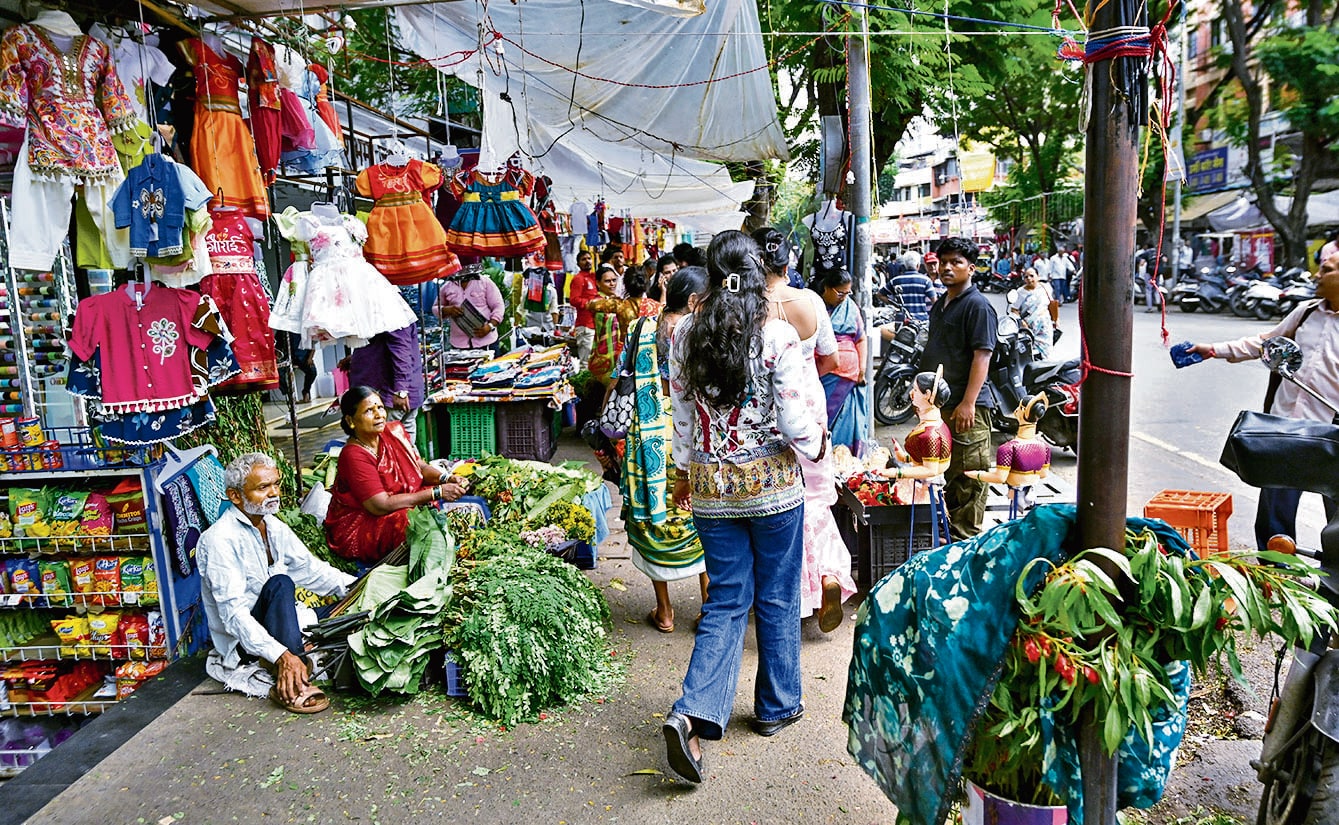
Four-metre-wide footpaths on both sides of NG Acharya Marg outside Chembur station were occupied by hawkers, despite the stretch being a declared non-hawking zone. Only 1.8 metres remained usable. The available space narrowed further when two or more customers gathered around a stall. counted 10 stalls within a 10-metre stretch outside the station.
Shell Colony, Eastern Express Highway service road
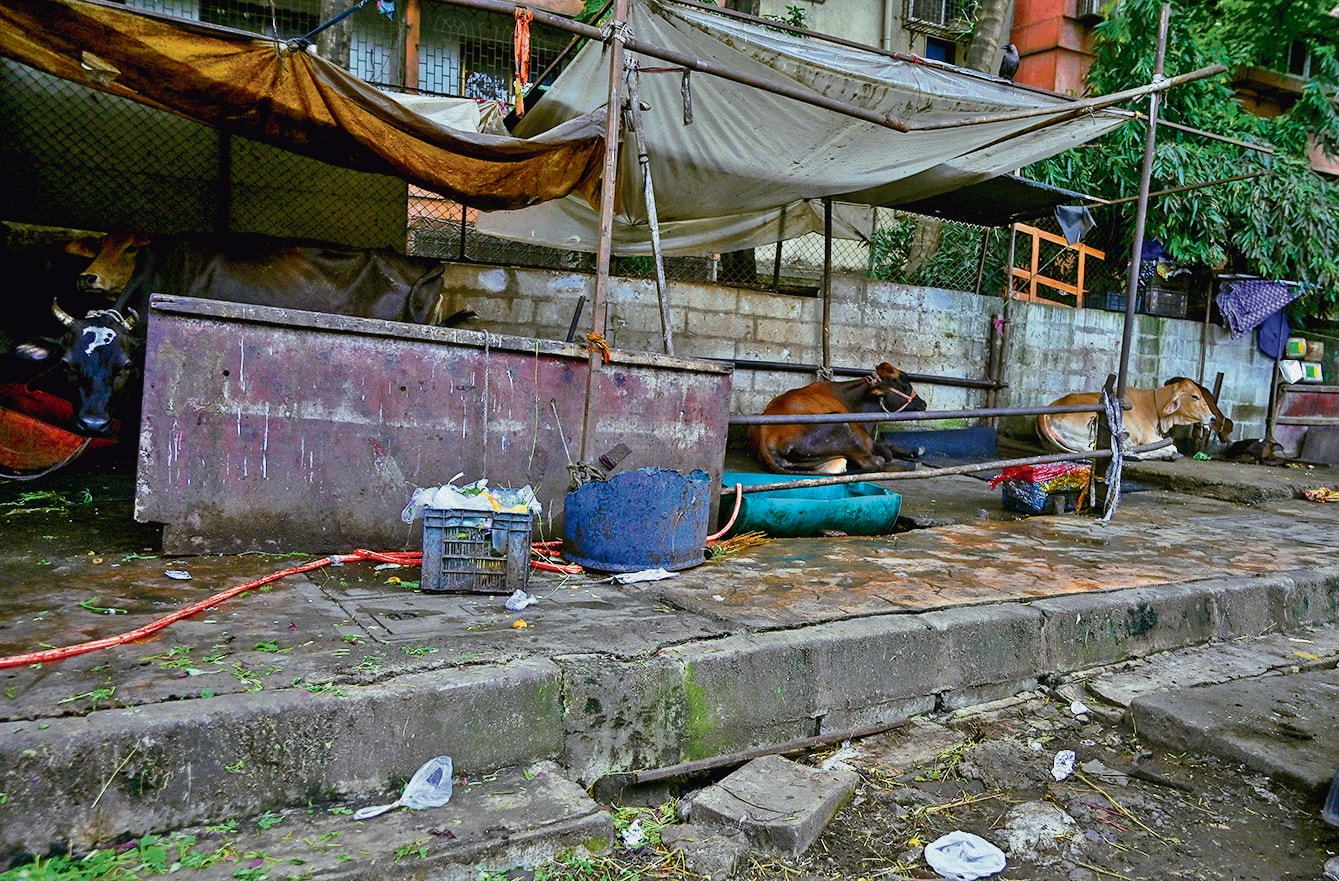
A 100-metre-long stretch of the 3.2-metre-wide footpath along the Eastern Express Highway service road at Shell Colony in Chembur was occupied by two large huts. One had a cattle shed housing around 12 cows. Cooking stoves, household utensils and other domestic items spilled onto the footpath. Two long pipes and a cement pipe running along the stretch further obstructed the path, leaving it unusable.
Jagruti Nagar, outside Sarvodaya Anant School
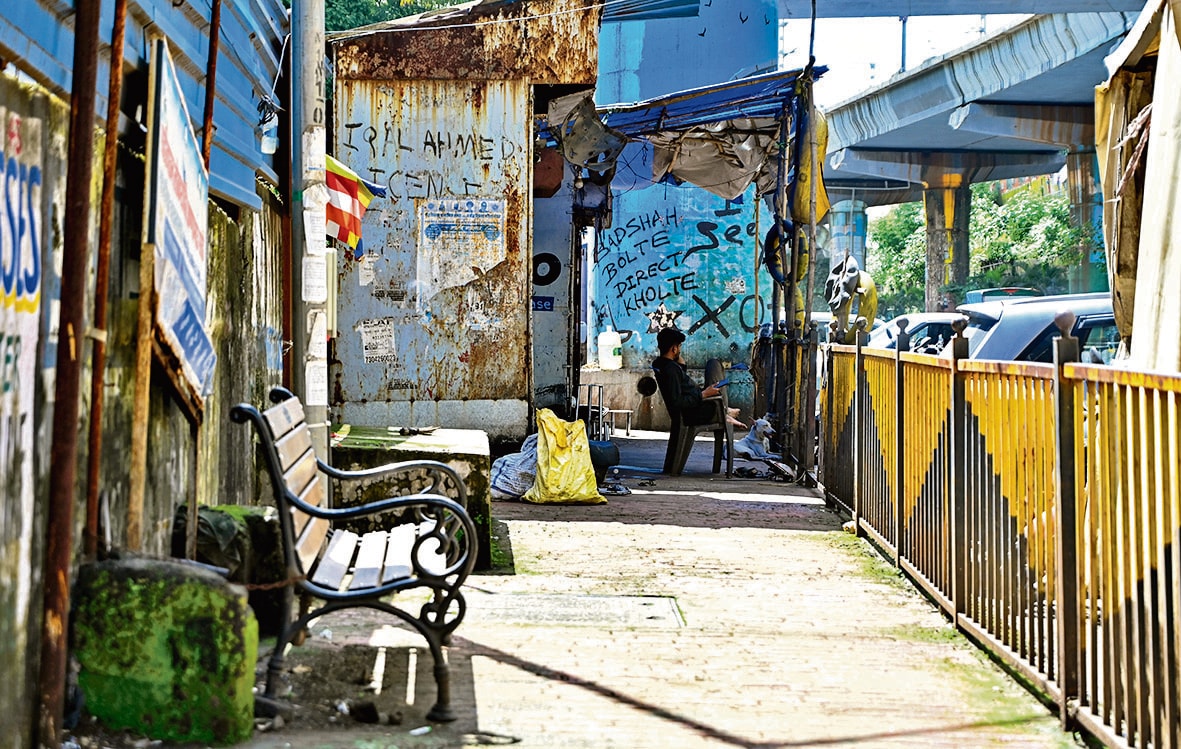
A 20-metre-long stretch of the four-metre-wide footpath had only 1.4 metres of usable space. The footpath along the walls of Sarvodaya Anant School was encroached upon by garages and a Chinese food shop. contacted the school to ask whether it had complained about the stalls and whether they were causing problems, but the school declined to comment.
Marol Naka
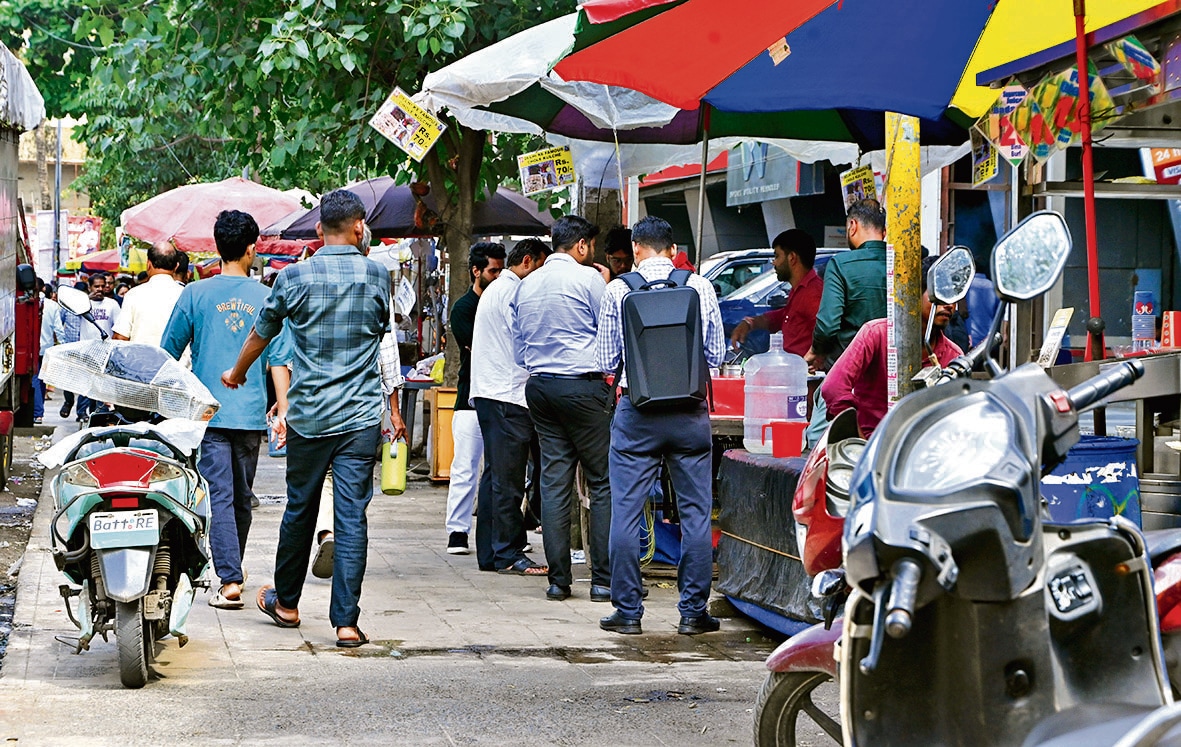
A 70-metre-long footpath was almost entirely encroached upon by food stalls. Although it measured 5.3 metres in width, only 1.6 metres remained usable. The problem was compounded by two-wheelers parked on the footpath. counted about 15 stalls along the stretch.
Catch every big hit, every wicket with Crickit, a one stop destination for Live Scores, Match Stats, Infographics & much more. Explore now!
Stay updated with all the Breaking News and Latest News from Mumbai. Click here for comprehensive coverage of top Cities including Bengaluru, Delhi, Hyderabad, and more across India along with Stay informed on the latest happenings in World News.
See Less




Leave a Reply