Mumbai Water Metro Faces Unique Challenges As 340-Km Network Plans Navigate Tidal Creeks, Harbour Waters And Open Sea
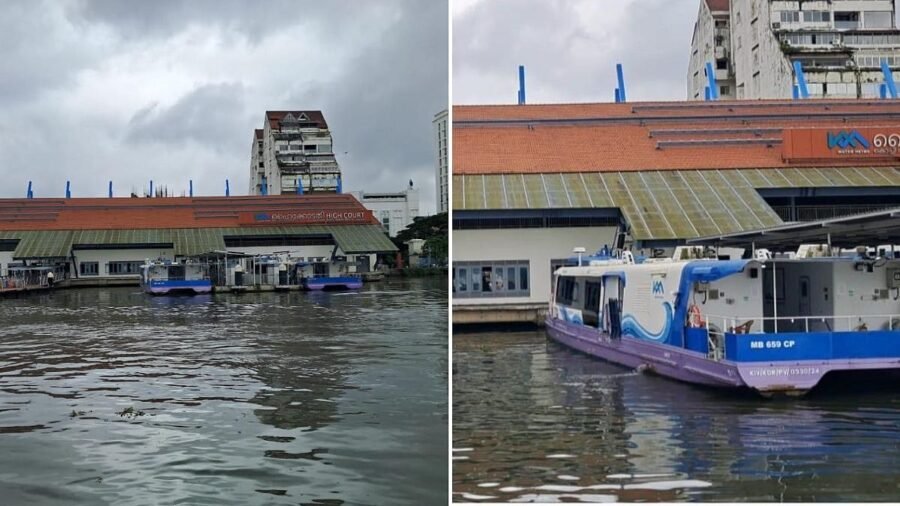
Mumbai’s proposed ₹6,066-crore Water Metro will need a different approach from Kochi’s system due to its mix of tidal creeks, harbour waters, rivers and open-sea stretches. KMRL officials said the 340-km network with 33 routes and 44 terminals will require route-wise studies on depth, tides, monsoon conditions and infrastructure before operations begin across Maharashtra.
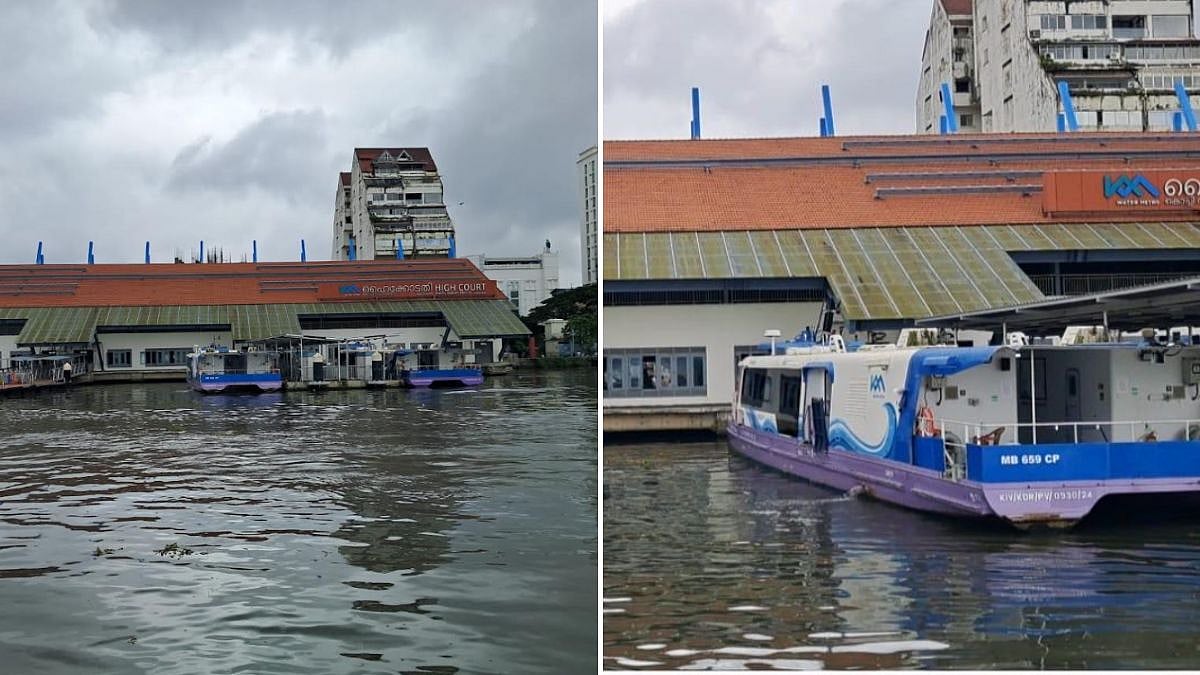
Mumbai Water Metro Faces Unique Challenges As 340-Km Network Plans Navigate Tidal Creeks, Harbour Waters And Open Sea |
Mumbai’s proposed Water Metro will face a test that Kochi never did: taking water-based mass transit across a mix of tidal creeks, harbour waters, rivers and open-sea stretches. With Maharashtra planning a Rs 6,066-crore, 340-km network, experts behind Kochi’s successful Water Metro say the Kerala model cannot simply be replicated in Mumbai.
Kochi Experts Explain Differences
This emerged during The ’s visit to Kochi Water Metro, where Dr M.P. Ram Navas, Director (Projects), Kochi Metro Rail Limited (KMRL), and Shaji P. Janardhanan, Chief General Manager, Kochi Water Metro, explained the system’s technical and operational framework.
KMRL has been involved in Maharashtra’s project from the planning stage, first conducting a feasibility study and subsequently preparing the Detailed Project Report (DPR) for Mumbai Water Metro.
`;
340-Km Network Across Mumbai Region
The Maharashtra proposal envisages a 340-km network comprising 33 routes, 44 terminals and around 203 electric or hybrid vessels, covering Mumbai, Navi Mumbai, Thane, Kalyan, Vasai and Mira-Bhayandar.
However, Mumbai presents a very different operating environment. Kochi Water Metro largely operates through relatively sheltered backwaters, while Mumbai’s proposed corridors will encounter tidal creeks, harbour waters, rivers and potentially open-sea stretches.
Tidal Waters Pose Technical Challenges
As a result, navigational depth, tidal variation, siltation, underwater rock formations, bridge clearances, monsoon conditions and environmental restrictions will have to be assessed route-wise.
The issue will be particularly important for proposed connectivity towards Thane and Kalyan and the wider Ulhas River belt. While Kalyan is included in the broader geographical footprint, a commercially viable Ulhas River service would depend on water depth, river morphology, underwater obstructions, seasonal variations, environmental clearances and terminal locations.
Electric Fleet Needs Infrastructure
Kochi’s biggest lesson is that a Water Metro is not simply a ferry service with electric boats. Its vessels, terminals, ticketing, passenger information systems, communication network and centralised Operation Control Centre function as an integrated public transport system.
Its floating pontoons, which adjust to changing water levels, also provide easier boarding between boats and terminals. Such infrastructure could be particularly relevant to Mumbai because of its substantial tidal variations and would improve accessibility for senior citizens and persons with disabilities.
Kochi currently operates battery-powered vessels through its network of terminals, with electric-hybrid catamarans built by Cochin Shipyard. Maharashtra’s proposed fleet of 203 electric or hybrid vessels could similarly create demand for charging facilities, maintenance and maritime manufacturing.
But the biggest test will be whether Mumbai’s Water Metro becomes a daily commuter system rather than another ferry service. Its success will depend on travel time, frequency, fares and seamless last-mile connectivity with suburban rail, Metro and buses.
To get details on exclusive and budget-friendly property deals in Mumbai & surrounding regions, do visit: https://budgetproperties.in/

Add As a
Trusted Source 



Leave a Reply