Mumbai H1N1 Cases Surge 511 Per Cent To 507; Malaria Rises 39 Pc To 8,723, BMC Data Shows
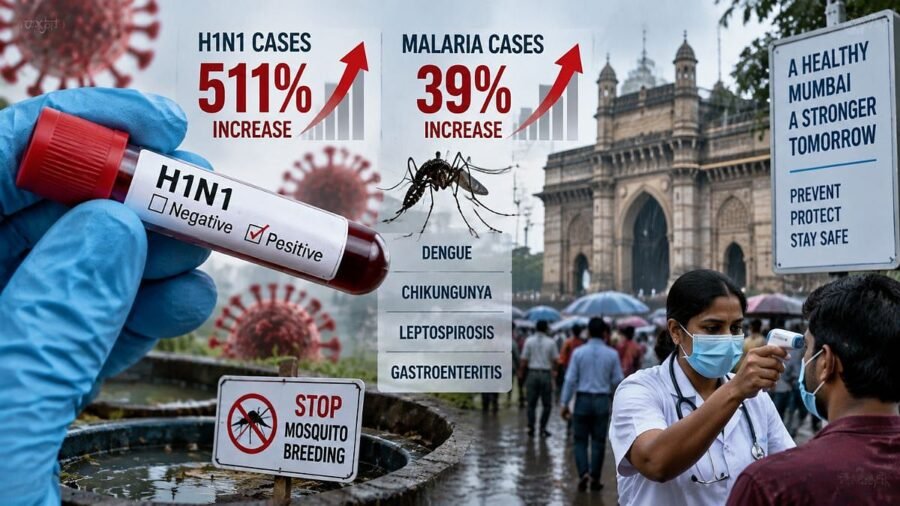
Mumbai recorded a 511% rise in H1N1 cases to 507 and a 39% increase in malaria cases to 8,723 between January 1 and September 15, according to BMC data. Dengue, chikungunya, leptospirosis and gastroenteritis cases declined. The civic body has intensified surveillance and mosquito-control measures.
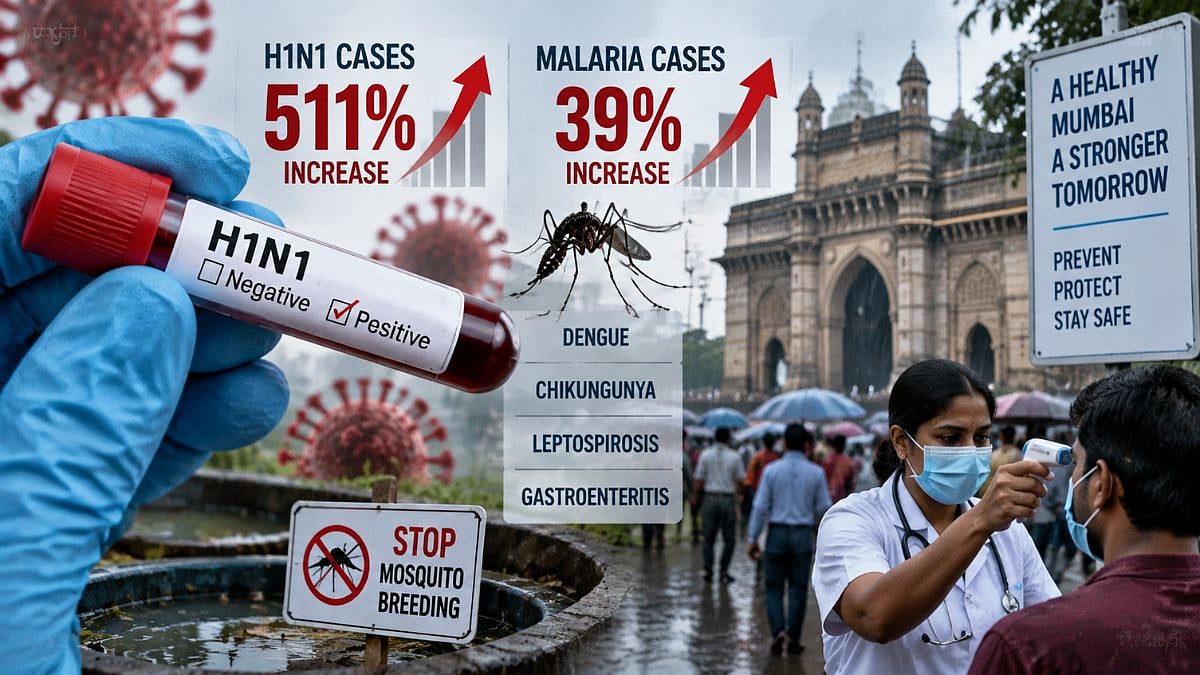
Mumbai’s civic health teams have stepped up disease surveillance and mosquito-control measures amid rising monsoon infections | AI Generated Representational Image
Mumbai, September 18: Amid the festive spirit of Ganeshotsav, infectious disease figures in Mumbai are posing a fresh challenge to the health system.
Mumbai is witnessing a sharp rise in H1N1 infections this monsoon, with cases jumping more than sixfold to 507 by September 15 from just 83 during the corresponding period last year — a 511% increase. Malaria has also emerged as a growing concern, with cases rising 39% to 8,723 from 6,277, according to BMC Public Health Department data.
The data for January 1 to September 15 shows that H1N1 has recorded the highest percentage increase among the major monsoon-related diseases monitored by the civic body. The number of cases increased by 424 compared with the corresponding period last year.
Malaria cases increased by 2,446, from 6,277 in 2025 to 8,723 this year. Recent BMC ward-wise surveillance has shown higher malaria numbers in E Ward, covering Byculla, Madanpura and Mazgaon; K-West Ward, covering Andheri West, Nehru Nagar and Amboli; G-South Ward, including Worli and BDD Chawl; F-South Ward, covering Parel, Bhoiwada and Sewri; and H-West Ward, including Hill Road, Turner Road and Perry Cross Road.
`;
Dengue Cases Dip Marginally
Dengue cases, however, have marginally declined citywide, from 2,724 to 2,656, a fall of around 2.5%. Ward-wise surveillance had identified D Ward, covering Malabar Hill, Walkeshwar, Cumballa Hill, Tardeo, Grant Road and Girgaon, among the areas reporting dengue cases, along with C, E and B wards.
Chikungunya cases have fallen sharply from 542 to 80, while leptospirosis declined from 558 to 390. Gastroenteritis cases also dropped from 5,989 to 4,997.
Hospitals On Alert
The BMC has stated that municipal hospitals have reserved beds, ventilators, PPE kits and adequate stocks of medicines for H1N1 patients.
Meanwhile, the civic body has intensified mosquito-control measures. Between September 1 and 15, civic teams surveyed 5,94,269 houses covering 27,93,193 people and collected 32,114 blood samples. As many as 28 health camps were conducted, while 9,842 citizens were given preventive treatment for leptospirosis.
Mosquito Control Intensified
For malaria control, civic teams inspected 21,655 potential breeding sites, including wells, water tanks and swimming pools. Anopheles mosquito breeding was detected at 3,367 sites.
For dengue control, 4,68,993 potential breeding sites were inspected, with Aedes mosquito breeding detected at 11,776 locations. Civic teams also removed 661 tyres and 22,344 scrap articles from rooftops and premises.
Also Watch:
Meanwhile, the BMC has appealed to citizens to ensure that there is no stagnant water in or around their homes, as it can become a breeding ground for mosquitoes.
Citizens experiencing fever have been advised to avoid self-medication and promptly approach the nearest municipal health centre, Aapla Dawakhana or BMC hospital.
To get details on exclusive and budget-friendly property deals in Mumbai & surrounding regions, do visit: https://budgetproperties.in/

Add As a
Trusted Source 

MMRDA Imposes ₹6 Crore Penalty After 2 Workers Die At Bhakti Park Metro 4 Construction Site
By Sohail Khan · 18 Sep


Leave a Reply