Mortgage rates near 6.7%: Why homeowners are refusing to give up cheap 3% loans
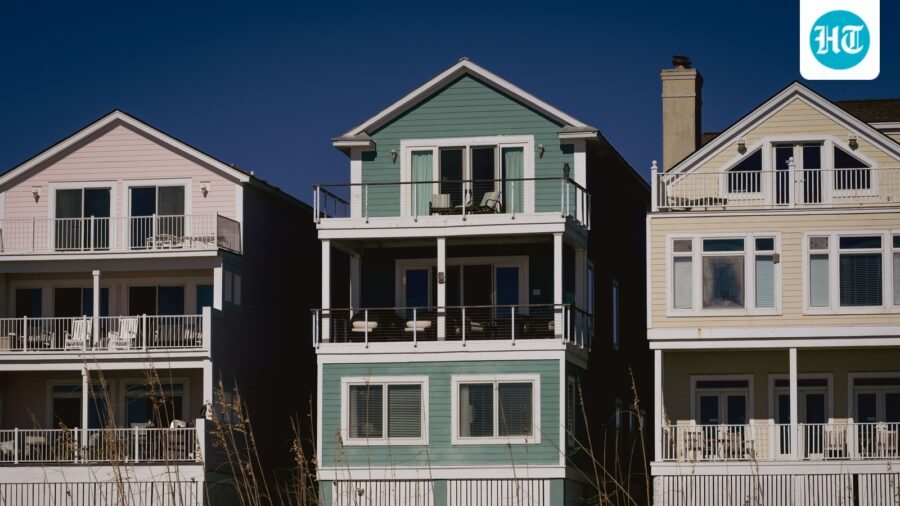
US mortgage rates near 6.7% are keeping homeowners locked into cheap 3% loans, hurting home sales and delaying the US housing market recovery.
Updated on: Sep 1, 2026, 22:06:30 IST
Prefer HTon Google
Share via
Copy link
US homeowners are staying put as mortgage rates remain near 6.7%. The chances of Americans moving to a new home in the next 12 months have fallen to a record-low 13.5%, according to data highlighted by Apollo’s latest US housing outlook. High mortgage rates are making homeowners think twice about selling their current homes.
The biggest reason is the huge gap between old and new mortgage rates. About half of all outstanding US mortgages have rates below 4%, while around two-thirds are below 5%, according to Apollo. A new 30-year mortgage now costs close to 6.7%.
Cheap mortgage rates keep homeowners from moving
For many homeowners, moving would mean giving up a very cheap mortgage. Someone who locked in a 3% mortgage during the low-rate period would have to take a loan closer to 7% if they buy another home today. That makes moving much more expensive, even if they want a bigger or better home.
This mortgage “lock-in” effect has already reduced how much homeowners move. Federal Reserve researchers previously estimated that the mortgage rate lock-in effect explained 44% of the decline in mobility among mortgage borrowers between 2021 and 2022.
US home sales remain weak
The weak housing market shows how strongly homeowners are holding on to their properties. Existing-home sales were running at an annualized rate of 4.06 million in July, about 1.2 million below the pre-pandemic average.
There are also far fewer buyers looking for homes. Redfin estimated that the number of active US homebuyers had fallen to a record-low 967,000. Sellers now outnumber buyers by nearly 500,000, showing how weak housing activity has become.
Fed rate hike adds to mortgage worries
There is little hope for quick mortgage-rate relief either. Prediction-market traders on Polymarket are putting about a 56% chance of the Federal Reserve raising interest rates by 25 basis points at its September 16 meeting. That is up from around 30% before Fed Chair Kevin Warsh’s Jackson Hole speech.
That matters because higher interest rates can keep borrowing costs elevated. Instead of giving homeowners a reason to sell and move, the current rate environment is encouraging people with cheap mortgages to stay where they are.
Home Depot feels housing slowdown
Home Depot is feeling the impact of this housing freeze. The company benefits when people buy and sell homes because moving often leads to spending on paint, flooring, appliances and renovation projects. Home Depot has still managed to perform well despite the weak housing market. Its second-quarter sales increased 5.7% to $47.9 billion, while adjusted earnings rose 5.1%.
But customers are still being cautious. Home Depot's customer transactions fell 1% in the quarter, while management said housing affordability continues to hurt spending on large, discretionary home-improvement projects.
Home Depot waits for housing recovery
Home Depot CFO Richard McPhail said the housing market has been unusually frozen. He said housing turnover has “never been lower as a percentage of the housing stock” and has remained depressed for four years.
Home Depot is waiting for lower rates to bring homeowners back into the market. McPhail said the company sees “a little bit of life” when mortgage rates fall, but added that there is “just no sign of an inflection point at this moment.”
Treasury yields keep mortgage rates high
The bond market is also giving homeowners little reason to expect cheaper mortgages soon. The 10-year US Treasury yield, which strongly influences mortgage rates, has climbed to its highest level since Donald Trump returned to office.
Mortgage rates are not the only reason Americans are moving less. Apollo’s data shows that US mobility had already been declining before mortgage rates surged. Renters are also moving less, meaning the slowdown in mobility is broader than just the mortgage lock-in effect. But cheap mortgages make the decision especially difficult for existing homeowners. Someone paying around 3% has a strong financial reason to stay rather than sell their home and take on a new mortgage at nearly 7%.
Mortgage lock-in may continue
The conditions needed to break this mortgage lock may be moving further away. Polymarket traders are increasingly betting on more Fed tightening, while economists have warned that attempts to push long-term Treasury yields lower may not work.
Citi economist Nathan Sheets has also raised concerns about the US government's finances. He described the country's fiscal position as “absolutely out of control,” adding to concerns about long-term Treasury yields. For now, the US housing market remains stuck between cheap old mortgages and expensive new ones. Millions of homeowners have loans they do not want to give up, while potential buyers face mortgage rates close to 6.7%.
That means the housing recovery could remain delayed. Homeowners are reluctant to sell, buyers are fewer, and companies such as Home Depot are waiting for more housing turnover. For Home Depot, the housing recovery it has already waited four years for may still be out of reach
See Less

US jobless claims below 200,000 for 3rd week as layoffs fall: Will Fed raise rates?
By Sohail Khan · 2 Oct
Israeli settlers kill Palestinian in West Bank, officials say
By Sohail Khan · 2 Oct