Ladakh firing: Sonam Wangchuk demands inquiry report, cases withdrawal
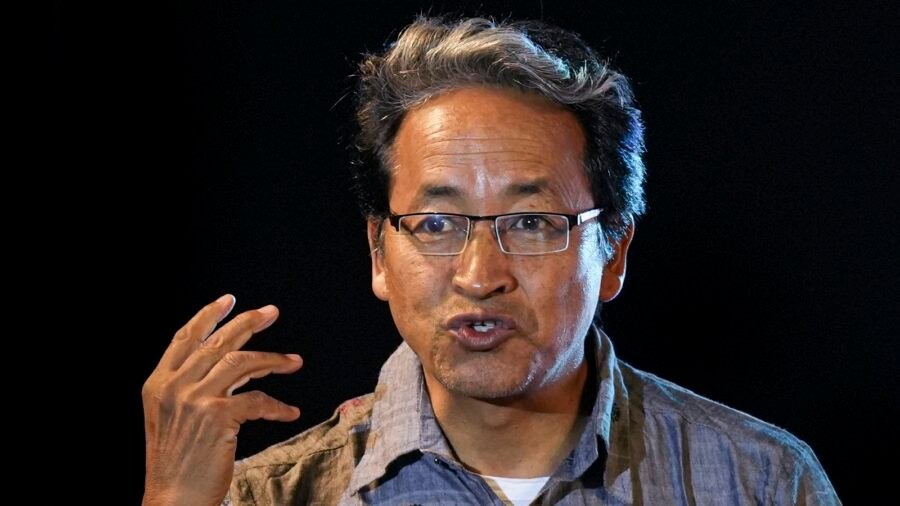
A year after four people were killed in police firing during protests in Ladakh, climate activist Sonam Wangchuk Sunday demanded the release of the report of the judicial inquiry into the violence, higher compensation for the victims’ families and withdrawal of criminal cases against those who, he said, were not involved in the violence.
In a statement marking one year since the September 24, 2025, violence, Wangchuk said the families of those killed were still waiting for answers and questioned the delay in releasing the report of the judicial inquiry headed by former Supreme Court judge Justice B S Chauhan.
The government constituted the inquiry after the violence to examine the events of September 24. “Almost a year later, Ladakh is still waiting for its findings,” Wangchuk said, asking who ordered the firing, whether due procedures for crowd control had been exhausted before live ammunition was used and whether the deaths could have been avoided.
Story continues below.
Subscribe to see fewer ads.
Four people were killed in police firing during the protests, while Wangchuk’s statement said another person died by suicide and scores were injured. It also said several people were arrested and charged with serious offences.
Wangchuk also criticised the compensation of Rs 15 lakh announced by the Ladakh administration for the next of kin of each of the four people killed. While acknowledging that no monetary compensation could make up for the loss of a life, he said the amount was inadequate and demanded that compensation be raised to a “respectable and dignified amount”. He also sought compensation proportionate to the suffering of those who suffered serious or lasting injuries.
Wangchuk questions his detention
The activist also raised questions about his detention under the National Security Act following the protests. Wangchuk was detained on September 26, 2025, and sent to Jodhpur Central Jail, where he said he remained for nearly six months. His detention order was revoked on March 14, 2026, while it was being challenged before the Supreme Court.
“If I really was such a danger to national security or public order that I had to be taken away from Ladakh and kept under the NSA, then why am I free today?” Wangchuk asked, saying that if he was not such a danger, there should be accountability for the six months he spent in detention.
Story continues below this ad
Wangchuk further questioned the continued prosecution of people arrested following the violence. According to his statement, 87 people were identified as accused and 81 arrested and subjected to criminal proceedings. The administration has approved withdrawal of cases against 20 people, he said, but asked what would happen to the remaining cases.
He said that while those against whom there was credible evidence of violence should face the law, the cases against those who were merely present at the protests or had attempted to calm the situation should be reviewed.
Wangchuk also broadened his criticism to the criminal justice system, arguing that his experience in Jodhpur jail had made him reflect on the plight of undertrials across the country. He called for reforms concerning undertrial detention, accountability in investigation and prosecution, compensation for wrongful deprivation of liberty and safeguards against the misuse of extraordinary laws.
“A democracy should never be afraid of questions,” Wangchuk said, concluding that his demands were not for revenge but for “truth”, “justice” and “accountability”, along with reforms to prevent a recurrence of what happened in Ladakh.
CEC Gyanesh Kumar postpones 2-day Chhattisgarh visit
By Sohail Khan · 7 Oct
Rahul, Priyanka Gandhi detained after hours-long anti-CEC protest, released later
By Sohail Khan · 6 Oct
4.9 Magnitude earthquake hits Uttarakhand, tremors felt in Delhi-NCR
By Sohail Khan · 6 Oct
Leave a Reply