Inside Track: Outsiders Unwelcome
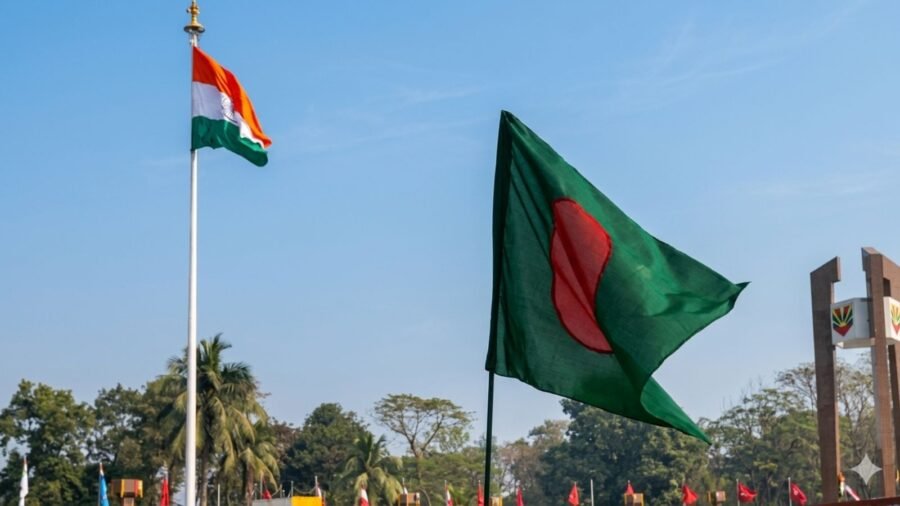
Diplomatic insiders in both Delhi and Bangladesh see a powerful lobby in the external affairs ministry playing a part in thwarting efforts to bring about a rapprochement in Indo-Bangladesh ties. The MEA is perhaps upset over Modi’s appointment of a non-IFS officer, politician Dinesh Trivedi, as India’s High Commissioner to Bangladesh. In a meeting with Indian envoys earlier this year, Modi hinted at more non-IFS ambassadorial appointments in our neighbourhood. Trivedi’s efforts at bridging the growing gulf between the neighbours, even persuading Bangladesh PM Tarique Rahman to agree to dates for a visit to India, was not appreciated by all. After the dates leaked, the MEA acted as a spoiler. Ignoring conventional foreign policy protocol, it permitted Sheikh Hasina to hold a virtual press conference at Delhi’s Foreign Correspondents Club, where she attacked her country’s government. (It is pertinent to note that a year ago, the MEA stymied a proposed Hasina press conference at the Delhi Press Club and in 2018, denied permission to a British emissary to speak on behalf of late Khaleda Zia, then jailed in Bangladesh. Belatedly, two weeks after a Hasina press conference, when the FCC tried to organise a foreign policy seminar which had speakers with alleged Awami League links, the government ordered its cancellation and some 50 policemen descended on the club premises!)
Incidentally, the MEA’s non-conciliatory tone is echoed by some former Indian diplomats in articles, suggesting Rahman’s visit was in fact called off because of internal differences within Bangladesh over its foreign policy direction towards India. Embittered feelings on both sides indicate Rahman is unlikely to attend the BRICS summit in Delhi.
Advertisement
Divisions at Home
The Home Ministry is on the backfoot after the police overreach towards CJP student protesters. However, just a month after the much-criticised July police crackdown, Cabinet Secretary Dr T V Somanathan and Home Secretary Govind Mohan, who were both due to retire this month, were given a year’s extension. The extensions are believed to reflect the PM’s appreciation of the two senior officials’ mature decision to refuse to succumb to political pressure that called for more stringent action during the Jantar Mantar agitation. The Home Secretary reportedly helped salvage the situation by halting the firing of pellets, a draconian measure which backfired badly. He was backed by the Cabinet Secretary. The Delhi Police’s harsh methods were adopted within three days of the abrupt transfer of commissioner Satish Golcha, who was replaced by Anurag Kumar, the Intelligence Bureau special director, in the belief that his background would help in dispersing the restive students. In fact, the reverse happened, the confrontation escalated. A fallout of the Jantar Mantar debacle is that officials are increasingly requesting for written ministerial orders.
Unfair Clubbing Together
BJP MPs who decry what they term as Delhi’s Lutyens culture have little sympathy for the government’s eviction notice to the Gymkhana Club. They think club culture is perpetrated to make those excluded feel like lesser mortals. A minister recalls when he came to Delhi years ago as a visitor in connection with a case in the Supreme Court, he was taken by his lawyer to the India International Centre for tea. He was made to feel like an outsider and suspected it was because he did not speak in English. His prejudice against the IIC may be misconceived, and the comparison unfair. The IIC membership criteria is based on a prospective candidate’s professional accomplishments and an interest in foreign affairs, while the complaint against the Gymkhana is its entrenched hereditary membership and elitism.
Non-Parsis’ Exclusion
There was an interesting subplot in the tussle for control of the Tata empire. Some months ago, when then trustee Mehli Mistry raised the issue of the 1923 deed of the Bai Hirabai Tata Charitable Foundation, which stipulates that all trustees should be Parsis, the assumption was that he was merely targeting the two non-Parsi trustees, Venu Srinivasan and Vijay Singh. But some Parsis suspected he might also be hinting at Noel Tata. As Naval Tata’s son, Noel’s Parsi credentials should be impeccable, but a few old-timers quibbled that Noel’s late mother, nee Simone Dunoyer, was a Christian. They could not recall a young Noel’s navjote ceremony, the initiation rite for being inducted into the faith. In fact, there is no ambiguity about Noel’s standing as a Parsi. Before his marriage to tycoon Shapoorji Pallonji Mistry’s daughter, Aloo, the conservative and deeply religious Shapoorji insisted that his prospective son-in-law go through the navjote ritual before the wedding.

Good foundation: on India’s strong industrial growth performance
By Sohail Khan · 1 Oct
Bitter pills: on Court’s intervention, drug pricing
By Sohail Khan · 1 Oct
Household debt, financing today against tomorrow
By Sohail Khan · 1 Oct