India’s Homegrown Cheesemakers Are Taking Artisanal Cheese Global
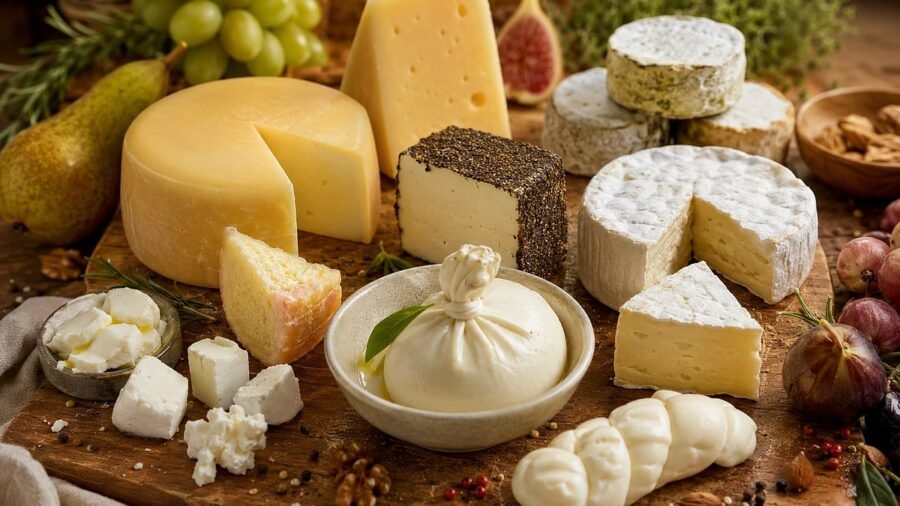
From Bandel to burrata, Indian cheesemakers are crafting artisanal varieties that are winning global recognition and winning over curious consumers
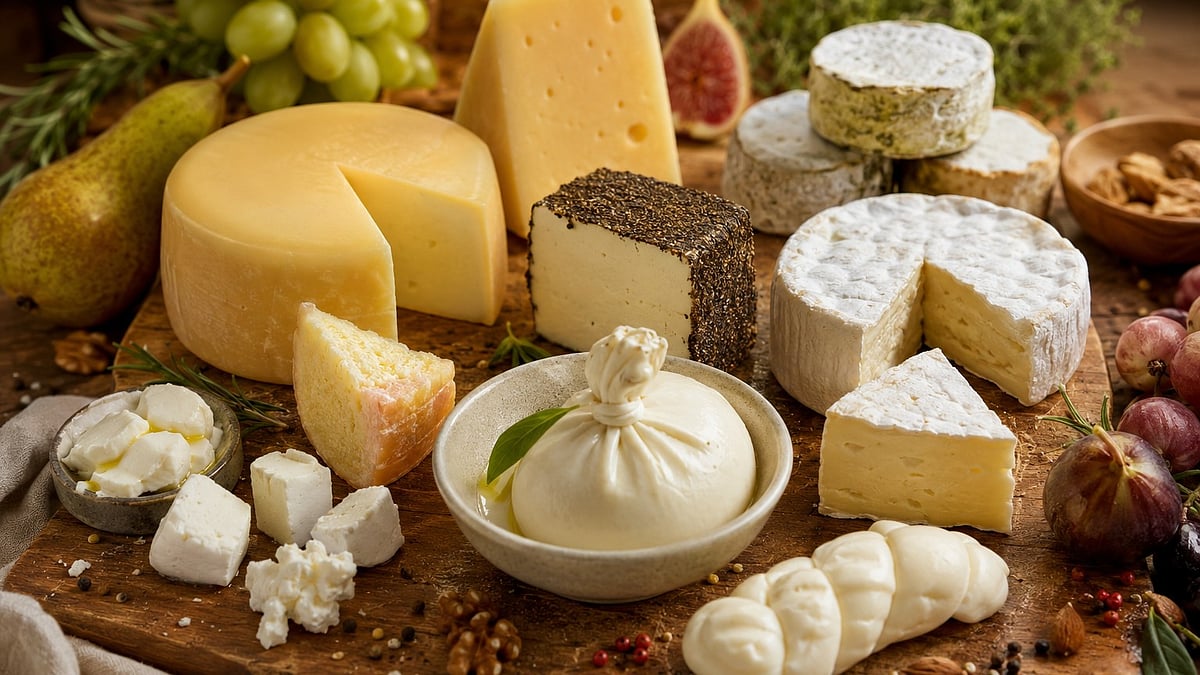
India's cheesemakers secured a Super Gold, two gold medals and a silver accolade at the fourth edition of the prestigious 2026 Brazilian World Cheese Championship, putting the spotlight on artisanal cheese.
Being arty
Did you know that India now produces a variety of artisanal cheeses like Bandel, Kalari, Chhurpi, Brie & Camembert, and Stracciatella, as well as goat and sheep milk cheeses infused with regional herbs? Well, that's not all. Artisanal cheese makers in India are mastering chèvre, pecorino, and Manchego, as well as experimenting with Belper Knolle (Swiss hard cheese rolled in black pepper) and Alpine-style Gruyères, all made in India. Haresh Mirpuri, Founder, Barnhouse at Essensai067 & Managing Director, Sai Lakshmi Industries Pvt. Ltd. Says, “We source our Mozzarella Fior di Latte, Burrata, Salted Ricotta and Bocconcini fresh from Puttaparthi, handcrafted using traditional Italian techniques and local milk. This freshness is at the heart of Barnhouse's philosophy of prana, the life force in every ingredient, honouring cheese at its most vibrant, living state before it settles into anything less. Our Bomba Calabria and Pasta all'Amatriciana are finished with aged Parmesan for its nutty, umami depth that balances the heat of Calabrian chilli and the acidity of the tomato sugo, while the Pepperoni Ripieni is stuffed with salted ricotta and bocconcini, their milky, delicate creaminess softening the roasted peppers and letting the seasonal vegetables shine, a true expression of Prana on the plate.”
The back story
`;
Likewise, even conscientious homemakers are choosing this kind of cheese for their families. “After my son was born, I started researching about cheese and completely stopped using processed cheese. I discovered artisanal cheese as a great option, and even though they are priced higher, I use them for their quality and taste,” says Rashi Kumar, a homemaker from Mumbai. The biggest drivers of this trend have been accessibility, exposure, and a growing interest in local produce. Travel, social media, food shows, restaurants, and a growing number of producers have expanded awareness. Consumers and chefs are increasingly interested in understanding where food comes from and who makes it, creating greater demand for artisanal cheese. Namrata, co-founder of Käse, says, “Our approach is rooted in traditional cheesemaking and fermentation, where microbes naturally transform milk into a more flavourful, digestible, and nutrient-rich food. We work with indigenous milk breeds and focus on quality rather than volume. As we grow, we remain committed to a decentralised model that supports communities and artisanal producers rather than industrial-scale production.”
Quality cues
Producing high-quality cheese in tropical conditions presents unique challenges that are very different from those faced in traditional European cheesemaking regions. Success begins with milk quality. “We work closely with local farmers and have established rapid milk cooling systems in villages within a 25-kilometre radius of our factory to preserve freshness. We also maintain strict antibiotic-monitoring protocols. In fact, we work with local veterinarians to ensure that milk from recently treated animals is not collected until it is safe for processing,” says Hari Shanker, Managing Director, Kodai Dairy Products Pvt. Ltd. (Kodai Cheese). While India may not have the traditional cheese terroir associated with Europe, Indian cheesemakers are developing their own identity by adapting production methods to local climates, milk quality conditions, and farming systems.
Demand drivers
There has been an increased awareness that has driven the growth of artisanal cheeses. Many cheeses are used in many luxury hotels and resorts. Most customers now want traceability of what they consume; chefs are moving towards buying more local and seasonal rather than imported products, and consumers are looking for healthier alternatives which are natural and unlike processed cheeses which are packed with sodium and emulsifiers. Prateeksh Mehra, Founder, The Spotted Cow Fromagerie, explains, “There are quite a few factors that contribute to making our cheeses artisanal, mainly working with single-source farms with high-quality milk. Cheeses are not standardised, and so we alter the recipe as the season and milk change, which creates a slight variation in the cheeses, which is what truly makes them artisanal. The process is traditional, and no shortcuts are used. Cheeses are made in batches so we can control the quality, and even maturation is carefully controlled and monitored.”
Trend check
Mozzarella, cream cheese, cheddar, and processed cheese continue to dominate overall demand because they are familiar and widely used in everyday cooking and food service. “At the same time, consumers are becoming increasingly curious about speciality cheeses. We are seeing growing interest in burrata, feta, halloumi, mascarpone, ricotta, and other fresh cheeses, especially among younger consumers and food enthusiasts. The market is still developing, but awareness and experimentation are growing steadily,” says Pranav Patel, Founder, CASARO Cheesemakers Deli, Mumbai. They also focus on creating dishes that stay close to their authentic roots while being bold and flavourful enough to appeal to Indian palates. When people enjoy a great burrata, mozzarella, ricotta, or cream cheese dish, they naturally become curious about the cheese itself. “We have found that creating memorable food experiences is often the most effective way to build appreciation for artisanal cheese,” adds Patel.
Local love
Local ingredients, indigenous milk breeds, and regional terroir are influencing the development of artisanal Indian cheeses. “This is where it gets genuinely exciting for me. Assam's open-grazing cows produce milk with a fat and protein profile shaped by the biodiversity of the Brahmaputra basin. The opportunity I see, and the one I'm positioned to pursue, is what happens when you take that same seriousness about craft and anchor it in a region like Assam, where the raw material is genuinely exceptional but has never been the source of a recognised cheese identity. The question isn't whether artisan cheese has a future in India — it clearly does. The question is whether we build enough regional diversity within it, or whether it stays concentrated in a handful of cities. I'm betting on the former,” says Abhilasha Singh, Founder, Queso.
Looking ahead
Imported cheeses will continue to have a presence in India, but domestic artisanal producers have a significant opportunity. Indian milk production costs remain relatively high, which means local producers must compete primarily on quality rather than price. However, growing demand for premium cheese provides substantial room for innovation and market expansion. As consumers evolve and become more knowledgeable and more willing to experiment with speciality cheeses, they will be more supportive of high-quality Indian-made cheese products. Bon appetite!

Add As a
Trusted Source 


Fake Florida doctor dupes retired teacher of ₹70K, she loses ₹14L in refund bid
By Sohail Khan · 6 Sep
Happy Birthday Rakesh Roshan: Interesting Facts To Know About The Director
By Sohail Khan · 6 Sep
Leave a Reply