Indian startup TakeMe2Space to launch orbital computing satellite on SpaceX rocket
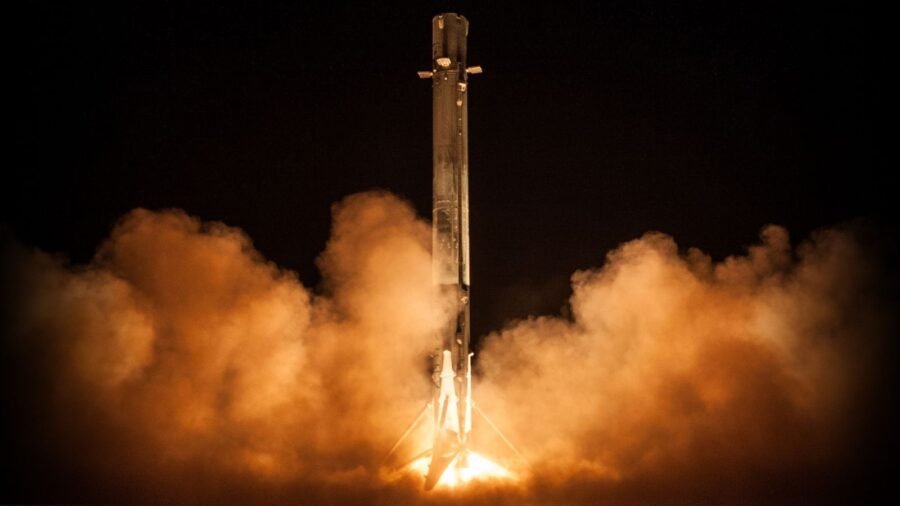
Indian space startup TakeMe2Space plans to launch what it describes as the country’s first orbital computing satellite aboard a SpaceX rocket on October 1, seeking to process data in orbit rather than transmit raw information back to Earth.
The company’s MOI-1A spacecraft, a sub-50 kg satellite carrying Nvidia Orin NX edge-computing processors, is scheduled to fly on SpaceX’s Transporter-18 rideshare mission.
TakeMe2Space said on Monday it has signed 23 customers for the mission, including geographic information system companies and educational institutions.
Story continues below.
Subscribe to see fewer ads.
Commercial users span agriculture, mining, supply-chain management and insurance, Founder and CEO Ronak Samantray told Reuters. US-based space data analytics firm Little Place Labs is among its customers.
Customers will be able to upload containerized AI models to the satellite, which can process data as it passes over a specified area and transmit the analysis to Earth, rather than the full underlying dataset, Samantray said.
“The customer who sees value in our first-generation satellites is the one paying to download a lot of raw data and then do the compute,” Samantray said. “The reduction in the cost of not downloading it offsets the premium they pay for compute in orbit.”
The spacecraft is an onboard edge-computing satellite rather than a conventional data center. It has about 150 watts of power, Samantray said. In contrast, companies like SpaceX and Starcloud plan to use more advanced Nvidia chips that are used in terrestrial data centres.
Story continues below this ad
TakeMe2Space’s longer-term plan is to build larger, networked satellites capable of serving multiple customers.
The startup’s earlier technology-demonstration mission in late 2024 validated its ability to upload applications, perform AI inference in orbit and download results. A subsequent satellite, MOI-1, was lost after a launch-vehicle third-stage failure.
TakeMe2Space also aims to offer cold storage in orbit for critical data, targeting financial-services and defence customers seeking an additional backup location beyond terrestrial cloud providers.
The company said it designs and manufactures most satellite subsystems in India, while sourcing chips, solar cells and propulsion systems externally. It plans larger satellites beginning in 2027, with the goal of increasing computing capacity and reducing costs.

As AI accelerates, governments are increasingly being left behind
By Sohail Khan · 28 Sep
US govt sites as targets, evading CAPTCHAs: What OpenAI’s runaway agents got up to
By Sohail Khan · 27 Sep
HP OmniPad 12 review: A promising comeback that needs more polish
By Sohail Khan · 27 Sep
Leave a Reply