Indian Food Decoded: You call it a healthy snack, but is it really? Nutritionist breaks down popular Indian favourites
Indian Food Decoded: You call it a healthy snack, but is it really? Nutritionist breaks down popular Indian favouritesUpdated on: Sep 12, 2026, 20:14:46 IST
Prefer HTon Google
Share via
Copy link
Your favourite Indian snack may not be as healthy as you think. Here’s what a nutritionist wants you to know before you pick that one snack from the rack.
Walk into a supermarket today, and you’ll be spoilt for choice when it comes to “healthy” snacks. Millet chips, ragi cookies, jowar puffs, protein bars, seed crackers, beetroot chips, spinach chips, baked namkeen, roasted makhana and quinoa snacks — the options seem endless. But how healthy are these snacks really, and what should you look for before picking one off the shelf? In this edition of Lifestyle’s series, ‘Indian Food Decoded,’ we spoke to Lakshmi Kale, head nutritionist at Nutrition In Sync, to decode what’s actually in some of our favourite “healthy” snacks.
Also read | Indian food decoded: Is your morning poha actually healthy? Here’s what a nutritionist wants you to know
Grain chips
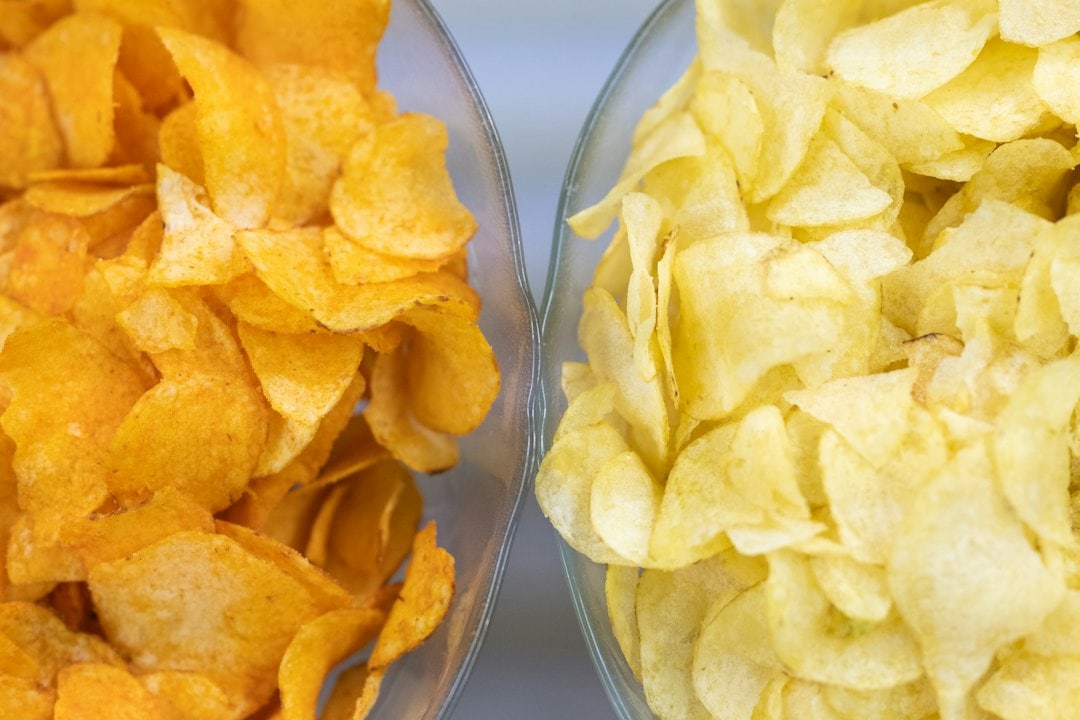
According to Lakshmi, millets are nutritious whole grains, absolutely. But once they are turned into a highly processed chip and combined with starch, oil, salt and flavourings, the fact that there is millet in the recipe doesn’t suddenly make the entire packet a healthy food. The same goes for jowar puffs, ragi snacks and multigrain crackers. The grain used matters, but so does the final product. “A nutritious ingredient can be part of a snack without making the entire snack nutritionally equivalent to the original food,” highlighted Lakshmi.
Vegetable chips
Then there are vegetable chips, which might be the biggest health halo of all. Beetroot chips, carrot chips, okra chips, spinach chips- they look colourful, they sound wholesome, and they make us feel like we’re being virtuous while eating chips.
But let’s be honest, if you are eating a packet of beetroot chips, you are still eating a packaged snack. “It doesn't count as your vegetable serving simply because beetroot was involved somewhere in the process. Depending on how they are made, they can also bring along quite a bit of oil and salt,” explained Lakshmi. The vegetable itself isn't the problem. It’s our assumption that the word vegetable automatically makes the finished product healthy.
Cookies
“The same health halo has now reached cookies. Ragi cookies, oat cookies, almond cookies, millet cookies, protein cookies. We’ve basically taken the humble cookie and given it a nutrition degree. But a cookie is still a cookie,” said Lakshmi. It may be made with better ingredients and have a better nutritional profile than another cookie, but that doesn't mean you can stop thinking of it as a treat or snack.
Energy bars
The same applies to granola and energy bars. Nuts, oats, seeds and dried fruit sound incredibly wholesome, but depending on the formulation, some bars can also contain significant amounts of added sugar, syrups or fats.
Protein snacks
The word is currently capable of making almost anything sound healthy. From protein chips, protein cookies to protein namkeen and protein bars, suddenly, if a packet says “high protein”, we’re willing to overlook everything else. But protein is only one part of the nutritional picture. A product can contain protein and still be high in calories, sodium, saturated fat or added sugar.
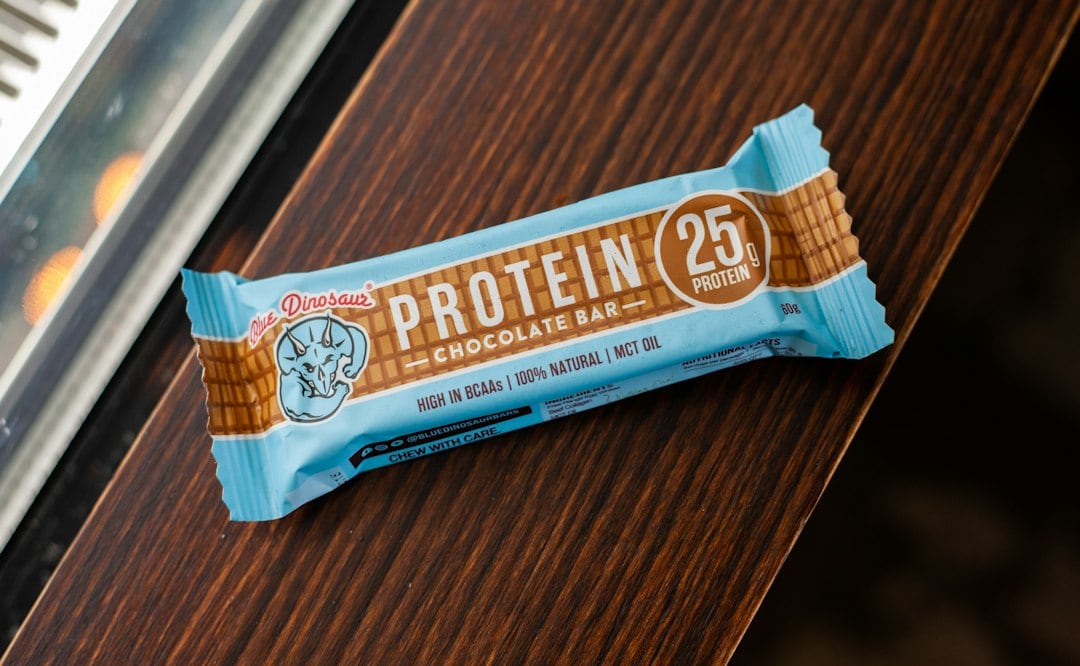
According to Lakshmi, the interesting thing is that “healthy” doesn't actually mean the same thing for everyone. For one person, a protein snack might be genuinely useful because they struggle to meet their protein requirements. For another, fruit and a handful of nuts might be a better everyday snack. Someone else may simply want a convenient snack that tastes good, and that is okay too.
What should you do?
The easiest thing you can do is turn the packet around, look at the ingredient list, look at the protein and fibre, and check the sodium, added sugar and saturated fat. And most importantly, look at the portion size you are actually going to eat, because the serving size on the packet and the serving size in your hand are sometimes two very different things.
Note to readers: This article is for informational purposes only and not a substitute for professional medical advice. Always seek the advice of your doctor with any questions about a medical condition.
Catch every big hit, every wicket with Crick-it, a one stop destination for Live Scores, Match Stats, Quizzes, Polls & much more. Explore now!.
Catch your daily dose of Fashion, Taylor Swift, Health, Festivals, Travel, Relationship, Recipe and all the other Latest Lifestyle News on Website and APPs.
See Less

Leave a Reply