Gallic acid is emerging as a new skincare antioxidant: Know what it does and how to use it
Gallic acid is emerging as a new skincare antioxidant: Know what it does and how to use itPublished on: Sep 6, 2026, 14:45:39 IST
Prefer HTon Google
Share via
Copy link
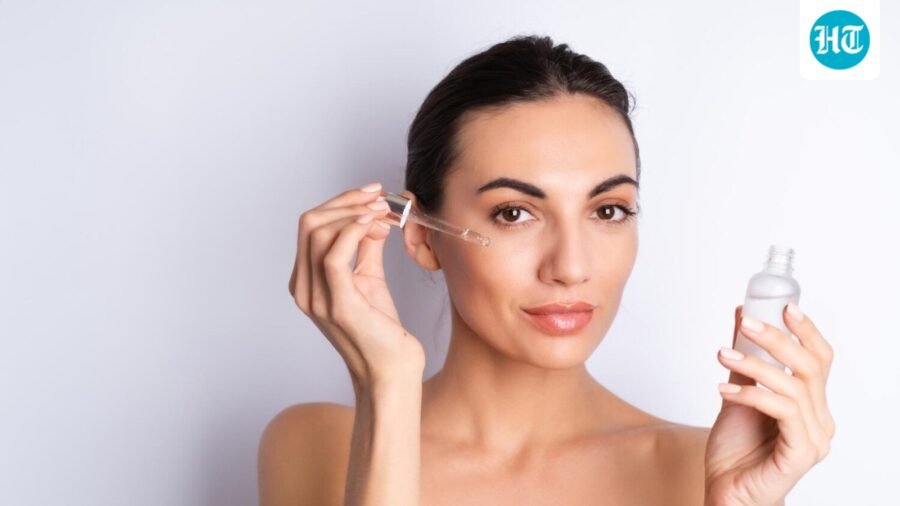
Know what is gallic acid and how can you add it to your routine.
Skincare serves many long-term purposes, from hydration and barrier repair to addressing concerns such as dullness and uneven skin tone. Antioxidant protection for youthful, supple skin is another vital goal that is on everyone's radar. There are numerous products on the market formulated to meet this growing demand.
Gallic acid is now gaining attention as another antioxidant that may help protect the skin from environmental stressors. But what exactly does it do, and does everyone need to add it to their skincare routine?
Two experts weighed in with different perspectives. Dr Akshit Yadav, associate consultant in dermatology at Dharmashila Narayana Superspeciality Hospital, Delhi, explained the potential benefits of gallic acid and how it should be used. Bansri Rajadyne, marketing manager at Galderma India, also discussed how the ingredient is incorporated into skincare formulations.
Who may benefit from gallic acid, and who should be careful?
Gallic acid may sound like another antioxidant to add to a skincare routine for people with dullness and uneven skin tone, according to the dermatologist. But he also warned, “It is not an ingredient that everyone needs, and the formulation matters as much as the ingredient itself."
This means that people with dull-looking skin, pigmentation concerns, or those seeking protection against environmental stressors may benefit from gallic acid. Not everyone needs to add it to their routine simply because it is new or trending. In fact, the doctor urged people with very sensitive, irritated or compromised skin to exercise caution, as introducing multiple active ingredients at once may trigger redness or discomfort.
Where is it found? Dr Yadav said that gallic acid is generally found in serums, creams, and other topical formulations, often alongside other antioxidants or skin-brightening ingredients.
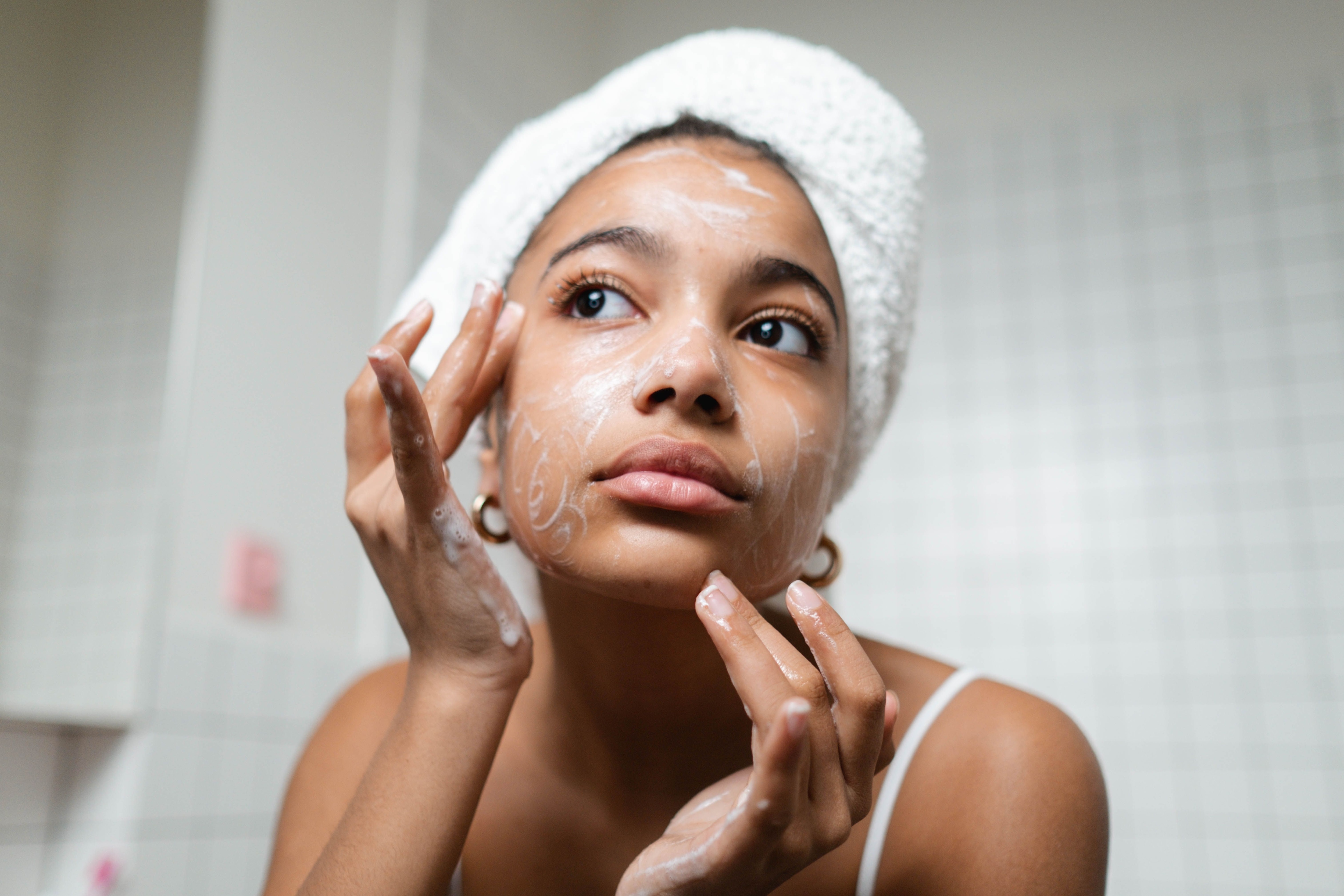
He advised how to add it to your routine: “For beginners, it is recommended to add it gradually rather than making it an overnight skincare staple. It can be introduced after cleansing and before moisturising, with sunscreen remaining essential during the daytime. A patch test is also advisable before regular use.”
Why is gallic acid added to newer formulations?
Bansri Rajadyne described gallic acid as a naturally occurring antioxidant. When applied topically, antioxidants may help neutralise free radicals generated by environmental stressors such as pollution and UV exposure.
With growing demand for antioxidant skincare, she said gallic acid is being positioned as a next-generation ingredient and incorporated into newer formulations.
Further, she noted that the ingredient's benefits have been evaluated using Galderma's internal clinical and formulation data. “The antioxidant properties of gallic acid have been well recognised, making it possible for it to be incorporated in skincare formulations that match the skin’s changing needs.”
She further explained that the skin is regularly exposed to stressors such as pollution, ultraviolet radiation, and blue light. These factors may contribute to oxidative stress, which occurs when there is an imbalance between free radicals and the skin's ability to neutralise them.
“During the day, the priority is defence against environmental stressors, while at night the skin naturally shifts towards renewal and barrier recovery. The AM/PM approach with gallic acid is designed around this rhythm, helping defend the skin during the day and support recovery overnight,” she said.
Note to readers: This article is for informational purposes only and not a substitute for professional medical advice. Always seek the advice of your doctor with any questions about a medical condition.
Catch every big hit, every wicket with Crick-it, a one stop destination for Live Scores, Match Stats, Quizzes, Polls & much more. Explore now!.
Catch your daily dose of Fashion, Taylor Swift, Health, Festivals, Travel, Relationship, Recipe and all the other Latest Lifestyle News on Website and APPs.
See Less

Leave a Reply