Funds awaited, Government showpiece deep-tech initiative hits pause
Advertisement
However, multiple sources told this newspaper that TDB, which is the only agency currently involved in selecting beneficiaries for the Rs 1 lakh-crore Research, Development and Innovation (RDI) Fund, is yet to receive the money needed to extend fresh offers to companies.
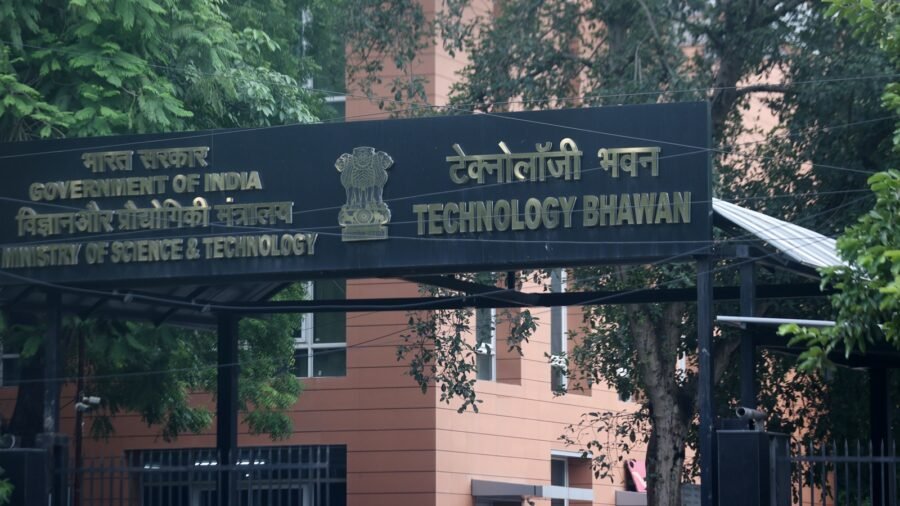
According to rules, the money has to be allotted by the DST, which is the administrative custodian of the RDI Fund. The DST has already been allocated Rs 23,000 crore to fund the programme, including Rs 3,000 crore in last year’s Budget and Rs 20,000 crore this year.
DST Secretary Umesh Waghmare was not available for comment despite multiple requests from , including queries sent to his official email ID.
Advertisement
The TDB received Rs 2,000 crore earlier this year under the Fund, which was exhausted during the first round of selection in April when 22 companies were offered soft loans worth a total of Rs 2,192 crore.
On August 10, reported that 15 of these 22 recipients had investment ties to seven members of the selection committee, raising questions of conflict of interest and propriety — these members said they had recused themselves from the appraisal process of the companies they had links with.
The TDB finalised the next round of selections in August and proceeded with shortlisting more applicants before pausing the process, sources said. The Board has not even been able to issue letters of intent to companies selected in the second round, they said.
More than 300 companies have so far applied to receive funding from this programme. About 100 of them have been appraised and 35 selected — 22 in the first round, and 13 in the second.
In the first round, some of the emerging companies approved included space ventures like Agnikul Cosmos and GalaxEye, quantum start-ups like QuNu Labs, and robotics firms like ideaForge and EndureAir.
The Government created the RDI Fund in November 2025 for companies engaged in frontline research in critical sunrise sectors like quantum, space, robotics and artificial intelligence, including start-ups building their first products. The objective was to help raise money for technologies that have been marked crucial for the growth and strategic independence of the country’s economy.
The Fund promised Rs 1 lakh crore over a six-year period, largely as low-cost long-term loans, and was housed under the Anusandhan National Research Foundation (ANRF), an independent statutory body administratively under DST. It seeks to provide long-term soft loans to private sector research up to 50 per cent of the project cost. The selected company is mandated to mobilise the remaining 50 per cent from non-government sources.
According to rules, eligible companies are to be selected by third-party agencies called Second Level Fund Managers (SLFMs). Initially, two government entities with prior experience in funding private ventures — TDB and Biotechnology Industry Research Assistance Council (BIRAC) under the Department of Biotechnology — were nominated as SLFMs. About 30-40 other entities from the private sector were also expected to be appointed as SLFMs, considering the large corpus of money to be utilised.
However, nearly a year since the launch of the Fund, only the Rs 2,192 crore committed to companies selected by TDB in the first round has been made available.
The slow progress is mainly because the appointment of more SLFMs has been delayed. The applications for appointment of SLFMs had closed in January, and a committee had finalized its recommendations in May. Besides, the other nominated SLFM, BIRAC has been unable to begin its process of selecting companies because of tax-related procedural uncertainties.
Unlike TDB, which is a statutory body, BIRAC is a Section 9 non-profit company. The Fund’s rules allow SLFMs to convert their loans to a selected company into equity, which can yield dividends and would be liable for taxes. BIRAC has sought clarity from the Finance Ministry on these key issues before it begins disbursing money under the Fund.
“At this speed, there is little chance that the target of Rs one lakh crore would be achieved in six years. The RDI Fund is a very important intervention by the Government. This money is critical for the growth of India’s technology ecosystem. There are lots of companies that need this fund to take their technology development forward,” an industry source said.

Bihar bureaucrat couple’s premises searched, Vigilance uncovers Rs 80 lakh, 48 watches
By Sohail Khan · 30 Sep

Encroachments, illegal salt pans: NGT orders Sambhar Lake inspection
By Sohail Khan · 30 Sep
Leave a Reply