From kitchen cuts to road injuries: Dr Anirvan Karmakar explains when you actually need a tetanus shot

When do you need a tetanus shot for different types of wounds? Why vaccination matters, and how to care for injuries to prevent infection.
Published on: Sep 24, 2026, 11:00:15 IST
Prefer HTon Google
Share via
Copy link
A cut while chopping vegetables, a scrape after a fall, or a deep wound from a road accident may seem like a routine injury. But some wounds are susceptible to tetanus, a serious infection caused by Clostridium tetani. The bacterium lives in dust, manure, and soil, and forms spores that can enter the body through broken skin.
Is tetanus 100% curable?
Tetanus is a nervous system disease that causes painful muscle tightening and spasms, especially in the jaw and neck, and can be fatal if left untreated. “Tetanus can be prevented by vaccination and proper wound care,” Dr. Anirvan Karmakar, Sr. Consultant – Adult Critical Care Medicine, Narayana Hospital, Howrah, tells Health Shots. Whether you need a tetanus vaccine after an injury depends on the type of injury and the person’s immunization history.
What wounds are more serious?
Not every cut needs a tetanus shot. A minor, clean wound is one of the least dangerous. But deeper or contaminated wounds need more attention, such as puncture wounds from stepping on a nail; wounds contaminated with soil, dirt, feces, or saliva; animal or human bites; burns; crush injuries; compound fractures; and wounds with dead or damaged tissue. That is why you should not ignore a wound on the road, especially one covered in mud or grit, simply because it is small.
When do I need a booster?
- If you have finished the primary series of tetanus shots, the timing of your last shot matters. National Center for Disease Control (NCDC) wound-management recommendations call for a booster if your last tetanus-containing vaccine was given 10 or more years ago and you have a clean, minor wound.
- For an unclean or major wound, if it has been five years or more since your last dose, a booster is highly recommended. Vaccination may be recommended regardless of wound type if a person’s vaccination history is unknown, if they have never been vaccinated, or if their primary series is incomplete.
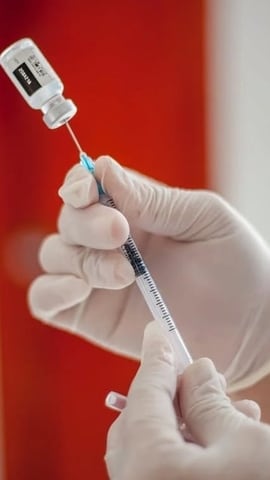
- Serious or contaminated wounds in persons who are not adequately vaccinated may also require tetanus immune globulin (TIG), which offers temporary protection. At the same time, the vaccine stimulates the body’s immune response.
Don’t wait for symptoms
Wound care is still important. Clean the wound thoroughly and remove any dirt or foreign material. Dead tissue, if any, may be removed surgically. Antibiotics should not replace tetanus vaccination. Symptoms of tetanus may usually appear a few days after an injury, and some individuals may not even remember a specific wound. Jaw stiffness, difficulty swallowing, or painful muscle spasms require immediate medical attention. Tetanus is a medical emergency and should be treated with the seriousness it deserves.
What are the rules of wound dressing?
The rule is simple: don't assess a wound solely by its size. What matters is the depth of the wound, the degree of contamination, and your vaccination history. If you’re unsure, such as in the case of a puncture wound, an injury due to a fall on the road, a bite, a burn, or any other kind of contaminated wound, you should get a medical evaluation as soon as possible and have a healthcare professional decide whether or not you need a tetanus booster or further protection.
(Disclaimer: This article is for informational purposes only and is not a substitute for professional medical advice. Always seek the advice of your doctor with any questions about a medical condition.)
Catch every big hit, every wicket with Crick-it, a one stop destination for Live Scores, Match Stats, Quizzes, Polls & much more. Explore now!.
Catch your daily dose of Fashion, Taylor Swift, Health, Festivals, Travel, Relationship, Recipe and all the other Latest Lifestyle News on Website and APPs.
See Less




Leave a Reply