From apps to AI agents: Qualcomm exec on the next shift in consumer tech
Story continues below.
Subscribe to see fewer ads.
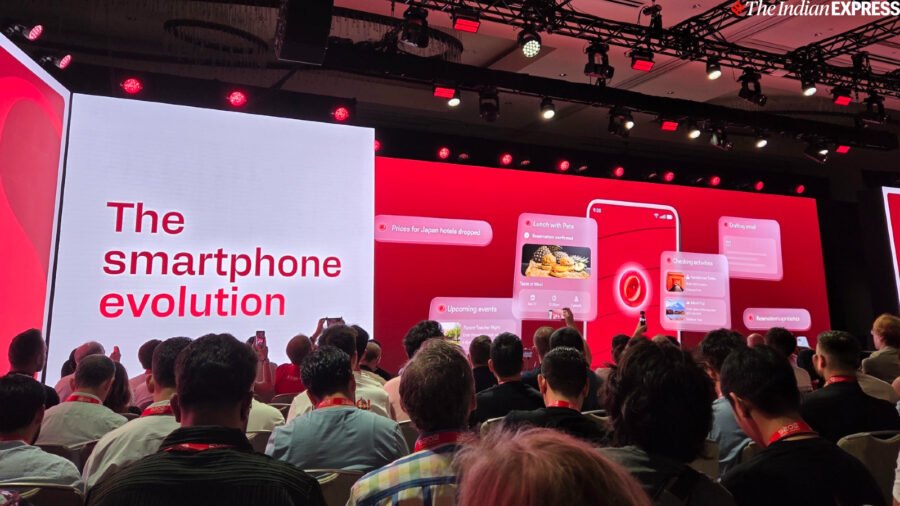
“Agentic AI is here to stay. As consumers, when they look at the devices around them, they don’t go and talk to a data centre rack; they talk to the devices around them. But their interface to these devices is increasingly becoming a direct interaction with the agent,” said Durga Malladi, EVP and GM, Technology Planning, Edge Solutions & Data Center, Qualcomm Technologies, Inc.
“Instead of opening a lot of apps, you might simply talk to an agent, and the agent actually does a lot of things behind the scenes. You don’t need to know about it,” Malladi told indianexpress.com in an interview at the Snapdragon Summit in Maui, Hawaii.
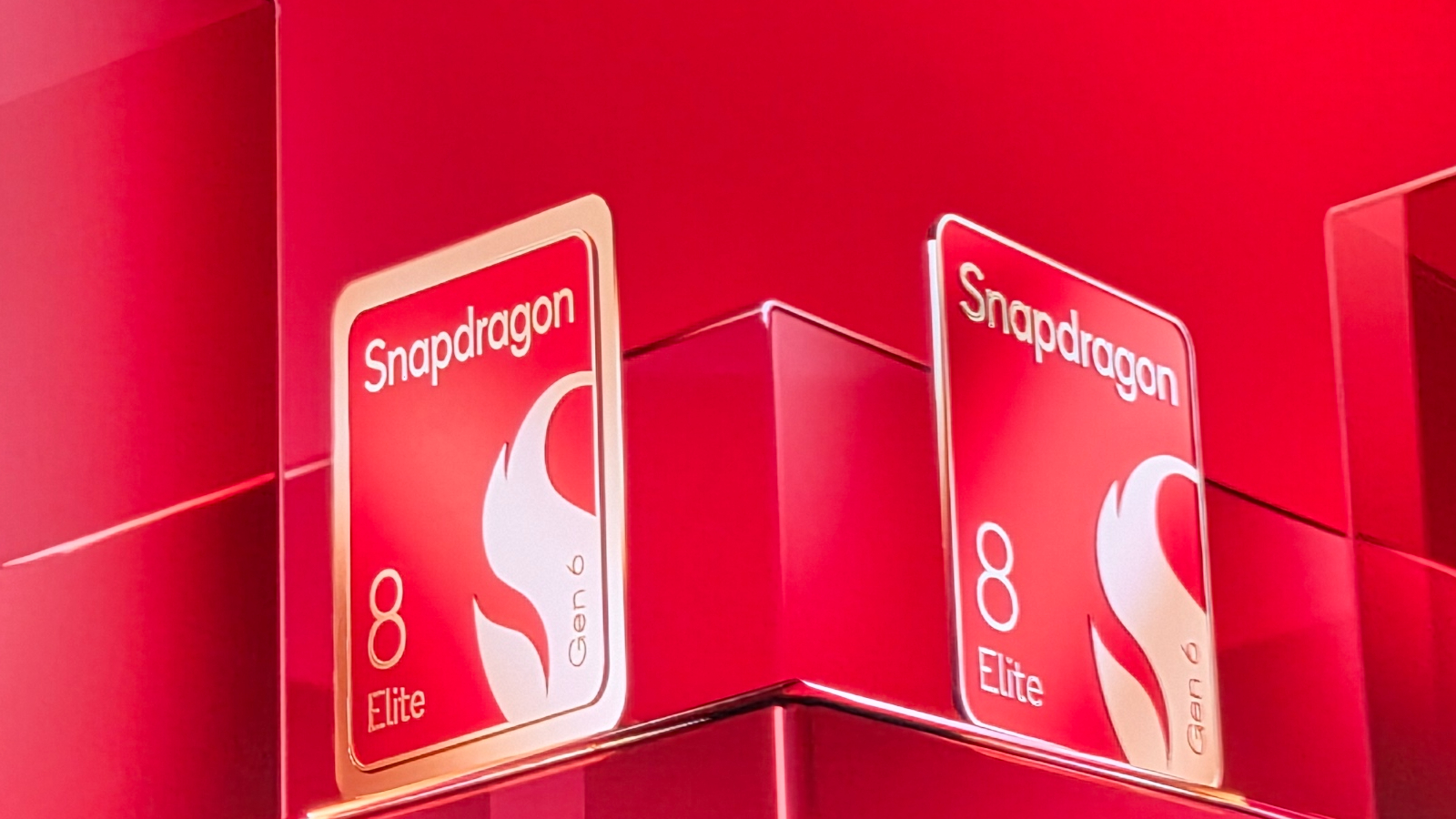 Qualcomm said that its Snapdragon 8 Elite Extreme Gen 6 and Snapdragon 8 Elite Gen 6 are designed with agentic AI in mind.
A shift from apps to agents
Until now, AI agents have largely been tried and tested in the enterprise space, where they have been pitched as a new type of interface and even described as bona fide “employees.” Many companies have deployed AI agents at scale to provide customer service, write code, and analyse data. However, enterprises face several challenges in deploying and managing AI agents, including high costs and cybersecurity risks.
For consumers, the early success of Meta’s Muse AI agent and even Google’s Gemini app makes a strong case that tech companies are preparing consumers for a shift from the era of apps to the era of agents. Right now, the vision isn’t fully materialised in today’s consumer usage; it’s where things are clearly moving.
Story continues below this ad
This also means the chipsets will be designed to meet the computational demands of agentic AI. They will also need to support personalised AI, which is only possible if they can understand personal context, remember exactly what you said, and learn from your messages, emails and conversations to build a private knowledge graph.
This could make AI agents more useful by letting them provide nuanced answers, remember past doctor appointments, create personalised travel itineraries, schedule emails, and complete tasks on users’ behalf.
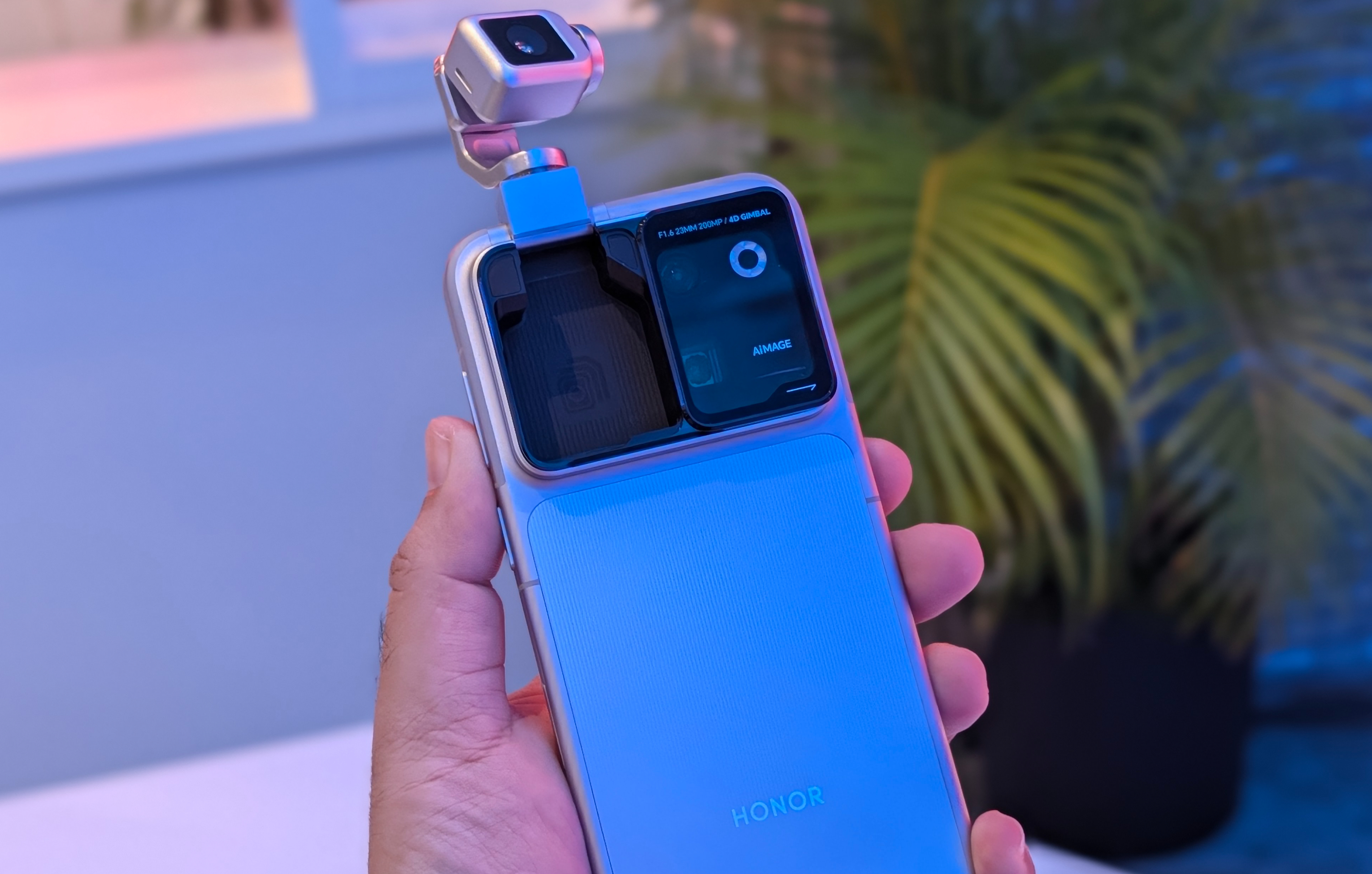 Honor’s Robot Phone, which was on display at the Snapdragon Summit in Maui, Hawaii, hints at a shift towards agentic AI, where users rely less on an app-based interface.
An evolving space
Wednesday’s launch of two new Qualcomm chips — the Snapdragon 8 Elite Gen 6 and Snapdragon 8 Elite Extreme Gen 6 — may signal that agentic AI is no longer limited to business users; it is coming to smartphones.
Consumers also face challenges with AI agents. For example, if an agent can book a ticket on your behalf or purchase a product online, it needs access to your personal data, including emails and bank accounts. That raises the question of consumer trust: can users trust an agent, and who is behind it?
Story continues below this ad
Qualcomm CEO Cristiano Amon cited “trust” and “convenience” as prerequisites for this shift during his keynote address. For AI to act on a user’s behalf, security and privacy must be guaranteed, while final control must remain with the user.
Malladi sees agentic AI as an evolving space, but expects agents to play a bigger role in consumers’ day-to-day lives while apps may become a second option. “We are not there yet. The apps are still going to coexist, but the utility of apps is gradually taking a back seat to agents. Instead of opening an app first, I might actually talk to my agent first. That’s a shift in consumer behaviour,” he said.
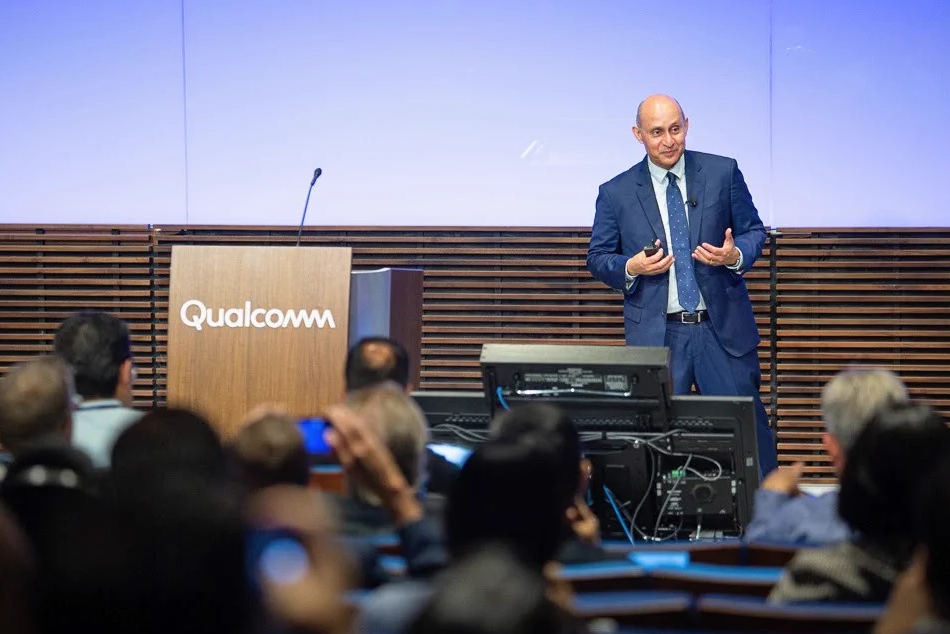 Durga Malladi, EVP and GM, Technology Planning, Edge Solutions & Data Center, Qualcomm Technologies, Inc.
Malladi also reminded that many compare AI use for enterprises versus consumers but often miss what AI actually means to a business versus a consumer. AI for an enterprise improves operational and workflow efficiency, he said, while for consumers, it has to fade into the background to become a powerful tool.
“Every time you take a picture, there’s actually a lot of AI involved in image stabilisation and processing. What you see is essentially the output of computational photography. But you don’t think you are using AI,” he explained, highlighting how AI is already used in consumer devices.
Story continues below this ad
“I think there will be a point in time when consumers will use an AI agent so frequently that they forget the fact that it’s actually using AI behind the scenes. The operational efficiency metric used by enterprises is different from a consumer standpoint. For consumers, it’s about being more convenient, useful and productive, but in a different domain altogether,” Malladi added.




Leave a Reply