Fitness coach’s mother lifts weights in a sari, inspiring women over 60
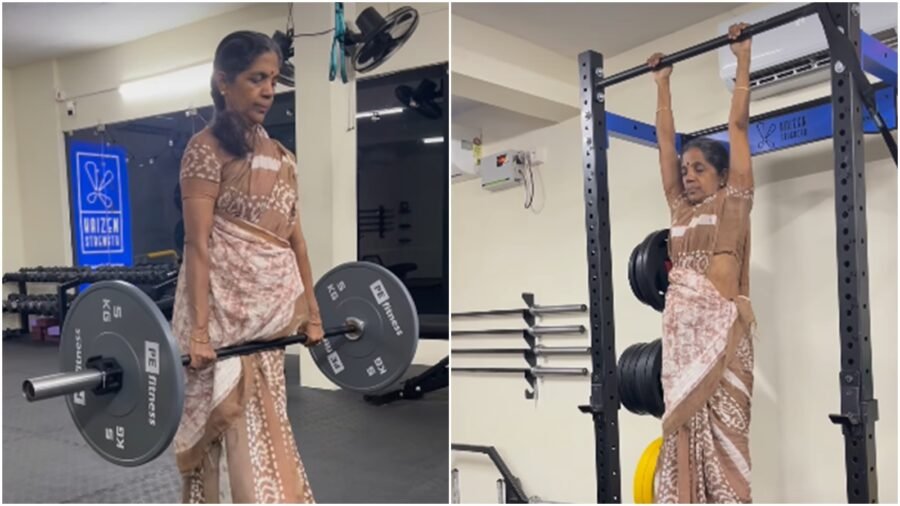
What does it take to stay fit as you age? Fitness coach Krithika Chidambaram’s 66-year-old mother, Meenatchi Chidambaram, offers an inspiring example—she was recently seen lifting weights at the gym, dressed in a traditional Indian sari. “POV: When mom gets the memo. Mom went from lifting light weights to I’m coming to the gym to lift weights. Mom slowly understands the importance of strength training,” the coach shared in an Instagram post that featured glimpses of her mother at the gym doing functional strength training.
Krithika told indianexpress.com that her “intention of posting the video was to encourage elderly people, especially women, to start strength training”.
Admitting that she is yet to become consistent, Krithika added, “But she has always been active throughout her life even though she hasn’t been to the gym a lot. In her childhood, she played many games, mostly outdoors. At home, she does bodyweight exercises with light weights. She thought lifting heavier weights was not safe,” said Krithika, 36, who owns a strength training gym for women in Thiruvanmiyur, Chennai.
Story continues below this ad
Krithika expressed that her mother wasn’t a big fan of lifting heavier weights because of all the myths around women lifting weights. “But of late, she slowly started to understand the importance of lifting weights and its many benefits, and volunteered to come to the gym. Even though she hasn’t been to the gym before, her active lifestyle helped her to do the workouts easily. I was surprised a little bit when she did all the exercises with ease,” Krithika elaborated.
This heartwarming fitness moment is sparking a conversation about ageing strong, and we sought an expert’s insight into why fitness matters in the 50s and 60s.
Why is fitness in the 50-60s essential?
The video is a powerful visual reminder that fitness has no age, no dress code, and no perfect starting point. For many women in their 50s and 60s, entering a gym can feel intimidating. They may feel conscious about their age, body, clothes, stamina, or whether they “belong” in that space. “But the truth is simple: the gym is not only for young people, athletes, or people already in shape. It is equally, and perhaps even more importantly, for people who want to age stronger,” reflected consultant dietitian and fitness expert Garima Goyal.
Story continues below this ad
Fitness in the 50s and 60s looks different from fitness in the 20s, and that is exactly how it should be. “The goal at this stage is not extreme workouts, heavy lifting from day one, or chasing unrealistic body transformations. The goal is to preserve muscle, improve balance, support bone health, maintain joint mobility, protect the heart, improve blood sugar control, reduce stiffness, and stay independent for as long as possible. At this age, fitness is not just about weight loss; it is about quality of life,” said Goyal.
One of the biggest changes that happens with age is gradual muscle loss. “This can affect strength, posture, metabolism, stamina, and even daily activities like climbing stairs, carrying groceries, getting up from a chair, or walking for long periods. Strength training becomes extremely important because it helps preserve and rebuild muscle. Simple exercises like seated leg press, assisted squats, wall push-ups, light dumbbell presses, resistance band rows, step-ups, and core stability movements can make a major difference when done consistently and safely,” said Goyal.
Bone health also becomes a major priority, especially for women after menopause. With declining estrogen levels, the risk of bone density loss increases. According to Goyal, this is where resistance training and weight-bearing exercises become extremely helpful. Walking, stair climbing, light strength training, and controlled gym exercises can support stronger bones and reduce the risk of falls and fractures. The idea is not to overload the body suddenly, but to gradually teach the muscles, joints, and bones to tolerate movement better, Goyal said.
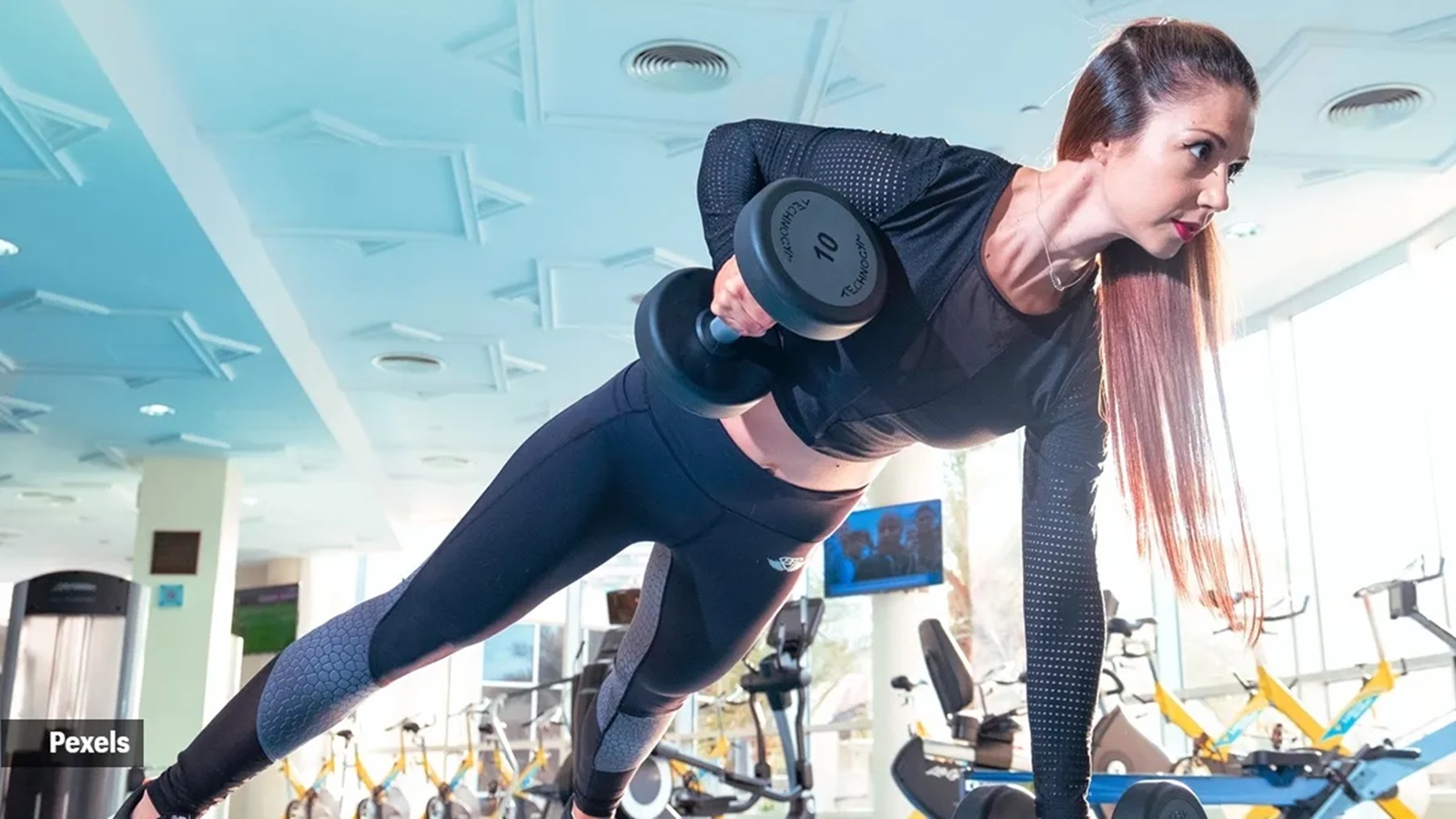 Strength training is essential for women
For someone starting their gym journey in the 50s or 60s, the first step should be a health assessment. “Blood pressure, blood sugar, heart health, joint pain, past surgeries, back pain, knee issues, osteoporosis, thyroid, diabetes, and any medications should be considered before planning workouts. A person does not need to wait until everything is “perfect” to start, but the routine should be customised according to their body and medical history,” Goyal told indianexpress.com.
Story continues below this ad
The second step is to start slow. “Many people make the mistake of doing too much in the first week and then stop because of soreness, fatigue, or fear of injury. A beginner in this age group can start with 20–30 minutes, 3–4 days a week. The workout can include 5–10 minutes of warm-up, light strength training, balance work, stretching, and a short cool-down. The focus should be on correct form, breathing, posture, and confidence rather than speed or heavy weights,” said Goyal.
A good beginner gym routine for the 50s and 60s may include treadmill walking, cycling, resistance bands, light dumbbells, machine-based exercises, and mobility work. “Machines can actually be helpful in the beginning because they provide support and reduce the need for too much balance control. Exercises like chest press, seated row, leg press, hamstring curl, shoulder press, and cable work can be introduced gradually under supervision,” said Goyal.
View this post on Instagram
A post shared by Kaizen Strength (@kaizenstrength.in)
Balance training should not be ignored. As people age, balance and reaction time may reduce, increasing the risk of falls. Simple exercises like heel-to-toe walking, single-leg supported stands, step-ups, side steps, and controlled weight shifts can improve stability. “Core training is also important, but it does not have to mean crunches. Safer options include dead bugs, seated marches, bird-dog variations, pelvic tilts, and breathing-based core activation,” said Goyal.
Nutrition becomes the backbone of fitness at this age. “Many women in their 50s and 60s eat less protein than required, either because of reduced appetite, digestive issues, or the habit of having mostly tea, roti, rice, sabzi, and light snacks. But protein is essential for preserving muscle, supporting recovery, improving immunity, and maintaining strength. Each meal should ideally include a protein source such as dal, curd, paneer, tofu, sprouts, eggs if allowed, lean meat if non-vegetarian, or protein powder if needed and medically suitable,” Goyal said.

TQWL on your train ticket: What it means, confirmation chances and boarding rules
By Sohail Khan · 29 Sep