Everyday Explained: Why does coffee fail to wake you up sometimes? Here’s what an expert wants you to know

Everyday Explained: Why does coffee fail to wake you up sometimes? Here’s what an expert wants you to knowPublished on: Sep 16, 2026, 15:58:41 IST
Prefer HTon Google
Share via
Copy link
Coffee is supposed to wake you up, so why does it sometimes make you sleepy? An expert explains why your caffeine fix may sometimes make you sleepy.
Coffee is sold as a rapid remedy for tiredness, but coffee often makes people sleepy. Such a phenomenon is common knowledge in the field of sleep studies and nutrition and is generally linked to the mechanism of caffeine action. In this edition of ‘Everyday Explained,’ Lifestyle spoke to Dr Eileen Canday, the head of the department of nutrition and dietetics at Sir H N Reliance Foundation Hospital, Mumbai, to understand the reason behind this.
Also read | Everyday explained: Why are potatoes not stored in the refrigerator?
Why do you feel sleepy after drinking coffee?
Dr Canday highlighted the ‘mask and rebound’ effect due to the fact that caffeine provides a person with wakefulness mainly through inhibition of adenosine receptors in the brain. Adenosine is a metabolic product that is accumulated in the brain throughout the day and serves as a "signal of sleep pressure." If caffeine inhibits these receptors, then the brain does not realise the signal, so the person feels awake, and adenosine continues to accumulate in the brain.
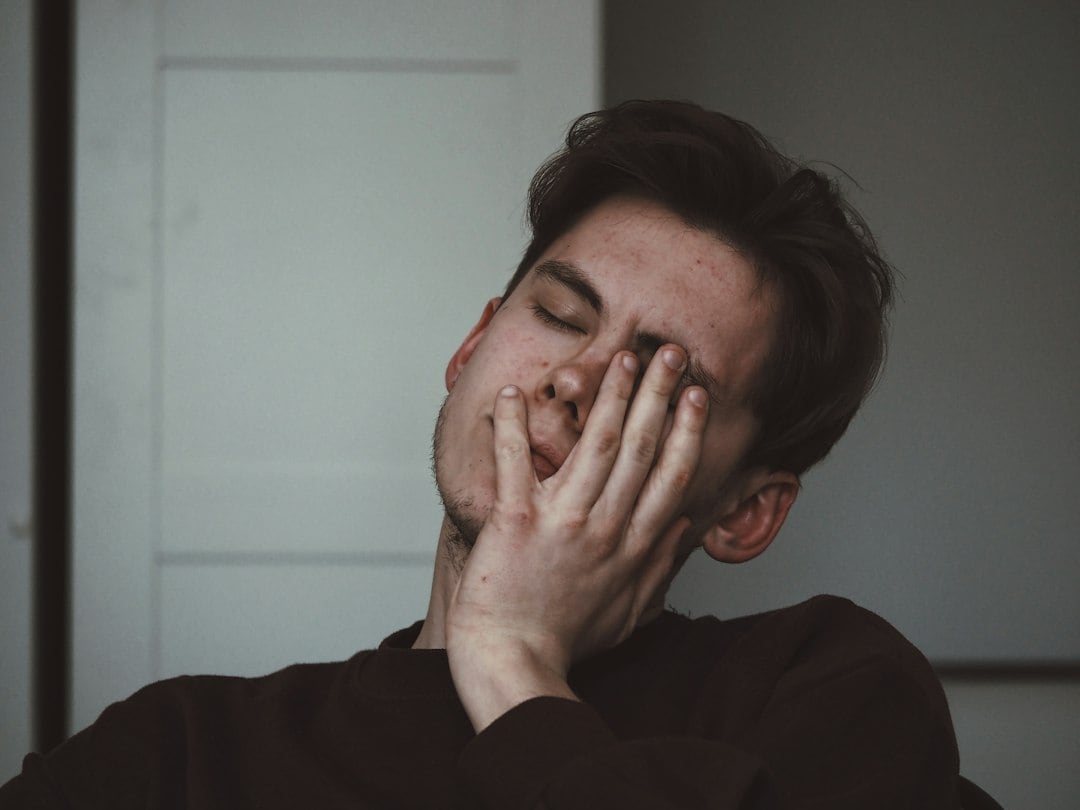
As soon as the level of caffeine decreases in the brain, often after several hours, the accumulated adenosine immediately starts working, and thus the person experiences a rapid feeling of tiredness known as ‘caffeine crash’ or adenosine rebound.
“Caffeine tolerance, sleep debt and timing, as in the case of regular consumption of much caffeine, the brain becomes tolerant and changes its sensitivity to adenosine,” said Dr Canday. Thus, the same amount of caffeine blocks fewer receptors in the brain, and a person becomes sleepy faster.
When you lack sleep badly, the levels of adenosine will be so high that it will out-compete caffeine partially, and this makes the effects of caffeine less. In other words, drinking caffeine when very sleep-deprived results in increased fatigue.
Secondly, the timing matters as cortisol rises just after one wakes up. Consuming caffeine at this time makes one feel ineffective, and then when it goes down, the person will feel tired due to the decrease in alertness. Other factors include sugar, dehydration, and metabolism.
The majority of drinks referred to as coffee drinks contain a lot of sugar. According to Dr Canday, when blood glucose increases very fast and then decreases after that, the person feels more tired than before. The second factor is dehydration, as caffeine is a mild diuretic in some cases. Finally, there is an individual difference regarding the metabolisation of caffeine and sensitivity of adenosine receptors.

What can you do?
1. Sleep 7-8 hours, as no matter how much coffee you have, sleep debt cannot be paid back.
2. Avoid having your first cup of coffee 60-90 minutes after waking up in order not to encounter the spike of cortisol.
3. Stay away from sugar; opt for plain black coffee or sweetened only slightly.
4. Drink water together with coffee without depending on several cups.
5. If you depend on coffee regularly, take breaks periodically to reset tolerance.
If you always become sleepy after coffee, it means that it is your body that gives you a signal.
Note to readers: This article is for informational purposes only and not a substitute for professional medical advice. Always seek the advice of your doctor with any questions about a medical condition.
Catch every big hit, every wicket with Crick-it, a one stop destination for Live Scores, Match Stats, Quizzes, Polls & much more. Explore now!.
Catch your daily dose of Fashion, Taylor Swift, Health, Festivals, Travel, Relationship, Recipe and all the other Latest Lifestyle News on Website and APPs.
See Less




Leave a Reply