Dissent is the cornerstone of democracy, says legal scholar
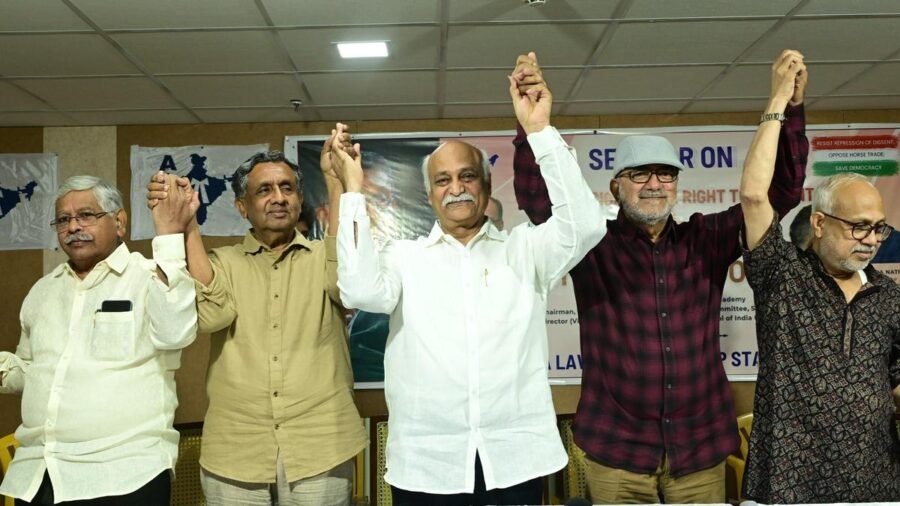
Calling differences in thinking on an issue a “biological reality”, G. Mohan Gopal, founder-chairman of the National Court Management Systems Committee of the Supreme Court of India, said protests originated in dissent, which was a cornerstone of democracy and a free society.
Addressing a seminar on the “Right to Dissent and the Constitution of India” organised by the All India Lawyers’ Union (AILU) State Committee here on Saturday, Mr. Mohan Gopal said there had been brazen attacks on the “channels of dissent” provided under Article 19(1) of the Constitution because of growing authoritarianism.
He said the recent agitation at Jantar Mantar in New Delhi by “cockroaches” was a result of the suppression of dissenting voices and sent a clear signal that the youth would no longer silently endure such attacks.
“This wave of peaceful protests should not be allowed to dissipate as otherwise the very foundations of Indian democracy could crumble,” he said.
Mr. Mohan Gopal attributed the stifling of democratic voices to a “culture of obedience” and a growing misconception that dissent could plunge the country into anarchy.
He said the freedoms of speech, expression, assembly and association guaranteed under Article 19 of the Constitution were like oxygen essential for democracy to flourish, and attempts to curtail them should be resisted firmly. These rights were the ultimate weapons of a democratic struggle, he said, adding that suppressing dissent would weaken institutional integrity, while open debate would strengthen nations.
Mr. Mohan Gopal said one effective way of countering attacks on fundamental freedoms was to approach the courts through petitions. The Supreme Court and High Courts, he said, remained a silver lining amid the gloom and acted as a bulwark against the deprivation of people’s rights and civil liberties.
He said some judges had also been “exercising their right to dissent” through their judgments in cases involving violations of democratic principles. Unlike countries where constitutional safeguards existed merely on paper, India’s constitutional framework provided functional protections that had to be actively secured by the people, he added.
AILU national president Bikas Ranjan Bhattacharya, general secretary P.V. Surendra Nath, national working president Sunkara Rajendra Prasad and vice-president K. Elango were among those who spoke.
13 years on, PM Modi returns to SRCC; to address students soon
By Sohail Khan · 5 Sep
Police arrest man in ₹17.45 lakh theft from Puttaparthi college
By Sohail Khan · 5 Sep
Tsunami mock drill held in Thiruvananthapuram
By Sohail Khan · 5 Sep
Leave a Reply