Diarrhoea, white spots and 5 other surprising signs your body may be low on zinc

In our race to fill our plates with enough protein and fibre, we often miss key nutrients needed for metabolic health. Zinc is one such essential mineral that the body needs for a strong immune system.
Dr Brunda M S, Sr. Consultant – Internal Medicine, Aster CMI Hospital, Bangalore, says that it helps with wound healing, DNA and protein production, normal growth, healthy skin, and even proper taste and smell. But what happens when the body starts lacking zinc?
Story continues below.
Subscribe to see fewer ads.
What leads to a zinc deficiency?
Dr Brunda says deficiency can occur when the diet does not provide enough zinc, the body cannot absorb it properly because of digestive problems, increased needs during pregnancy or growth, certain chronic illnesses, or diets that are very low in zinc-rich foods.
“Common signs include frequent infections, slow wound healing, hair loss, dry or irritated skin, reduced appetite, and changes in taste or smell,” she tells indianexpress.com.
3 surprising clues you need to watch out for
Dr Brunda points out three less obvious clues that can sometimes appear in the body.
White spots or lines on the nails: Which may occur alongside other nutritional problems and should not automatically be blamed on zinc deficiency.
Story continues below this ad
Unexplained changes in taste or smell: Where food may seem unusually bland or familiar smells become difficult to detect.
Persistent diarrhoea or digestive discomfort: Because zinc deficiency can affect the health and function of the digestive and immune systems
However, she mentions that these symptoms can have many other causes and are not always specific to zinc deficiency.
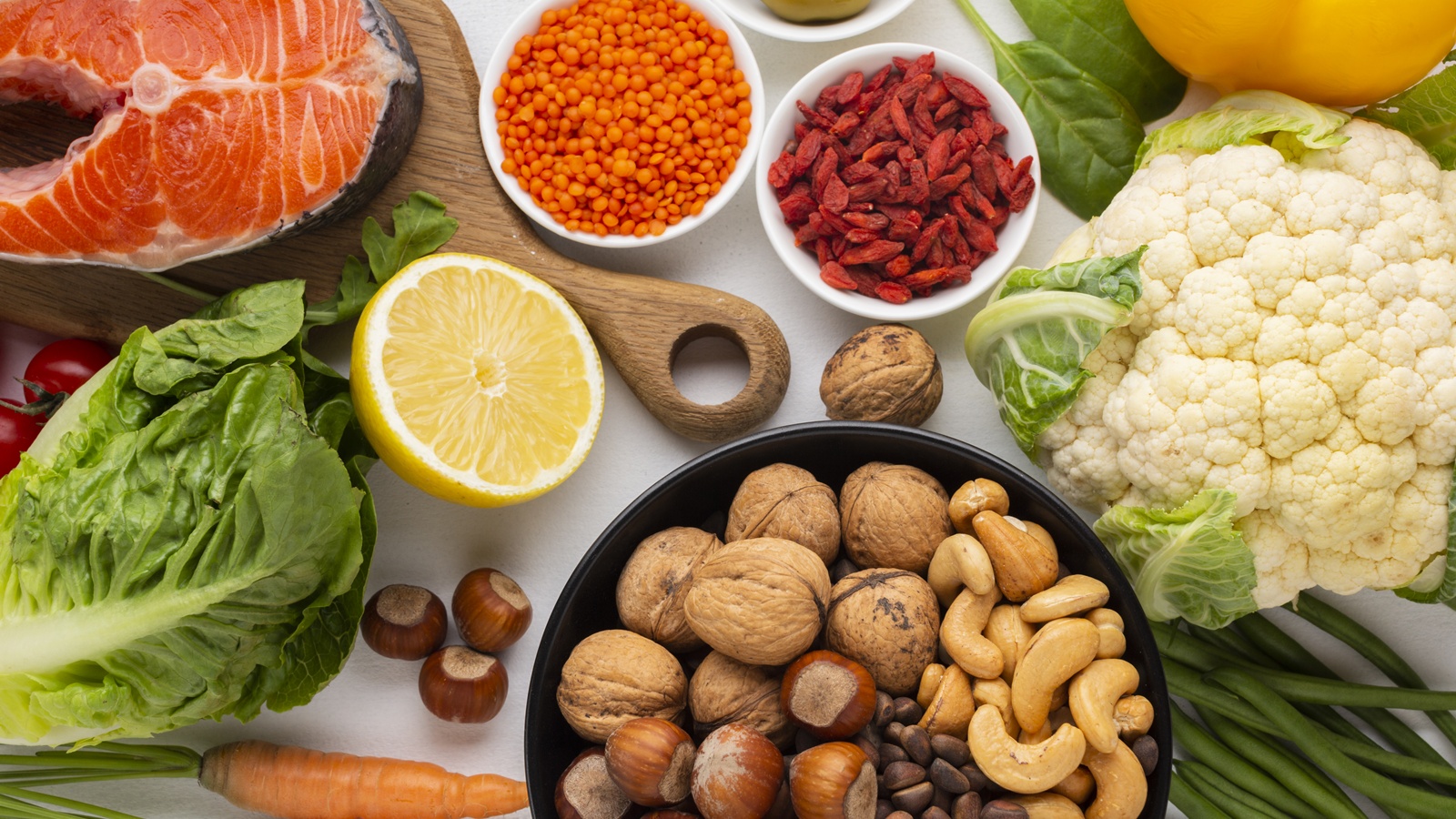 For most people, the safest approach is to obtain zinc through foods. (Source: Magnific)
What else should you watch out for?
As for other uncommon signs worth discussing with a doctor, Dr Brunda says that “delayed growth or puberty in children and teenagers, reduced night vision, problems with concentration or mood, and unusual sensitivity to infections” require medical attention.
Story continues below this ad
Who remains at risk?
According to the doctor, people at greater risk include those with restricted diets, conditions that interfere with nutrient absorption, heavy alcohol use, or increased nutritional requirements. Therefore, she advises confirming suspected deficiency through medical assessment rather than taking high-dose zinc supplements on your own.
Also, Dr Brunda suggests watching out for zinc overload as that can cause “nausea, stomach upset, interfere with copper absorption, lower immune function”, and create other health problems.
“For most people the safest approach is to obtain zinc through foods such as beans, lentils, chickpeas, dairy products, nuts, seeds, whole grains, eggs, and, for non-vegetarians, meat and seafood,” she concludes.
Story continues below this ad


New e-commerce rules: What changes for your online shopping
By Sohail Khan · 13 Sep
BRICS, India-China and the return of Asia
By Sohail Khan · 13 Sep
Leave a Reply