Cochin University of Science and Technology decides to introduce industry-flexible curriculum
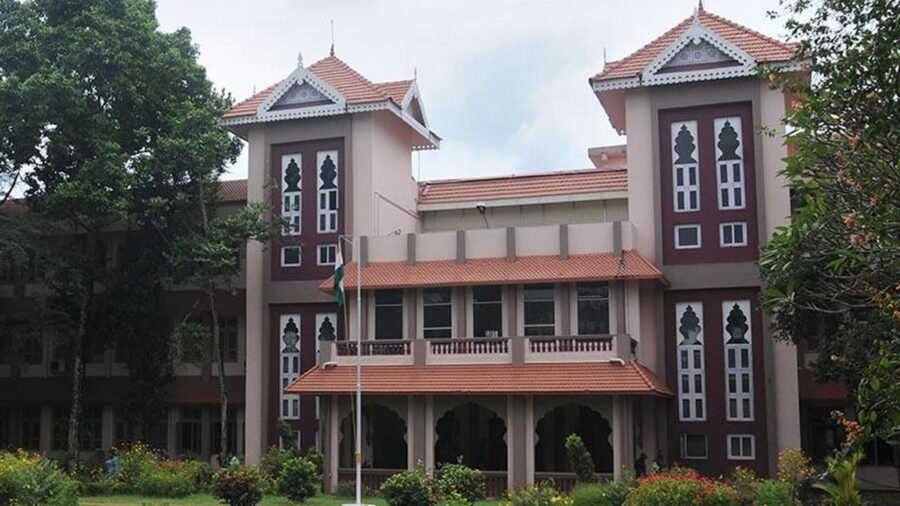
The Cochin University of Science and Technology (Cusat) has decided to introduce an industry-flexible curriculum to enable timely and continuous reforms in university curriculum in tune with the rapid changes in the industrial and technological sectors.
The decision was taken at a meeting chaired by Vice-Chancellor M. Junaid Bushiri and attended by the Deans and Heads of Departments on Wednesday (September 2, 2026).
Continuous professional development
A key proposal under the flexible curriculum is to provide faculty members with opportunities for continuous professional development through training programmes, industry interactions and collaborations with leading research and development institutions, enabling them to effectively impart teaching in emerging subject areas.
Prof. Bushiri said that the industry-flexible curriculum will be rolled out in the next academic year. “It will be drafted in accordance with the requirements of various sectors,” he said.
About 80% of the syllabus will comprise the core curriculum prescribed by the Board of Studies while the remaining 20% will constitute the flexible curriculum component. While the core curriculum will ensure academic standards and statutory requirements, the flexible component will be periodically updated to include new technologies, research findings, interdisciplinary subjects, industrial practices, case studies and contemporary developments, according to a communication.
The meeting proposed that significant research findings by students and researchers from various departments may be considered for inclusion in the curriculum after scrutiny by the respective Departmental Research Committee.
Emerging subject areas
Senior university officials said that faculty members, students, research scholars, postdoctoral fellows, industry experts and alumni will also be given opportunities to submit suggestions for including new and emerging subject areas. Researchers can also assist faculty members in identifying new developments for incorporation into the flexible curriculum.
The flexible curriculum will enable the timely inclusion of new discoveries, emerging technologies, research areas and industrial developments across various disciplines. The process will also facilitate the inclusion of emerging areas in rapidly developing fields such as semiconductor technology, photovoltaics and biotechnology. Similar updates can be introduced in Engineering, Environmental Science, Management, Law, Social Sciences and other disciplines, according to the authorities.

NIMHANS, Karnataka prisons sign MoU to strengthen inmates’ mental healthcare
By Sohail Khan · 2 Sep

Pete Hegseth is conquering the Pentagon
By Sohail Khan · 2 Sep
Leave a Reply