CJP’s nationwide protest from Oct 2 if CEC Gyanesh Kumar doesn’t resign: Abhijeet Dipke
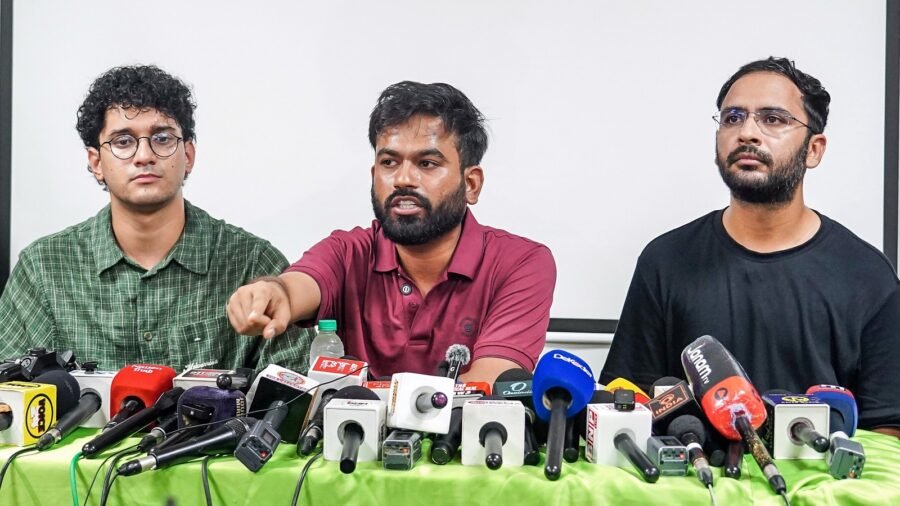
CJP's nationwide protest from Oct 2 if CEC Gyanesh Kumar doesn't resign: Abhijeet Dipke
“If Gyanesh Kumar does not resign by tomorrow, CJP will begin its nationwide protest from Mumbai on 2 October,” said Abhijeet Dipke.
Updated on: Sep 25, 2026, 12:28:09 IST
Prefer HTon Google
Share via
Copy link
The ‘Cockroach’ movement has threatened to launch nationwide protests from October 2 if Chief Election Commissioner Gyanesh Kumar does not resign by Saturday.
“If Gyanesh Kumar does not resign by tomorrow, CJP will begin its nationwide protest from Mumbai on 2 October, and take it to cities across India,” Cockroach Janta Party founder Abhijeet Dipke said.
The group said the protests would begin in Mumbai on Gandhi Jayanti and subsequently be taken to cities across the country.
Deep Dive
Powered ByAsk
“This Gandhi Jayanti let’s pledge to save democracy,” he said.
CJP's co-convener Ashutosh Ranka said, “There cannot be a better date than Oct 2 to reclaim our Republic.”
CJP targets Gyanesh Kumar
Earlier on Thursday, CJP founder Dipke, accompanied by co-convener Saurav Das and Ranka, accused Gyanesh Kumar of undermining the electoral process and threatened a “Jantar Mantar 2.0” if the CEC did not resign within 48 hours.
The CJP founder called Gyanesh the “biggest traitor”, “biggest anti-national” and the “biggest threat to Indian democracy”. He also alleged that the CEC had “rigged” the electoral process and was deciding who would be allowed to vote.
Ranka sought criminal proceedings against Kumar, while Das alleged that young voters were being deliberately kept out of electoral rolls because the BJP believes that Gen Z does not support the party.
Protest warning amid ECI row
The CJP's allegations come amid a fresh controversy over the functioning of the Election Commission following an investigation. The report said Election Commissioners Sukhbir Singh Sandhu and Vivek Joshi had formally objected at least 14 times over 10 months to decisions and orders that they said were taken without their knowledge.
The objections reportedly concerned key aspects of electoral-roll management, including the addition, deletion and restoration of voters, changes to Form 6 and access to the Commission's electoral-roll database.
The Election Commission, however, rejected suggestions of an institutional rupture, saying differing views, written notes and internal checks were part of the decision-making process in a multi-member constitutional body. The poll panel has maintained that its decisions were unanimous.
See Less

J&K CM moves resolution for full Statehood restoration in assembly; BJP MLAs protest
By Sohail Khan · 25 Sep

Leave a Reply