Centre to disable 15.8 million ‘inactive’ ration cards from October
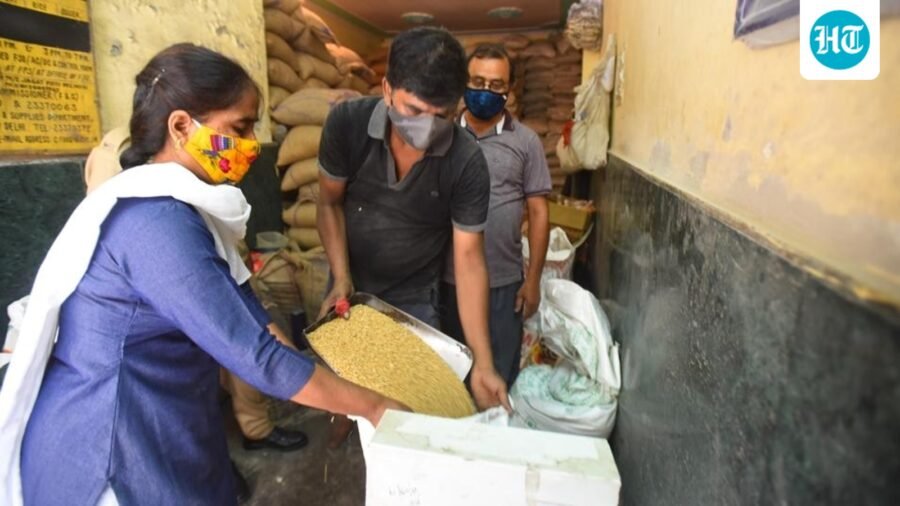
The government is giving the cancelled ration cards three months to verify eligibility through e-KYC to reactivate cards.
Published on: Sep 29, 2026, 06:42:16 IST
Prefer HTon Google
Share via
Copy link
The Centre is set to disable the ration entitlements of 15.8 million beneficiaries from October who have not used their ration cards for the past six months, was told. The move is the latest step in the government’s effort to clean up the public distribution system (PDS) database and weed out inactive, duplicate and otherwise suspect beneficiaries.
The beneficiaries’ names will not be deleted immediately from the database. Their ration cards will first be temporarily disabled, giving them three months to establish that they are genuine beneficiaries. If they complete the e-KYC process within this period, their cards will be activated again, a senior government official told on condition of anonymity.
The three-month window is part of the government’s approach to deal with what it calls “silent ration cards” — those against which no foodgrain entitlement has been availed in the past six months. The amended Targeted Public Distribution System (Control) Order provides for temporary disablement of such cards, followed by field verification and e-KYC within three months before a final decision is taken.
The government has argued that such database clean-ups are necessary to ensure that foodgrains reach genuine beneficiaries and to reduce leakages arising from duplicate, deceased, migrated or otherwise ineligible people.
Rajendran Narayanan, associate professor at Azim Premji University, questioned the approach of disabling beneficiaries first and requiring them to re-establish their eligibility.
“This process of deleting a person’s name and then asking them to rejoin the system through e-KYC or other such methods is an instance of shifting the burden of accountability from the State to the citizens,” Narayanan said.
He said the default approach in a rights-based welfare programme should be inclusion rather than deletion.
“Periodic assessments of who is taking rations is important but it needs to be done in a bottom-up process through committees at panchayat level,” he said.
Such committees should establish why a person has stopped drawing rations — whether because of technological hurdles, concerns with the ration dealer, migration or death.
“But by deleting first and then putting the onus on the citizens to align with State’s technological requirements is unfair,” Narayanan said.
The government has previously used digitisation, Aadhaar seeding and e-KYC to clean up the PDS database.
In November 2024, the food ministry said about 58 million ration cards had been removed from the PDS system through these exercises, describing the process as de-duplication aimed at ensuring that only eligible people remained covered.
The Centre’s Scheme for Modernization and Reforms through Technology in Public Distribution System, or SMART-PDS programme is being used to strengthen technology-enabled delivery and beneficiary verification in the PDS.
The government is also pushing e-KYC as a central tool for maintaining the ration-card database. e-KYC coverage stood at 90.64% as of July 30, according to the food department. It said a new protocol for e-KYC-based data replication and mobile-number seeding have also been rolled out.
See Less




Leave a Reply