Caught cheating, then what? IIT faculty call for clear rules, student support
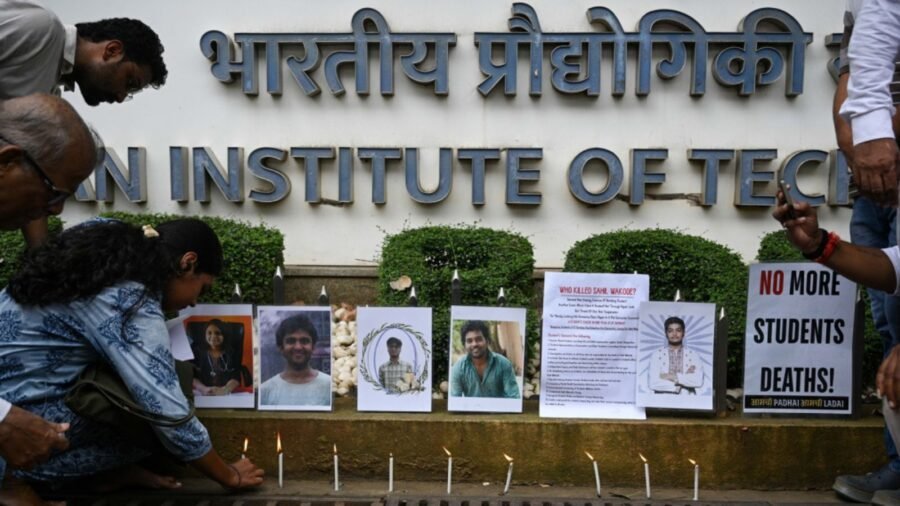
Days after IIT Bombay student Sahil Wakode’s alleged death by suicide, faculty members across several IITs have begun discussions on creating clear protocols to tackle examination malpractice cases, handle such situations sensitively, and ensure students receive timely emotional support.
Faculty members from IIT Madras, Delhi, Kharagpur, Indore, Kanpur and others, including former IIT Delhi director V Ramgopal Rao, have also extended support to Professor Suryanarayana Doolla, the invigilator who allegedly detected the violation during the examination.
Wakode was allegedly found using a mobile phone and ChatGPT during a test last week. He allegedly died by suicide the same day.
Story continues below.
Subscribe to see fewer ads.
IIT Kharagpur teachers’ body calls for changes
The IIT Kharagpur Teachers Association, in a statement issued on Tuesday, said the tragedy “underscores an urgent, systemic imperative”. The association urged all IITs to establish “clear, compassionate guidelines” for handling examination malpractice, including the challenges posed by “unauthorised digital devices and generative AI tools”.
It said that any student reported for malpractice should immediately receive counselling and wellness monitoring so they are not left to cope with acute stress alone.
IIT Delhi Faculty Forum plans meeting with director
The IIT Delhi Faculty Forum is planning to seek a meeting with the institute’s director to discuss the issue. “Both teachers and students are our family. We have to handle such situations very carefully and sensitively. A student should not be humiliated in public; he/she should get proper counselling. But at the same time, teachers are in a fix now. Shouldn’t they do their work?” a professor who is a member of the forum said, requesting anonymity.
“We have counselling for students, but more involvement of faculty, parents, and peers is very important to ensure that a student gets proper support and guidance…We are planning to request a senate meeting with the director…,” the professor added.
Story continues below this ad
Ex-IIT Delhi chief backs Doolla, suggests BTech restructuring
Former IIT Delhi director V Ramgopal Rao backed professor Doolla, describing him as “one of the finest faculty members” in the IIT system. He also proposed restructuring IIT BTech programmes into a flexible five-year format.
In a post on X, Rao said, “I am disturbed to see Prof. Suryanarayana Doola being vilified over the recent controversy at IIT Bombay. I know Surya personally. He is one of the finest faculty members I have known in the IIT system, and a gentleman of the highest integrity. Whatever concerns have been raised should be examined fairly. A public campaign against an individual serves no one.”
Rao said that IIT classrooms have become highly heterogeneous, with students “coming through an intensive coaching culture, and classrooms bringing together students whose JEE Advanced ranks range from single digits to five digits”. “Language also further adds to the challenge. The question to ask therefore is, with such heterogeneity, can we expect every student to learn at the same pace?” he said.
Rao suggested a five-year BTech model where students meeting credit requirements could still graduate in four years, or earlier, while those needing additional academic support could spread coursework over five years and access resources such as recorded lectures, online learning material and language support. “The pace would be decided by performance within the IIT, not by a student’s admission category or entrance rank,” he added.
Story continues below this ad
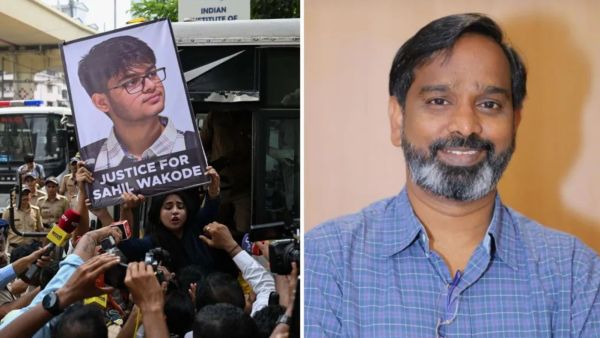 Faculty members from IIT Madras, Delhi, Kharagpur, Indore, Kanpur and others have extended support to Professor Suryanarayana Doolla, the invigilator who allegedly detected the exam violation.
Need to sensitise students
A senior IIT Indore faculty member said similar discussions were taking place within the institute, with teachers stressing the need for well-defined procedures.
“A teacher is doing his/her job as an invigilator, but at the same time, there is a need for sensitising students on these issues. The young children come from different cities, and it takes time to cope and adjust,” the faculty member said, adding that students also face pressure.
The professor said IITs are taking steps to counsel students and address challenges, including language barriers. “There are plans to engage counsellors to interact with students in their hostels, open homes, and dining halls and take up activities to sensitise them,” the faculty member added.
IIT Council Meeting discussed mental health
Mental health and wellness were discussed in the last IIT Council Meeting in August 2025, where the council recommended creating a structured mental health cadre within IITs, including sanctioned posts for counsellors, psychologists and psychiatrists.
Story continues below this ad
The minutes noted that filling such positions, either on a regular or contractual basis, would require creating sanctioned posts to ensure funding.
IIT Gandhinagar was also asked to refer to the Rehabilitation Council of India guidelines while developing a framework for mental health professionals across IITs.



Leave a Reply