As Bhutan eliminates dog-transmitted rabies, experts stress one thing: Don’t delay after a bite
As Bhutan becomes the first country in the WHO South-East Asia Region to eliminate dog-transmitted rabies as a public health problem, its achievement underscores that rabies is preventable—but that timely action following an animal bite is critical. The World Health Organization (WHO) says rabies is almost always fatal once clinical symptoms appear, but deaths can be prevented through prompt post-exposure prophylaxis (PEP). This includes thoroughly washing the wound, taking the recommended course of rabies vaccine and, when indicated, receiving rabies immunoglobulin (RIG).
So, how soon should you take the rabies vaccine after a dog bite? What should you do immediately after being bitten, and when is rabies immunoglobulin required? While the instinct may be to wait and observe the dog or dismiss a minor scratch, WHO recommends that people bitten or scratched by a potentially rabid animal seek PEP care immediately.
How soon should you get the rabies vaccine after a dog bite?
The first step is to not wait. “Seek medical attention as soon as possible, ideally the same day,” says Dr Vinod Sharma, Head of Veterinary Services at DCC Animal Hospital, Gurugram.
He recommends starting the first rabies vaccine dose on day 0, ideally within 24 hours of the bite. “PEP can still be effective if started within a few days, and in some guidance up to 10 days after exposure, but do not wait—earlier is much safer,” Dr Sharma says.
The need for vaccination and the exact PEP schedule should be determined by a healthcare professional based on the nature of the exposure and the animal involved.
What should you do immediately after a dog bite?
“Wash the wound thoroughly with soap and running water for at least five minutes; many guidelines, including WHO, recommend 10–15 minutes if possible,” says Dr Sharma.
Story continues below this ad
After washing, rinse the wound well to remove soap and saliva. Gently pat it dry and cover it with a clean, loose dressing. Avoid tightly bandaging the wound.
“Soap and water is the most important first step and significantly reduces infection and rabies risk,” Dr Sharma explains. However, washing the wound does not replace medical evaluation.
“You still need a clinician to decide on vaccines, tetanus, antibiotics, and whether RIG is needed,” he adds.
Which dog bites are considered high-risk?
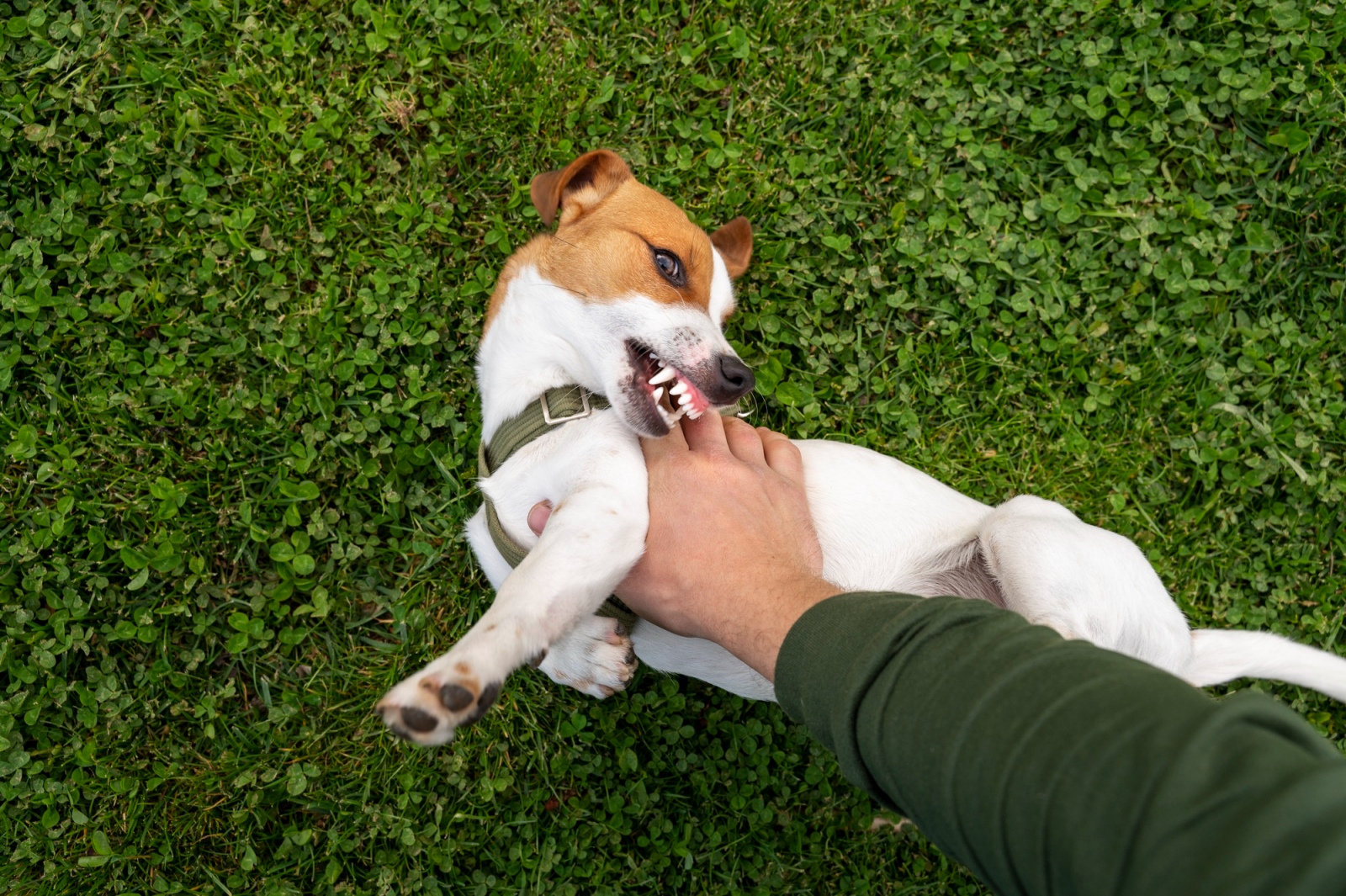
Not every exposure carries the same level of risk. According to Dr Sharma, Category III exposures generally include bites or scratches that break the skin and bleed.
Story continues below this ad
High-risk exposures can also include:
* Bites to the head, neck, face, hands, fingers or genitals
* Bites close to the eyes, nose or ears
* Multiple or deep wounds
* Licks on broken skin or mucous membranes
* Bites from stray, unknown or wild animals
* Bites from animals showing possible signs of rabies, such as unprovoked aggression, excessive drooling or paralysis
“Any bite or scratch that breaks the skin and bleeds should be taken seriously,” says Dr Sharma.
 Bhutan eliminates Rabies
When is rabies immunoglobulin needed?
RIG is different from the rabies vaccine. For people who have not previously been vaccinated against rabies, Dr Sharma says RIG is recommended for Category III exposures, along with the vaccine.
“RIG is ideally given on day 0 with the first vaccine dose, preferably within 24 hours,” he says.
Story continues below this ad
The decision should be made by a medical professional based on the exposure and the person’s vaccination history. Dr Sharma also notes that some protocols may recommend RIG for certain less-severe exposures in immunocompromised people.
What mistakes should you avoid after a dog bite?
One of the biggest mistakes is applying substances to the wound instead of washing it. “Avoid applying chilli, turmeric, herbs, oils, ash, lime, toothpaste or other home remedies to the wound,” says Dr Sharma.
People should also avoid tightly bandaging or attempting to suture the wound themselves.
Another common mistake is waiting to see whether the dog develops symptoms before seeking medical care. “Do not wait to see if the dog ‘develops symptoms’ before seeking care,” Dr Sharma says.
Story continues below this ad
What should you do if the dog is a pet?
If the dog is a known, healthy pet, its health status and vaccination history can help a clinician assess the risk. Dr Sharma says the 10-day observation rule may be followed for a healthy, known dog under veterinary and medical guidance.
However, this should not become a reason to delay medical assessment or PEP when it is indicated.
“If the animal is stray, unknown, or acting abnormally, do not delay starting PEP,” Dr Sharma says.

Good foundation: on India’s strong industrial growth performance
By Sohail Khan · 1 Oct
Bitter pills: on Court’s intervention, drug pricing
By Sohail Khan · 1 Oct
Household debt, financing today against tomorrow
By Sohail Khan · 1 Oct