Analogue dairy crackdown: What it means for your food and health
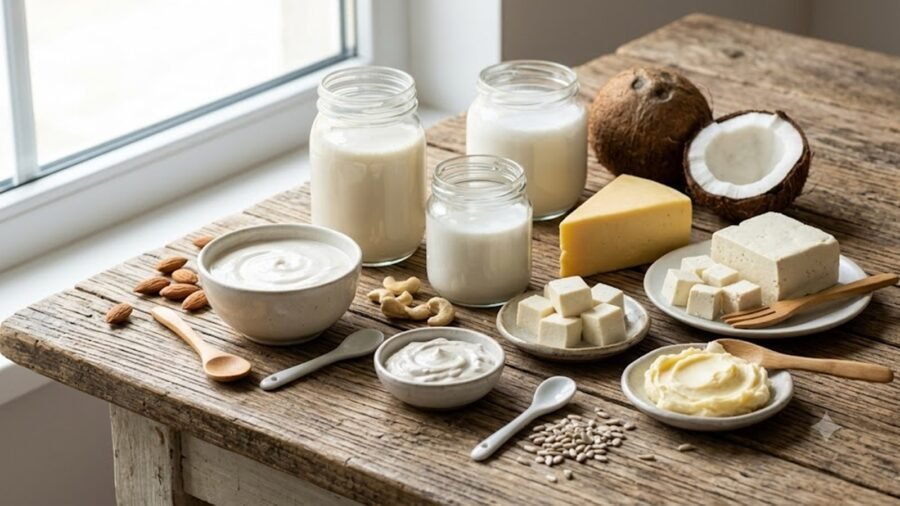
After analogue paneer and cheese, the focus has now shifted to analogue dairy products as food safety concerns grow. Following the Food Safety and Standards Authority of India’s directive against the sale of analogue foods, such as cheese analogues, as dairy products, online food delivery platforms have begun reviewing their listed offerings. Zomato has announced a zero-tolerance policy on the sale of analogue dishes by restaurants listed on its platform, reserving the right to remove any listing found in violation. The press statement read, “With immediate effect, dishes that restaurant partners have declared as containing analogue dairy have been delisted from the platform. The move is a consumer-first step, driven by Zomato’s own commitment to transparency and food quality. Restaurant partners must take immediate corrective actions such as:
*Transitioning to natural dairy products
*Remove items containing analogue dairy products from the menu, in case an immediate transition is not feasible
*Reviewing product labels and ingredient declarations provided by suppliers to verify the ingredients being used and ensure accurate representation of the products listed on Zomato.
Story continues below this ad
Restaurant partners that remain non-compliant will be delisted from the platform.”
Aditya Mangla, CEO, Zomato, said in the press statement, “At Zomato, our core mission is better food for more people, and that means safeguarding customer health and upholding clear standards for what’s listed and served by our restaurant partners. This policy reflects that commitment; one we’re taking together with partners who share it.”
To understand the implications of the move—and what it could mean for vegans, people who are lactose intolerant or allergic to dairy, and those seeking alternatives to animal-based dairy—we spoke to experts.
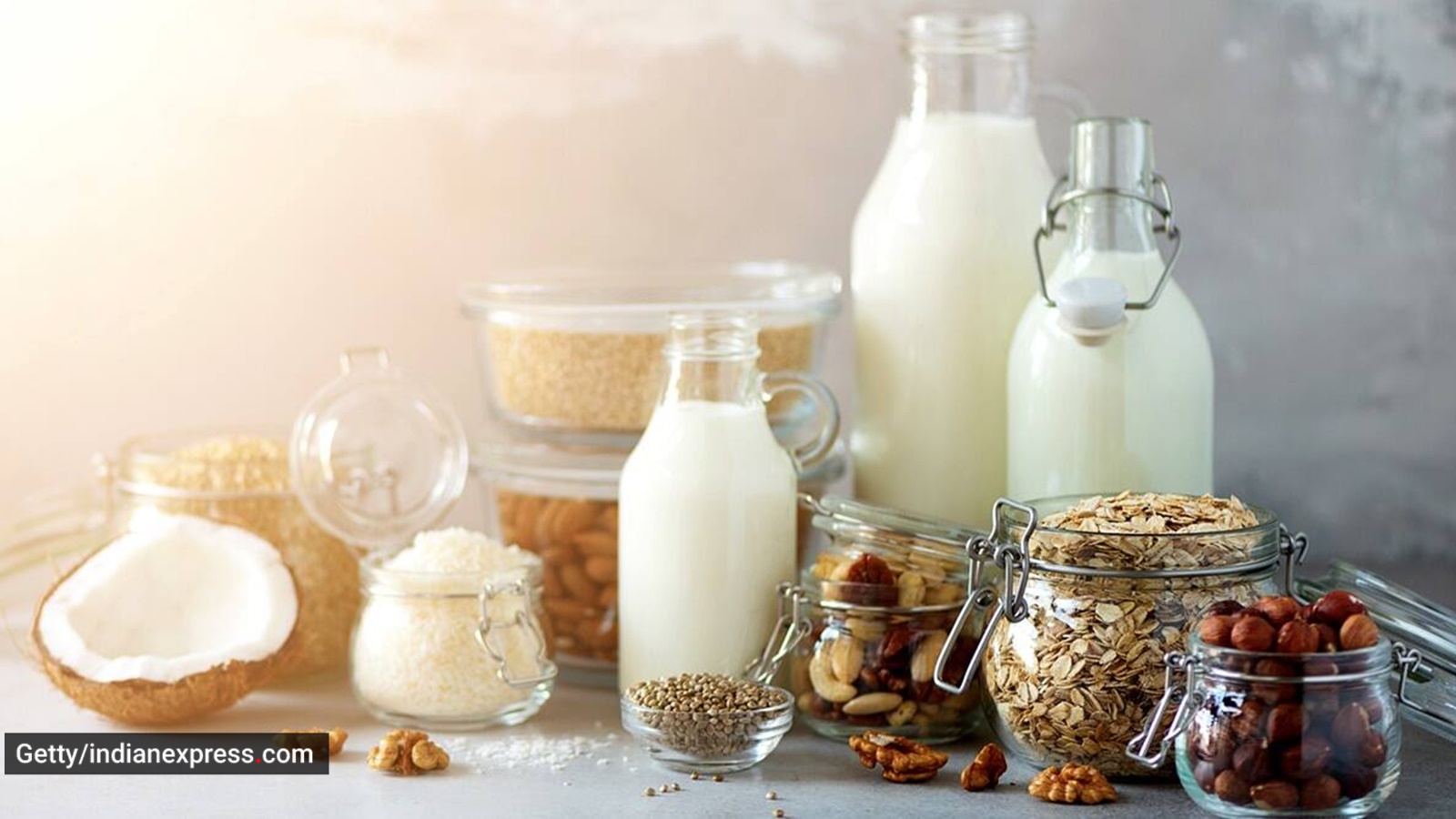 Here’s what you should consider
Analogue dairy refers to products designed to look, taste or perform like dairy foods but may use non-dairy ingredients or substitute some milk components. “They can include products such as cheese analogues, cream substitutes and other dairy-like preparations. The term analogue dairy does not automatically mean that a product is unsafe or unhealthy. The concern is more about consumers knowing what they are actually eating and whether the product matches their nutritional expectations,” said Zamurrud Patel, chief dietitian, Gleneagles Hospital Parel.
Story continues below this ad
Some analogue products may use vegetable fats, starches, flavouring agents and other ingredients instead of or in place of milk fat or milk proteins. “Depending on the formulation, they may provide less protein or calcium than conventional dairy, while some may contain higher amounts of saturated fat, sodium or added ingredients. This is why consumers should not judge a product only by its appearance or taste. Hence, read the ingredient list and nutrition information before purchasing such products,” Patel told indianexpress.com.
If you are choosing a dairy-like product, check whether it contains milk, milk solids or milk protein, and look at its protein, saturated fat and sodium content. “People should also be careful about assuming that a product labelled as cheese, cream or butter is nutritionally identical to the traditional dairy product. Reading the label helps consumers make an informed choice rather than relying only on price, appearance or taste,” said Patel.
Should vegans and those who avoid dairy be concerned?
Dt Amreen Sheikh, chief dietitian, KIMS Hospitals, Thane, emphasised that it is not certain. “On the contrary, clearly labelled plant-based alternatives can be of use to vegans and to those who deliberately avoid animal-based dairy. The key point is to distinguish between a product which is actually formulated as a plant-based alternative and one which is being marketed as conventional dairy even though it isn’t. Consumers should be able to see the ingredients and make their own choice,” said Sheikh.
It is especially important to realise that lactose intolerance and a milk allergy are not the same. “A person who is lactose intolerant might be able to tolerate some lactose-free or low-lactose products, whereas someone with a milk-protein allergy will probably have to avoid milk proteins completely. They must not suppose that a product marked ‘analogue’ or ‘plant-based’ is therefore automatically appropriate and it is essential to check the ingredient and allergen list,” clarified Sheikh.
Story continues below this ad
What ought consumers to attend to when they are ordering food?
The best course of action is not to form an opinion about a product on the basis of its name or its appearance. “When ordering at a restaurant, it is important to check the ingredient and allergen information. In such cases, if the menu merely states “cheese” or “paneer”, customers should be able to understand exactly what they are being given,” shared Sheikh.
Should people avoid analogue dairy completely?
There is no reason to be fearful. The main point is transparency. “Whatever type of product someone decides to eat whether it’s dairy, plant-based alternatives or analogue products: they should know what they are consuming. When it comes to everyday nutrition, attention should be paid to the overall quality of the diet, to making sure there is enough protein and calcium and to choosing foods carefully rather than just assuming that one type of product is better or worse than another,” said Sheikh.
‘Analogue dairy has been trending on Google for the past 24 hours.’


Apple Pay comes to India after 12 years: How it works, what users need to know
By Sohail Khan · 30 Sep