AI and traditional farming can coexist: Google executive on Indian agri models
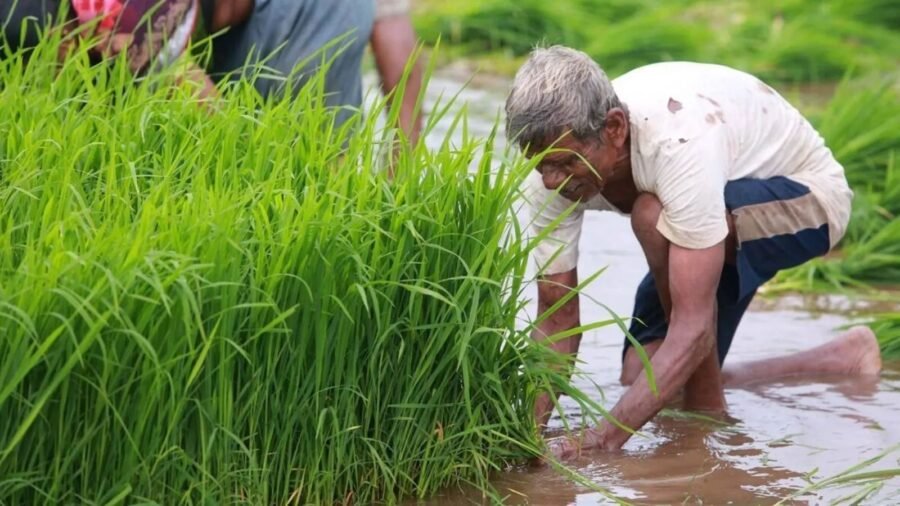
For centuries, farmers in India have made decisions about weather, demand, prices, input quality, market conditions, and pesticide use based on traditional metrics and short-term historical forecasts. While this approach is not disappearing, artificial intelligence is becoming increasingly central to agricultural decision-making. In fact, for today’s farmers, AI literacy is becoming nearly as important as agronomic knowledge itself.
The first sign of this change is the growing presence of AI in India’s agricultural landscape, as the sector undergoes a subtle transformation that many have yet to notice.
“I think technology has a very important role to play in a country like India, which is data-scarce,” Alok Talekar, lead for agriculture and sustainability research at Google DeepMind and the leader of its AnthroKrishi team, told indianexpress.com in an interview.
“Historical government records and policies are always designed at the district level. They are never designed for the individual farmer—to what this particular farmer needs, whether it is a particular fertiliser or something else. Being very precise, targeted, and pinpointed has not been possible due to technological gaps. So, the kind of technology our team and I are building enables that. It makes things far more cost-effective.”
Talekar and his team at Google DeepMind have developed two artificial intelligence (AI) models that generate agricultural insights at scale. The AnthroKrishi team employs a sophisticated dual-layer AI system that maps fields and identifies crops, with frequent updates. The first layer segments fields, trees, and water bodies using 15 years of satellite imagery, refreshed every 6 to 12 months to maintain an up-to-date understanding of the landscape.
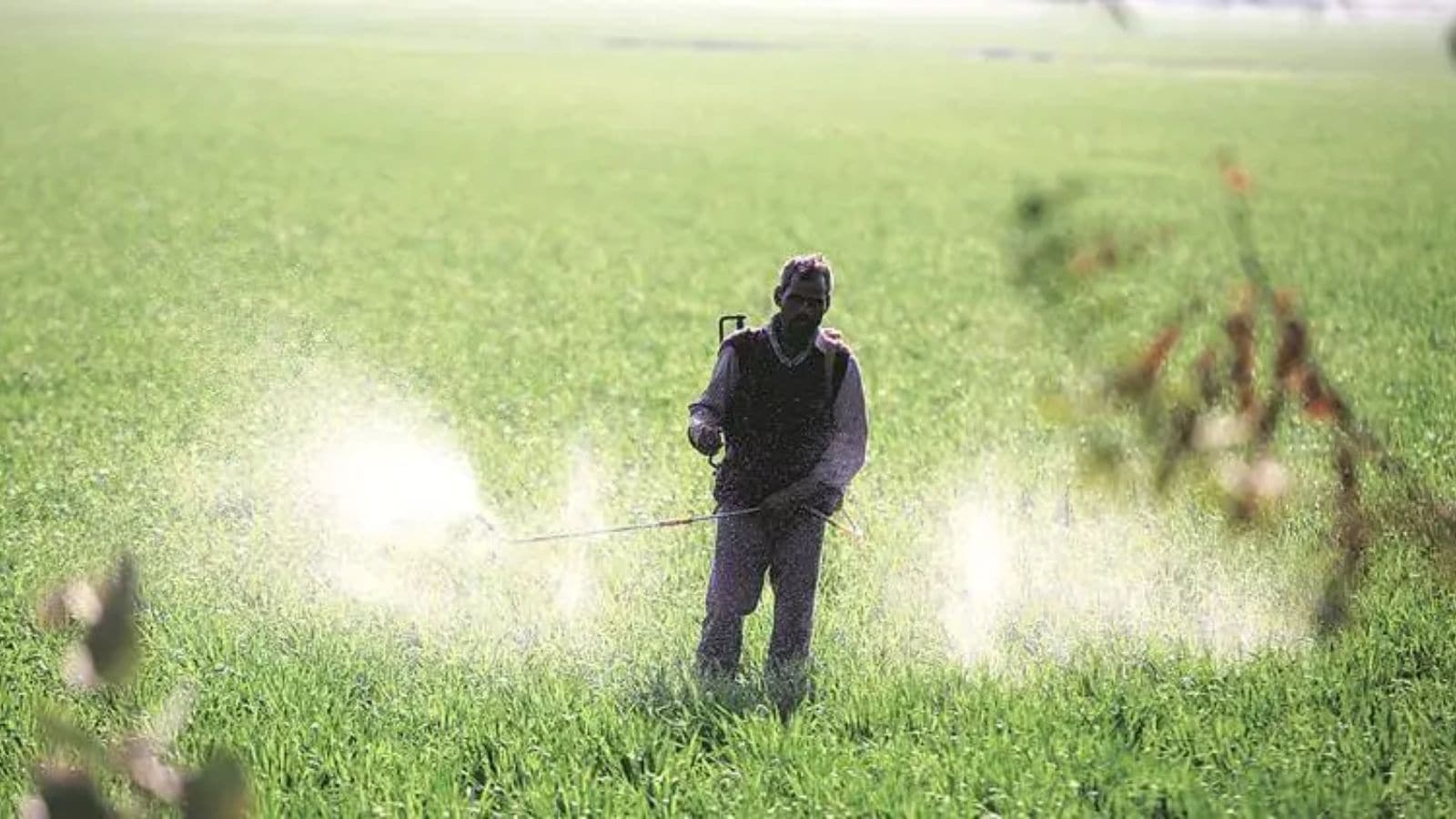 India needs an agricultural AI model that puts farmers and their needs at the centre.
The second layer tracks crop types, sowing, and harvesting stages across 12 crops, leveraging six years of data refreshed twice a month to provide near-real-time crop monitoring. These datasets are accessible via APIs and visual layers integrated into Google Earth, despite the coverage being limited to India.
The development of India-first AI models for agriculture reflects a broader transformation in how frontier technologies, particularly AI, can be applied to redefine farming in India. Talekar agrees that India’s agriculture sector has yet to see a transformative impact on the scale of Aadhaar or the Pradhan Mantri Jan Dhan Yojana (PMJDY). However, he hopes to see a radical shift driven by artificial intelligence and technology adoption, especially since agriculture has traditionally suffered from significant information gaps.
Story continues below this ad
Part of that reflects how deeply AI is now being woven into agriculture, at a time when farmers are under increasing pressure from weather uncertainty and climate change, while facing increasingly constrained land and water resources and the challenge of feeding a growing population.
AI can serve as an important aid in addressing several challenges faced by India’s farmers. The technology, which is advancing rapidly and being adopted across other sectors, promises to help tackle many of these challenges – from predicting weather and crop diseases to improving input use and market intelligence, reducing costs, and encouraging more environmentally sustainable farming practices.
“The base layers that we are building using satellite imagery enable that. They are not sufficient, but they are necessary to build these digital agricultural layers for the government and enable governance reforms in these areas,” he said.
“I think what we are building is not opposed to traditional practices in any way. Our main role here is to provide information. We are not trying to influence actions one way or the other; we want to support effective decision-making. Whatever decisions people want to make should be data-driven. We want to push in that direction because that is, in a sense, the most efficient way for governance to work,” Talekar said when asked whether traditional farming methods and new agricultural AI models can coexist.
Story continues below this ad
Talekar stressed that AI can serve as an important enabler of information to support farmers’ decision-making. He noted that, at times, some traditional practices may harm crops and the environment, particularly when farmers rely too heavily on age-old methods. “When you flood rice fields, that leads to the overexploitation of water resources. It can contribute to long-term desertification and also have a negative impact on the environment,” he said.
Perhaps the most underrated aspect of Indian agriculture is the valuable data it generates through satellite imagery, crop surveys, land records, weather observations, credit and insurance records, and government programmes. As AI integrates agricultural data more deeply, control over that data will increasingly shape economic value and bargaining power.
Bringing AI into agriculture enables real-time detection, automated responses, and large-scale data analysis, allowing risks to be identified and mitigated faster than traditional approaches allow. Talekar stresses the need to reimagine agriculture rather than displace farmers, as technology can help reduce costs and improve the ability to predict input needs and expenses.
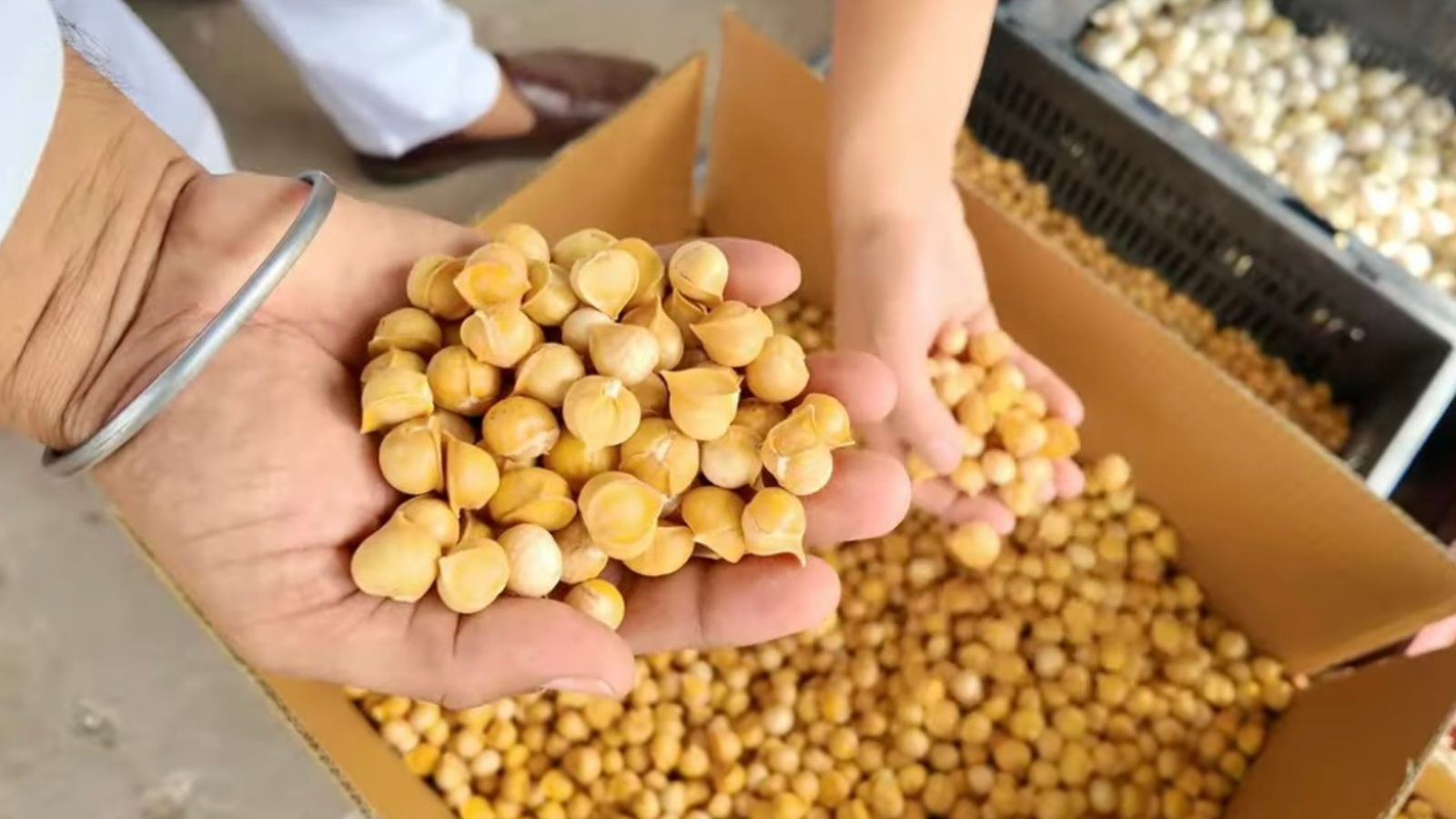 Short-term weather forecasts are the most familiar tools for farmers in India.
Challenges in scaling frontier agriculture
While frontier technologies such as AI offer immense potential to transform farming and agriculture, their adoption can be challenging in a country like India. The bigger question, however, is how AI can address structural challenges such as low productivity, high input costs, and climate vulnerability.
Story continues below this ad
“With our datasets and capabilities, we treat every farm equally. We have metre-scale resolution, so we can identify both the smallest and largest farms with equal precision. We can therefore provide this data to partners, governments, and others. They are then able to equitably provide solutions and services to farmers irrespective of whether they are smallholders or largeholders,” he said.
In this way, the use of satellite data enables the identification of every farm, regardless of size, helping to prevent bias toward large landowners. This equitable access to data enables governments and partners to deliver services more fairly and reduce the power imbalances common in manual surveys. The approach also supports climate resilience by identifying vulnerable fields and enabling targeted interventions.
That being said, challenges remain around data quality, adoption, and the growth of the broader ecosystem. However, Talekar remains optimistic about the strong potential of India’s agri-tech landscape.
“There are many challenges, such as data quality. How do you evaluate these models? There are also challenges around the level of technological sophistication in agriculture. Agriculture has historically not been deeply connected to technology, so there are capacity challenges in technological awareness. In many ways, when we partner with governments, private companies, and non-profits, we try to provide tools that are not just APIs but also visual layers, so that users can manually inspect the data as well,” he said.
Story continues below this ad
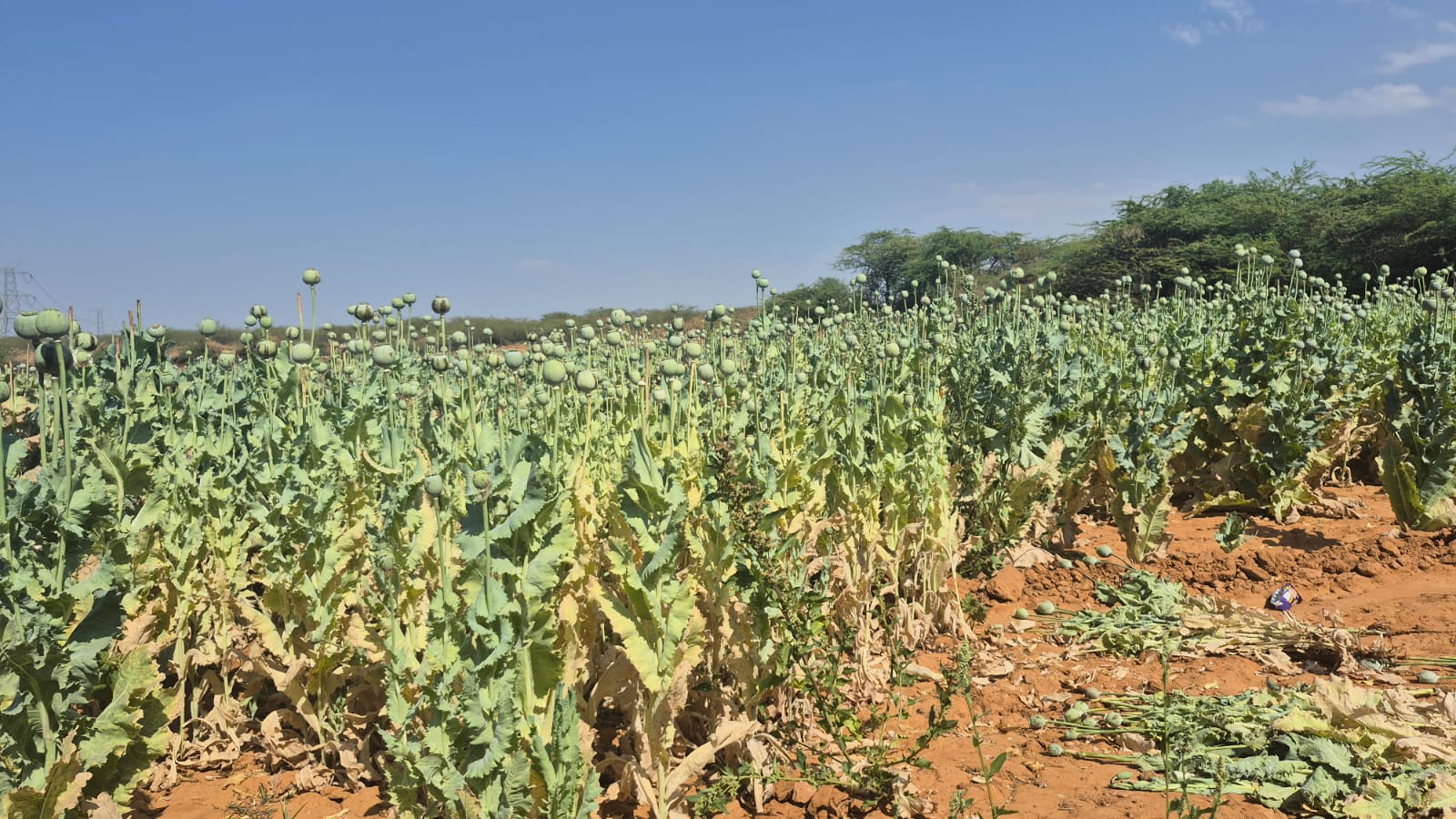 Agricultural Landscape Understanding (ALU) and Agricultural Monitoring & Event Detection (AMED) use satellite imagery to map agricultural field boundaries and monitor agricultural activity.
Partnerships leverage data for agri digitisation
Talekar and his team are also leveraging partnerships to use agricultural data for land digitisation, sustainability, and advisory services.
Terrastack, an IIT Bombay startup, uses data to digitise land records and to support farmers’ access to formal credit. “They have used our data to enable multiple things such as the digitisation of land records, which involves reconciling the historical ownership records that governments have and digitising them using our model outputs.”
“Our data does not contain any personal information—no person’s name, phone number, or anything else. None of that information is with us. We are doing this entirely based on satellite imagery, using latitude and longitude coordinates and other information to identify locations. IIT Bombay and TerasTech have built algorithms to combine this data with ownership records. They have also demonstrated use cases for using this data to help farmers access formal credit.”
CarbonFarm, on the other hand, is a France-based company that uses Gemini and other model outputs to monitor flooded rice fields and issue carbon credits, especially in Andhra Pradesh.
Story continues below this ad
The models are also being integrated into public-sector digital agriculture initiatives. In Telangana, the Agriculture Data Exchange (ADeX) platform is using ALU and AMED as part of its efforts to support innovations that serve more than 5 million farmers. Karnataka’s Water Resources Department is combining ALU and AMED with localised weather and remote-sensing data to support dynamic water management across the state’s 2.6 million hectares of irrigated land.
 Alok Talekar is the lead for agriculture and sustainability research at Google DeepMind.
India-first data infrastructure offers near real-time insights
“The sort of capabilities that we have built in India, for India, don’t exist anywhere else. I can tell you that no country has this today nd and all of this is freely available and accessible to partners. The closest example is probably the US Department of Agriculture, but it provides this data a year after the agricultural season is over, as a post-facto analysis. In contrast, we are able to provide this data in-season. As the agricultural season is ongoing, we refresh the data every 15 days,” Talekar said.
The models are now serving eleven countries in Asia Pacific and Africa, aiming to become foundational agricultural data layers globally. “I think, over time, what you will see is that these layers will likely become the primary layers for everyone interacting with the agricultural ecosystem to find value. Just like you and I use, say, Google Maps to navigate anywhere,” he added.
With roughly 50 per cent of the population dependent on agriculture and digital infrastructure developing rapidly, India also needs to build a robust agricultural ecosystem rather than simply becoming an AI market for large corporations.
Story continues below this ad
Talekar pointed out that the agricultural data layers built for India are unique globally and provide a foundation for scaling advanced tools. “India leapfrogged all of those generations immediately in a very short span. The example is India’s success with digital payments. Similarly, what you will see is that India will likely leapfrog many generations of technology on the agricultural front as well,” he said.

5 gadgets I recommended to help my friends build the perfect WFH setup
By Sohail Khan · 4 Oct
Who is Jay Clayton, a Trump loyalist tapped as new US AI czar?
By Sohail Khan · 4 Oct
Amazon promises more local funding and less secrecy around data centers
By Sohail Khan · 4 Oct