A national party with no presence in Parliament: The shrinking of the BSP
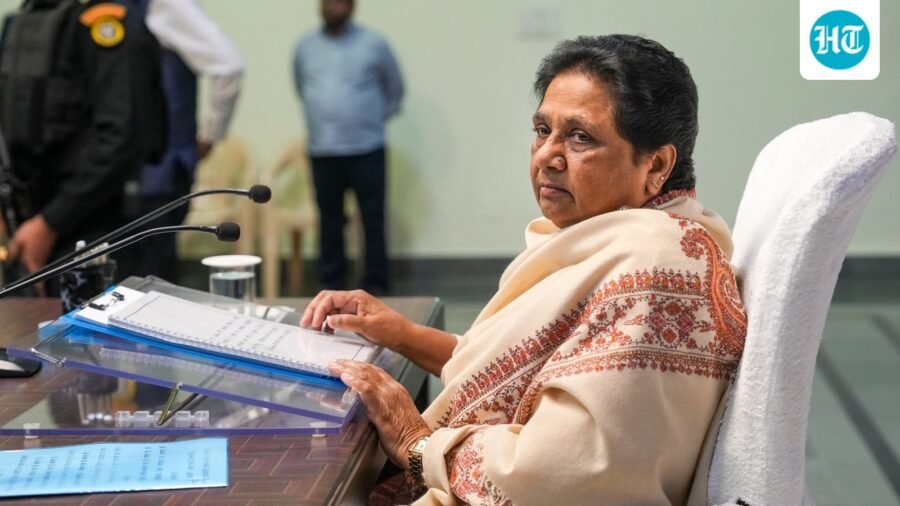
The BSP was formed in 1984 by Kanshi Ram to give political heft and representation to the Dalits.
Updated on: Sep 23, 2026, 06:59:00 IST
Prefer HTon Google
Share via
Copy link
The Bahujan Samaj Party (BSP) will have no member in the Rajya Sabha after November 25, when the six-year term of its lone MP, Ramji Gautam, will come to an end.
The party already has no presence in the Lok Sabha. It will be for the first time since its Parliament debut in 1989 that the BSP, which emerged as a regional satrap and eventually attained national status, will have no representation in both Houses of Parliament.
The BSP was formed in 1984 by Kanshi Ram to give political heft and representation to the Dalits. He expounded the idea of "jisiki jitni sankhya bhaari, uski utni hissedari" (the greater the numbers, the greater the share in power).
On Tuesday, the Election Commission (EC) announced elections to 10 vacant Rajya Sabha seats from the politically-significant and poll-bound Uttar Pradesh.
While the BSP’s lone lawmaker is on the list of retirees, there is no possibility of the party getting another member in the Upper House because it lacks the numbers in the state assembly.
The Bharatiya Janata Party (BJP), on the other hand, is comfortably set to win eight of these 10 seats and the Samajwadi Party, the remaining two.
After the death of Uma Shankar Singh – a three-term MLA from Rasra constituency in Ballia – in August, the BSP no longer has a single legislator in the 403-member assembly.
The 2012 UP assembly elections marked the turning point in the BSP's decline. This was when the party’s tally fell from 206 seats to 80 and it was ousted from power. In the previous assembly elections, the BSP had won an absolute majority with 206 legislators in the 403-member assembly. Mayawati went on to become the chief minister for a fourth term.
Nationally, the shrinking of the BSP began in 2014, when the BJP – with 303 lawmakers – went on to form the government with a brute majority. The BSP, which had won 21 seats and 6.17% vote share in the 2009 Lok Sabha polls, failed to win a single seat although its vote share stood at 4.19%. The BJP’s huge win in UP – bagging 71 of the 80 LS seats – was also attributed to the shift in the Dalit vote from the BSP to the party.
In the subsequent Lok Sabha elections, the BSP showed signs of revival. It performed well in the 2019 general elections as part of the opposition’s Mahagathbandhan bloc (which included the SP and Rashtriya Lok Dal) but again faced a drubbing in the 2024 polls, when it chose to remain unallied with both the BJP-led National Democratic Alliance (NDA) and the Congress-led INDI alliance.
In 2019, the party won 10 seats with a vote share of 3.67% but in 2024, it failed to win a single seat and its vote share fell to 2.06%.
The continuous decline of the party has raised questions about its hold over its core vote bank – the Scheduled Castes (SC), particularly the Jatavs. As the assembly elections in UP draw near, the battle for the SC vote has intensified with the BJP, SP and the Azad Samaj Party (Kanshi Ram) competing for their support. The SC vote bank is estimated to be 21% in UP, of which the Jatavs alone are estimated to be over 54%.
The BJP is making overtures towards the non-Jatav Dalits, the core vote bank of the BSP, in a bid to prevent the Dalit vote from consolidating.
The BSP’s problems have been exacerbated by the impending review of political parties’ status by the Election Commission. The BSP could lose its national party status since it does not meet the criteria laid down by the poll body, which carries out the review periodically.
To be denoted a national party, a political outfit must have at least 6% of the total valid votes in four or more states in the last general elections and at least four MPs; or win at least 2% of the seats in the Lok Sabha, with the winners being from at least three states; or be a recognised state party in at least four states.
See Less
7 hours of terror: Man kills wife, priests and son in UP hostage drama; shot dead by police
By Sohail Khan · 23 Sep

Leave a Reply