4 Indian places where water shapes everyday life
India’s diverse landscape is home to settlements where water is much more than a scenic backdrop. For some communities, lakes and rivers are roads, workplaces and sources of food; for others, homes and agricultural spaces have evolved around constantly changing water levels.
From Manipur’s floating phumdis to Kashmir’s lake settlements and Assam’s river islands, these places offer a glimpse into lifestyles shaped by water.
1. Loktak Lake, Manipur
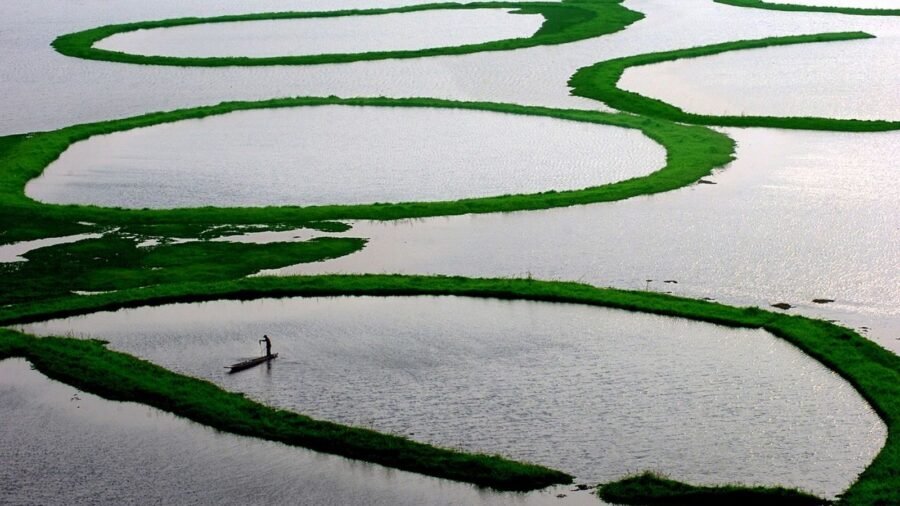
If one landscape in India most closely resembles a floating world, it is Loktak Lake in Manipur. The lake is known for phumdis — floating masses of vegetation, soil and organic matter that have accumulated over time. Fishing communities have traditionally used these waters for their livelihoods, with small huts and boats scattered across parts of the lake.
Story continues below.
Subscribe to see fewer ads.
Loktak is also home to Keibul Lamjao National Park, the world’s only floating national park. The protected area sits on the lake’s phumdis and is famous for the endangered sangai, or Manipur brow-antlered deer.
2) Dal Lake, Srinagar
Srinagar’s Dal Lake is best known for its houseboats and shikaras, but the lake is also closely intertwined with the lives of communities that live and work on and around its waters. Floating gardens grow vegetables, and boats transport the produce to markets. Early-morning vegetable markets on the lake are among the most distinctive experiences for visitors.
Houseboats, shikaras, fishing and water-based cultivation have together created a way of life that is difficult to separate from the lake itself.
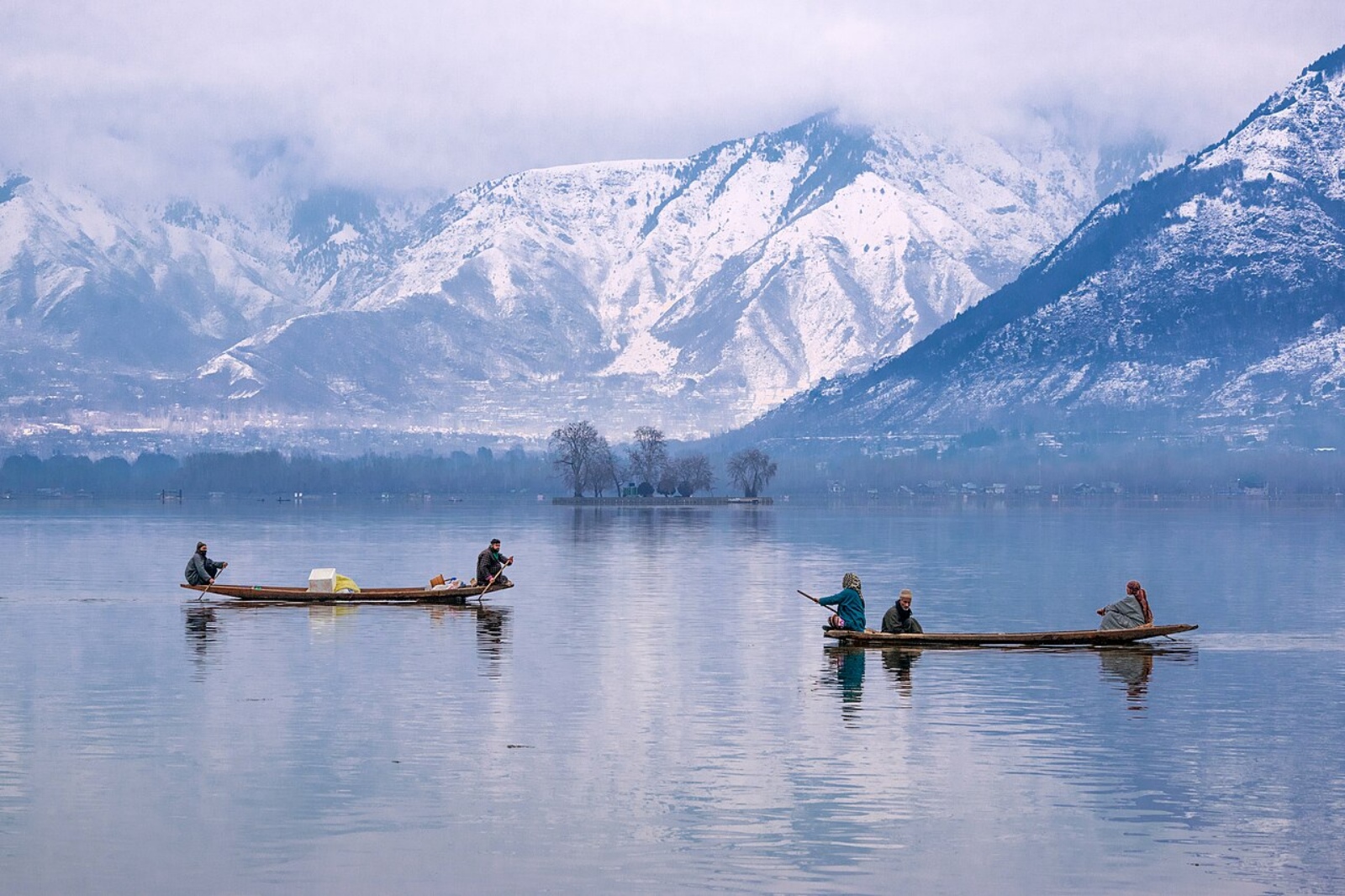 Dal Lake and Char Chinar
3) Majuli, Assam
Majuli is technically a river island rather than a floating village, but its existence is deeply tied to the Brahmaputra. Located in Assam, the island has long been home to communities whose lives have adapted to the river’s seasonal flooding, erosion and shifting channels. Agriculture, fishing and boat transport remain important parts of life.
Story continues below this ad
The island is also an important centre of Assamese Vaishnavite culture, with its Satras and traditions of mask-making, music and performing arts.
4) Sundarbans, West Bengal
In the Sundarbans, villages exist within one of the world’s largest mangrove delta systems, where rivers, creeks and tidal channels dominate the landscape. It isn’t a floating village in the literal sense. Instead, it shows communities adapting to a landscape where the boundary between land and water is constantly shifting.
Boats are an important means of transport in many parts of the region, while fishing, crab collection, honey gathering and agriculture support local communities. Life here is also shaped by the challenges of living in a tidal landscape. Cyclones, flooding, erosion and increasing salinity can affect homes and livelihoods.

Biotechnology and healthcare: where we are in India, and where we need to go
By Sohail Khan · 17 Sep
Akanksha Chamola’s Mumbai home has a warm, lived-in charm — see Inside
By Sohail Khan · 17 Sep
Fitness trainer goes 13 days without food, says ‘could feel water churning in my stomach’
By Sohail Khan · 17 Sep
Leave a Reply