What ‘food divorce’ could mean for your relationship
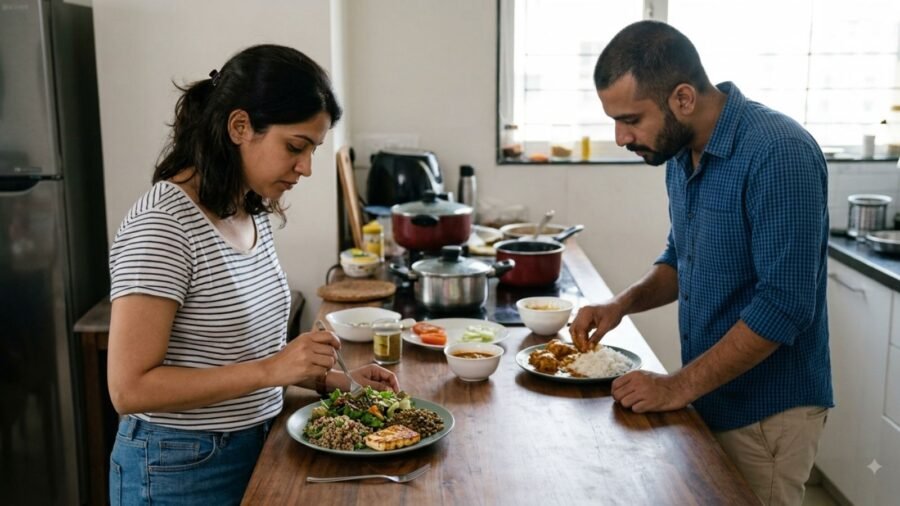
Food is often more than just nourishment for couples. Shared meals can become part of a relationship’s daily rhythm, offering time to reconnect, talk about the day and simply be together. But as people adopt increasingly different eating habits, meal times can also become a source of friction.
This has given rise to the term ‘food divorce’ — not an actual separation, but a situation in which couples living together choose to shop, cook and eat separately because their dietary preferences, schedules or food choices repeatedly clash. One partner may be following a high-protein or weight-loss diet, while the other prefers a different style of eating, making a shared meal harder to navigate.
Changing attitudes towards fitness, weight management, and eating patterns are also shaping the trend. Differences such as vegetarian and non-vegetarian preferences, restrictive diets, appetite changes, and hectic schedules can mean partners no longer eat the same food at the same time. For some couples, eating separately may seem like a practical way to reduce arguments around food, but it also raises questions about what happens to the emotional connection built around shared meals.
This can be particularly relevant in India, where eating together has traditionally been closely associated with family bonding. So, when food becomes a recurring source of disagreement between partners, is creating separate meal routines a healthy compromise or could it unintentionally create emotional distance? We spoke to a mental health expert to understand where couples can draw that line.
What can repeated food conflicts reveal about a relationship?
Counselling psychologist Athul Raj tells indianexpress.com, “When food repeatedly becomes a source of conflict, I would look beyond the food itself. An argument about ordering takeout, eating late or following a particular diet can sometimes carry a very different emotion. One partner may feel their preferences aren’t being considered, while the other may feel judged, monitored, or controlled. Food is also tied to comfort, family habits and the ways we have learnt to experience care, so people can have stronger reactions to it than they realise.”
If the same argument keeps returning, Raj notes, with different foods but the same frustration underneath, there may be a larger issue around consideration, autonomy or resentment. The real question is whether two people can have different preferences without making the other person feel wrong for having them.
Story continues below this ad
Can eating separately affect emotional intimacy?
Eating separately can sometimes be a perfectly healthy arrangement. Raj shares that couples may have different work schedules, dietary needs or simply very different tastes. There is no reason every meal needs to become a negotiation. But he suggests paying attention to what happens to the relationship around that arrangement.
“Meals are often one of the few unstructured parts of the day when couples naturally talk, share what happened and sit with each other. If separate meals also mean fewer conversations, less time together or a general reduction in shared routines, then the issue may no longer be about food. Another sign is when one partner actively avoids eating together because they do not want to deal with the other person. That suggests avoidance rather than convenience,” notes Raj.
How can couples maintain different diets while preserving connection?
Quick Quiz
See if you can answer this:
How can couples maintain different diets without losing a sense of connection?
A. Make both partners follow the same diet.
B. Avoid eating together whenever their food choices differ.
Story continues below this ad
C. Respect each other’s food choices while creating shared moments that do not depend on eating identical meals.
D. Encourage the partner with the less healthy diet to change their habits.
Reveal the answer
✅ Correct answer: C
Couples do not need to eat the same foods to remain close. They can create shared moments through morning tea, weekend cooking, occasional meals out or a walk after dinner, even when their individual meals are different. It is also important to avoid labelling a partner as “unhealthy”, “undisciplined” or “careless” because of their food choices. The goal is not dietary sameness but being able to make different choices while still feeling respected, considered and connected.

Sussanne Khan says she felt ‘more love’ for Hrithik Roshan’s mother after losing her own
By Sohail Khan · 28 Sep
COP31 hosts Australia and Türkiye face the fossil-fuel question
By Sohail Khan · 28 Sep