Vast swathes of farmlands still short of rain despite late spells
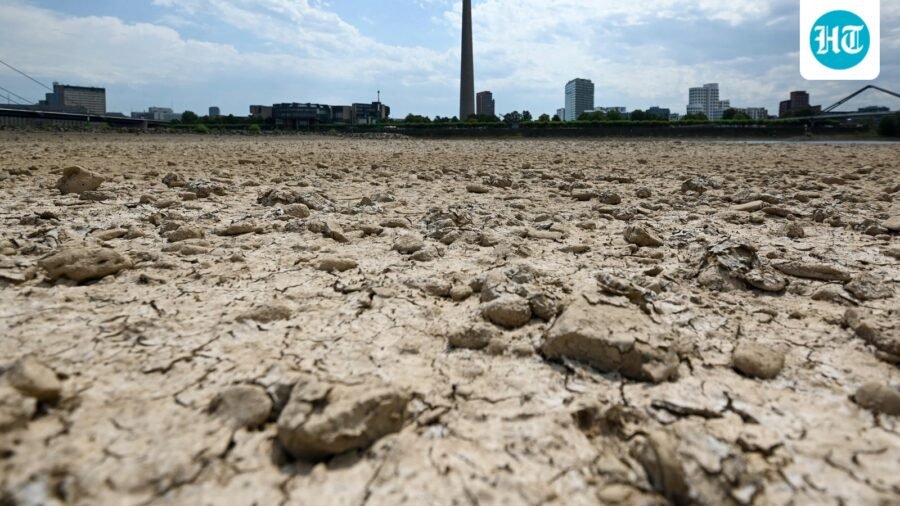
Rainfall recovery has eased the overall monsoon deficit, but 117 of 262 districts flagged for weak-monsoon vulnerability
Updated on: Aug 21, 2026, 13:09:21 IST
Prefer HTon Google
Share via
Copy link
Nearly half of the 262 districts the Centre identified as vulnerable to a weak monsoon continue to face rainfall deficiency, despite a sharp recovery in July and the first half of August, raising concerns over crops in areas with limited irrigation and high dependence on rain, an analysis of Agriculture Ministry and India Meteorological Department (IMD) data showed.
Nearly half of vulnerable districts still face rainfall deficit
Of the 262 districts identified for focused monitoring ahead of the kharif season, 117 are currently deficient or large deficient, while 144 have received normal or better-than-normal rainfall. One district has no cumulative classification in IMD data.
Under IMD norms, rainfall is classified as deficient when it is 20-59% below the long-term average and large deficient when the shortfall is 60-99%. Normal rainfall is between 19% below and 19% above the long-term average.
The Centre’s list, however, was not intended to predict which districts would receive deficient rainfall. It was based on factors including rainfall probability, irrigation coverage and cropped area to identify districts with greater underlying exposure to a weak monsoon.
Monsoon recovery loses momentum as August deficit persists
The finding comes as the overall monsoon picture has again begun to deteriorate after a strong recovery in July. As of August 19, all-India rainfall was 13% below the long-period average (LPA), down sharply from a 40% deficit at the end of June. The deficit narrowed to 13% by the end of July but has remained largely between 11% and 13% in August.
Private forecaster Skymet on Monday lowered its seasonal forecast to 85% of LPA and put the probability of a drought at 70%, from its April forecast of 94%. The IMD had forecast 92% of LPA in April and revised it to 90% in June, when it put the probability of a deficient season at 60%.
Rainfall timing raises fresh concerns for kharif crops
The improvement in cumulative rainfall does not necessarily mean crops are out of danger, as the timing and distribution of rainfall can matter more than the seasonal total, said Biswajit Behera, director at Palladium India.
A district can record normal cumulative rainfall while crops face stress if rain arrives in intense spells followed by prolonged dry periods. This is particularly important during moisture-sensitive stages of kharif crops such as pulses and oilseeds.
Rain-dependent regions face greater crop stress
For paddy, moisture stress during transplanting, tillering, panicle formation and flowering can affect yields. Nabarangapur in Odisha, where irrigation coverage is limited, is a concern with rainfall 31% below normal, Behera said.
Similarly, short dry spells during flowering and pod formation can hurt tur, urad and moong yields in parts of Karnataka, Tamil Nadu and Odisha, as well as Kurnool in Andhra Pradesh, where rainfall is 20% below normal.
Groundnut in Devbhumi Dwarka, meanwhile, faces an 86% rainfall deficit during a critical crop stage, while Kodarma and Hazaribagh in Jharkhand are 49% and 32% deficient, respectively, raising concerns for maize and coarse cereals, Behera said.
Puruliya in West Bengal (-29%) and Sri Satyasai in Andhra Pradesh (-36%) also illustrate the vulnerability of rain-dependent farming areas, where limited irrigation leaves farmers with little ability to withstand prolonged dry spells.
The agriculture ministry did not respond to questions sent by until press time.
See Less

Vande Mataram row: What was Congress’ 1937 resolution?
By Sohail Khan · 21 Aug
KAAPA invoked against Arjun Ayanki
By Sohail Khan · 21 Aug
A deep dive into offbeat Northeast
By Sohail Khan · 21 Aug
Leave a Reply