The radical idea of women who play just for fun
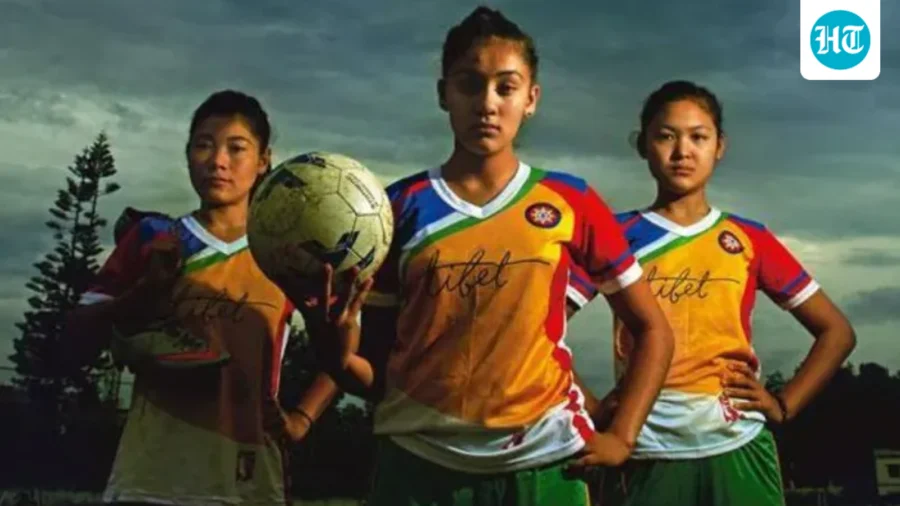
Competitive women’s sport has arrived. What about recreational sport for women?
Published on: Aug 17, 2026, 08:00:26 IST
Prefer HTon Google
Share via
Copy link
To deal with the grief of the sudden death of her husband at the age of 44, Ancy Alexander’s counsellor suggested she try some physical activity. It would, she explained, take her mind off things and release those famously feel-good endorphins that would help her better cope with her sense of loss.
This is how, aged 37, Ancy found herself googling football for adult women for the first time in her life. She had never played any sport, not even as a schoolgirl. But her husband Aneesh Ananth had been athletic and enthusiastic, playing cricket and watching tennis and football. Watching with him, Ancy began to understand and appreciate the nuances of the game.
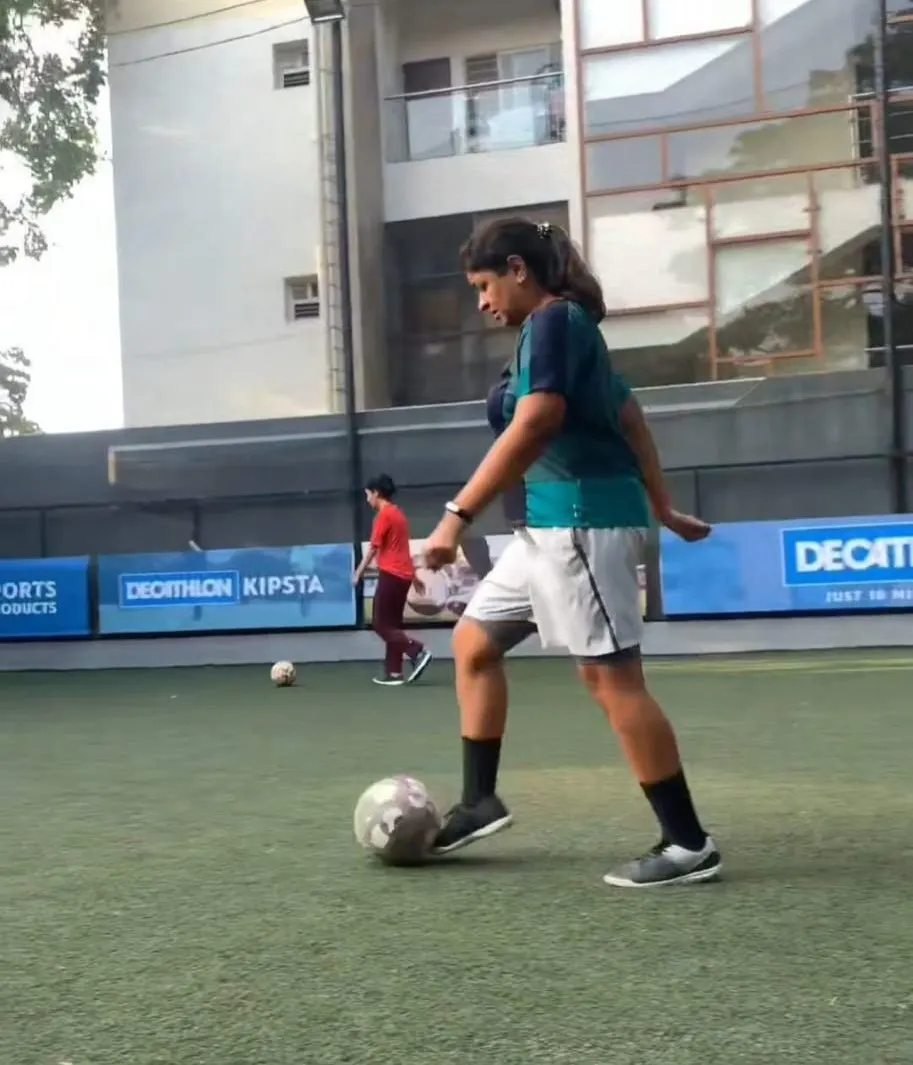
So, when she was advised to take up physical activity she thought, why not honour his memory with football? “It would have given him such a kick to have seen me play,” she said on the phone from Bengaluru where she works as a software engineer.
The Google search eventually led her to Sisters in Sweat (SIS), an organisation set up to promote the somewhat radical concept—in much of South Asia at least—of women playing sport for fun. Set up eight years ago by Swetha Subbiah, a former national hockey player and a Nike-certified instructor and Tanvie Hans a national-level football player, SIS came about when a group of women wanted to get together to play football. “It was about coming together, having fun and breaking into a sweat,” said Swetha. That first session for 17 women in November 2017, supervised by a fitness instructor and followed by breakfast, proved to be such a hit that the women said they wanted a repeat every weekend.
What began as a Whatsapp group where sessions would get booked within minutes of being announced, is now more organised with multiple sport formats including basketball, pickleball, swimming, tennis, a run club, and yoga and pilates. It has a presence in seven cities and a community of over 12,000 women and girls aged 16 to 60, said Kriti Kanthi, chief operating officer at SIS.
The problem wasn’t so much that girls and women didn’t want to play; the problem was access to sport at turfs are dominated by men. Women like Ancy who were playing for the first time were self-conscious and intimidated by the idea of playing with men. “For many women, the barrier to movement is confidence and belonging,” said Kanthi.
Some come because they want physical activity, others to escape from their day-to-day routines. Many feel seen and empowered. “The life of an Indian woman can be fairly scripted, leaving her with very little decision-making power. But with sport they get to decide where to hit the ball. They are seen. They get called by their names,” said Swetha. “It’s like they’re getting their identity back.”
Go girls!
If organised recreational sport for women is making its tentative beginnings, then competitive women’s sport has had more than a moment in recent times.
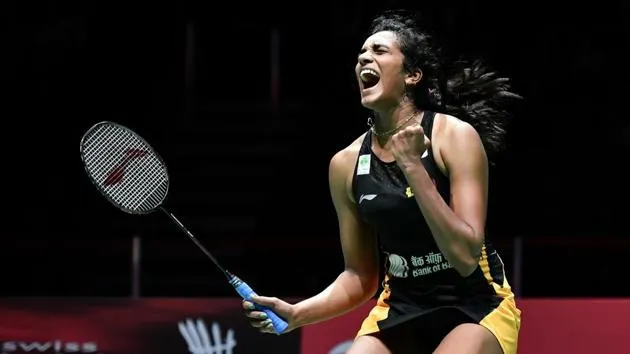
It’s not just women’s cricket where the team won the 2025 ICC World Cup and, this summer, made history with a 270-run victory over England in a one-off Test at Lord’s. It’s not just Shafali Verma who began playing cricket for her local team in Haryana by disguising herself as a boy because “girls didn’t play”. It’s a whole generation of Manu Bhaker (shooting), P.V. Sindhu (badminton) and Lovlina Borgohain (boxing) who are now inspiring a new generation of girls to take up sport.
Proof and validation of this new generation could be seen at the recent Commonwealth Games in Glasgow where women took eight of the 13 gold medals won by India.
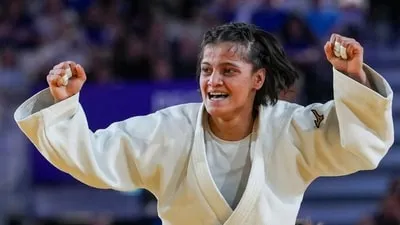
On the podium was 23-year-old Asmita Dey, the medal around her neck marking an end to India’s wait for a gold since 1990 when judo was introduced in Auckland. But it also marked the end of a personal journey of the daughter of a cycle mechanic who earned barely ₹300 a day who took loans to attend camps overseas. “I am from a very small village in Tripura. People there don’t dream this big,” she said.
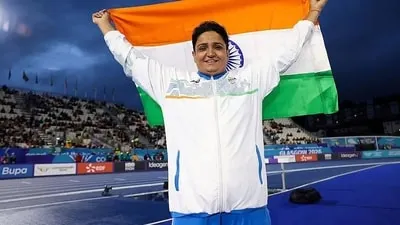
Equally powerful is the story of Sharmila Dhanker who won gold in para-athletics shot put. Born into a poor farming family in Haryana, afflicted with polio as a child, she was married young to an abusive man and eventually returned home with her two daughters. It was her second husband Ajit Singh who came up with the idea of taking up para-athletics, specifically shot put. “I’d never played any sport,” she told Sportstar. “I was also 34 years old. I was going to start at an age where everyone else was ending their career.”
Just play
Whether playing professionally in the hope that a medal will lead to a steady job and financial security or playing for fun, women’s sport is growing.
There is no longer any debate that for women and girls, sport is the key to identity, confidence and a sense of self. “When we invest in women through sport, we are not simply creating athletes. We are nurturing confidence, courage, leadership and the quiet belief that no dream is out of reach,” said shooter Abhinav Bindra who won India’s first ever individual Olympic gold medal in Beijing, 2008. “That changes far more than sport. It changes a nation.”
A report by EY found that 94% of C-suite women had played sport as girls and young women. Sport is linked also to better grades in school, stronger career prospects and delayed pregnancy, according to UN Women.
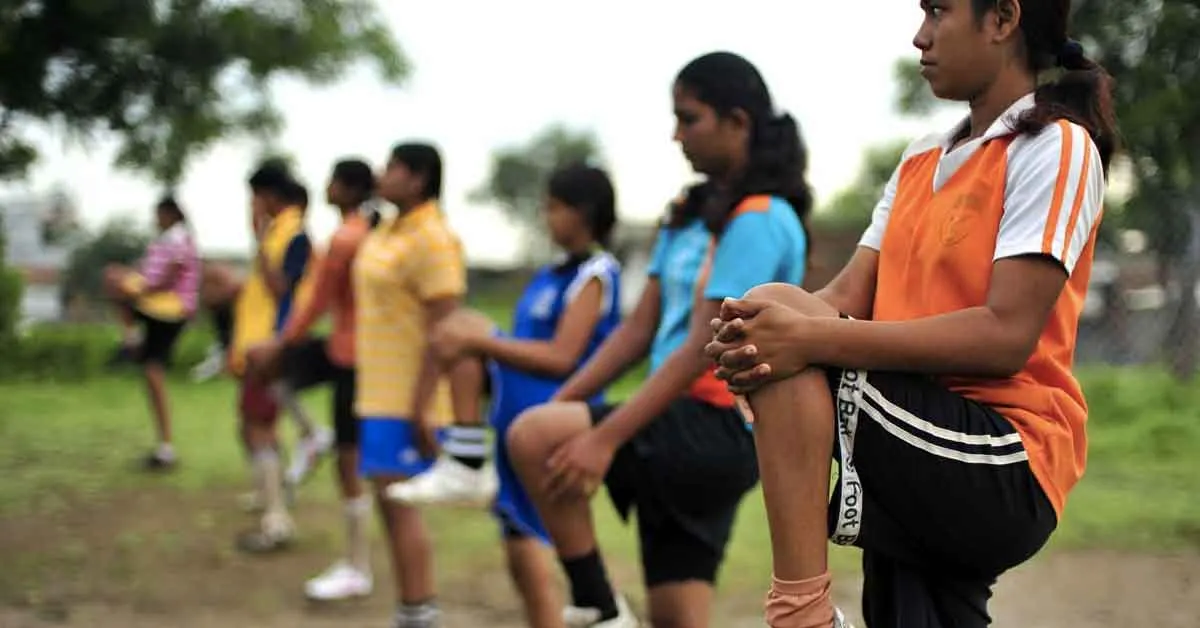
And, yet, girls drop out of playing sport at twice the rate of boys. A study by Women in Sport suggests more than one million teenage girls “fall out of love” with sort after a certain age due to several factors including fears of being evaluated by others, a lack of confidence and an overwhelming feeling of uneasiness outside.
In India, the sight of women and girls who play for fun, kicking a ball at their neighbourhood park, remains rare despite the success of women in competitive sport in recent years. Stereotypes, lack of confidence and inadequate infrastructure, including clean loos, all play a role in why women don’t play, said Swetha: “Once girls leave college, their access to sport is abysmal.”
And yet, there are signs of change. Nandita Anand’s Ready Set Girl is a digital community and resource platform focused on women’s sport and athletes that challenges the assumption that when we talk about sport, we mean men’s sport. Like SIS, Ready Set Girl aims to build a community of women and girls who want to play. It’s not easy said Anand. Apart from running, most traditional sports require basic infrastructure, a pitch for instance.
But perhaps the biggest drawback is a mindset that looks at a larger goal—a medal, playing for the state or the country—rather than the simple pleasure of playing for fun, to have a bit of competition, to build your own community, and to have a space where for a few hours a week you can just be a woman who wants to kick a ball, unmindful of the expectation that girls should stay home, because sport is not “for girls.”
The medal is only the visible reward. For the woman who plays simply because she wants to, there need be no medal at all. The real victory is the freedom that sport gives women—to occupy public space, to learn, to travel, to make decisions, and to be heard.
Get Current Updates on India News, Elections 2024, Lok sabha election 2024 voting live , Karnataka election 2024 live in Bengaluru , Election 2024 Date along with Latest News and Top Headlines from India and around the world.
See Less
Rishi Sunak, Ro Khanna, Dinesh D’Souza: united by colour; divided among white nationalists
By Sohail Khan · 28 Sep
From Nepal to India, how AI is improving disaster management
By Sohail Khan · 28 Sep
40 years ago September 28, 1986: Relief for Haryana farmers
By Sohail Khan · 28 Sep