The Hidden Debt That Apple Owes to the CIA
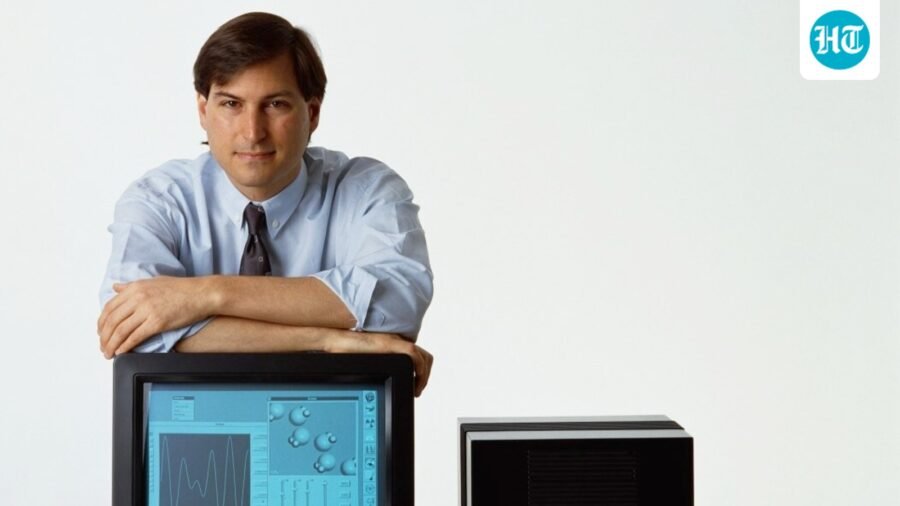
Without CIA funding that helped keep NeXT afloat in the ’80s, Steve Jobs might not have made a triumphant return to Apple
Published on: Aug 20, 2026, 19:37:08 IST
Prefer HTon Google
Share via
Copy link
When the CIA dropped in unannounced at the headquarters of Steve Jobs’s new computer company, NeXT, the Cold War was in full swing.
The year was 1986, and President Ronald Reagan was sending billions of dollars to the Pentagon, much of it to fund new technology, including missile defense and spy satellites. Within the national security community, some people understood the importance of the computing revolution unfolding in Silicon Valley—and why they needed to tap into it.
Joe Romello and Jeff Harris were two of those people. Working for what was known as the CIA’s “Program B,” a classified initiative to develop satellite reconnaissance, they believed Jobs, who had formed his new company in 1985 after being pushed out of Apple, could help supply crucial technology for the intelligence community.
Romello and Harris said they wanted to speak with him directly about “defense-related issues, specifically intelligence.” They couldn’t provide details, since it was classified, but they wanted to know if Jobs could find time to meet with them.
But why would Jobs, a child of the counterculture who had practiced Buddhism under a Zen master and cited taking LSD as a formative experience, tether his company’s future to spies?
Behind closed doors
Today, as Silicon Valley and the Pentagon forge renewed ties, with tens of billions of venture dollars going into hundreds of new defense startups, many tech leaders cite patriotism and national renewal in their quest for military contracts, but mutual self-interest is what drove cooperation in the past. This little known episode of Jobs’s connections to American spycraft is worth revisiting precisely because it shows the deep roots of the relationship—and the role it played in allowing Apple’s operating system to come into existence.
Jobs would not have been totally surprised to learn the CIA was asking to speak to him.
In addition to starting NeXT, in February of 1986 he had acquired the computer graphics division of George Lucas’s Lucasfilms, which made the Pixar Image Computer. Jobs’s controlling interest in the newly spun out company came with an unexpected piece of technology: Pixar had been working with ESL, a Silicon Valley defense company, and had custom-built a computer for intelligence analysts to assess satellite images.
When Jobs eventually met with ESL’s president, Robert Kohler, the two men hit it off, recalled Garry Fuller, who worked for ESL at the time and later joined NeXT. Kohler, a former senior CIA official, told Jobs that what the NeXT computer had been designed to do “for college students and professors and researchers, that’s what the intelligence community does behind the door.”
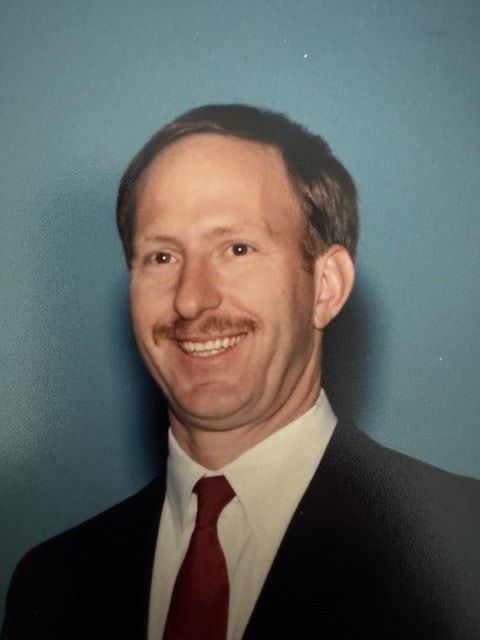
Romello and Harris never got a meeting with Jobs at NeXT headquarters during that first visit. When Romello eventually met up with Jobs in New York City, he didn’t say precisely what the CIA had in mind.
Jobs didn’t want to hear it anyway. “Don’t tell me anything that I’m not supposed to know because I won’t remember to forget,” Jobs told Romello.
That wasn’t a problem for Romello, who laid out what he wanted: to buy NeXT’s workstations for an undisclosed customer.
“How many units are you prepared to deliver on an annual basis?” Romello asked.
“That’s privileged information,” Jobs shot back.
“Is it more than 20,000? That’s what I want to buy: 20,000 units,” Romello said. “And I want ’em this year, but I want ’em with two modifications.”
The customization Romello had in mind wouldn’t be handled by Jobs or NeXT. The intelligence customer wanted a faster chip, supplied by Motorola, and a special graphics card, from Intel. “We never told him what we were really after,” Romello said. “We didn’t give him a copy of the chip. They were done aftermarket by us, by our proxies.”
He may not have known exactly what the CIA was planning to do with his computers, but Jobs was eventually granted a top-secret security clearance so he could visit classified facilities.
The truth was that NeXT desperately needed the sales. The company was beset by problems, most of them linked to Jobs’s perfectionism—which, let loose in a company that he now owned and controlled, was in danger of driving the entire enterprise into the ground. NeXT workstations were expensive and out of financial reach for most individuals. Sales to universities, which Jobs hoped would be a major customer, never materialized in large numbers.
That left primarily the contract with the CIA, which almost no one knew existed. Publicly, NeXT said it had a contract with the federal government as part of a partnership with ESL. Even inside the government, the CIA’s involvement was shielded; the National Security Agency was the official buyer, according to Dain Ehring, who worked with Romello on the NeXT contract.
“Nobody had business cards”
Only a few people at NeXT knew what was going on when mysterious visitors from Washington showed up at the office, and those employees knew better than to ask too many questions. Dan’l Lewin, whom Jobs had recruited to NeXT from Apple, recalled a half dozen different groups showing up at the office, all looking like “off-the-shelf plain-clothes agents.”
“They came in, said, ‘Hi, my name’s Sally.’ ‘My name’s Bill.’ ‘My name’s Sanjay,’ whatever,” Lewin recalled. “And nobody had business cards. They all smiled and we gave them demonstrations and there were people from ESL in the room because ESL was going to shepherd the whole thing. And they all left and smiled and nodded and didn’t say a word.”
The CIA brought in a team from Sun Microsystems, which had already had dealings with the spy agency, to help Jobs ramp up manufacturing. The first month of production yielded a hundred workstations. Then NeXT boosted output to 1,500 machines a month—then 5,000.
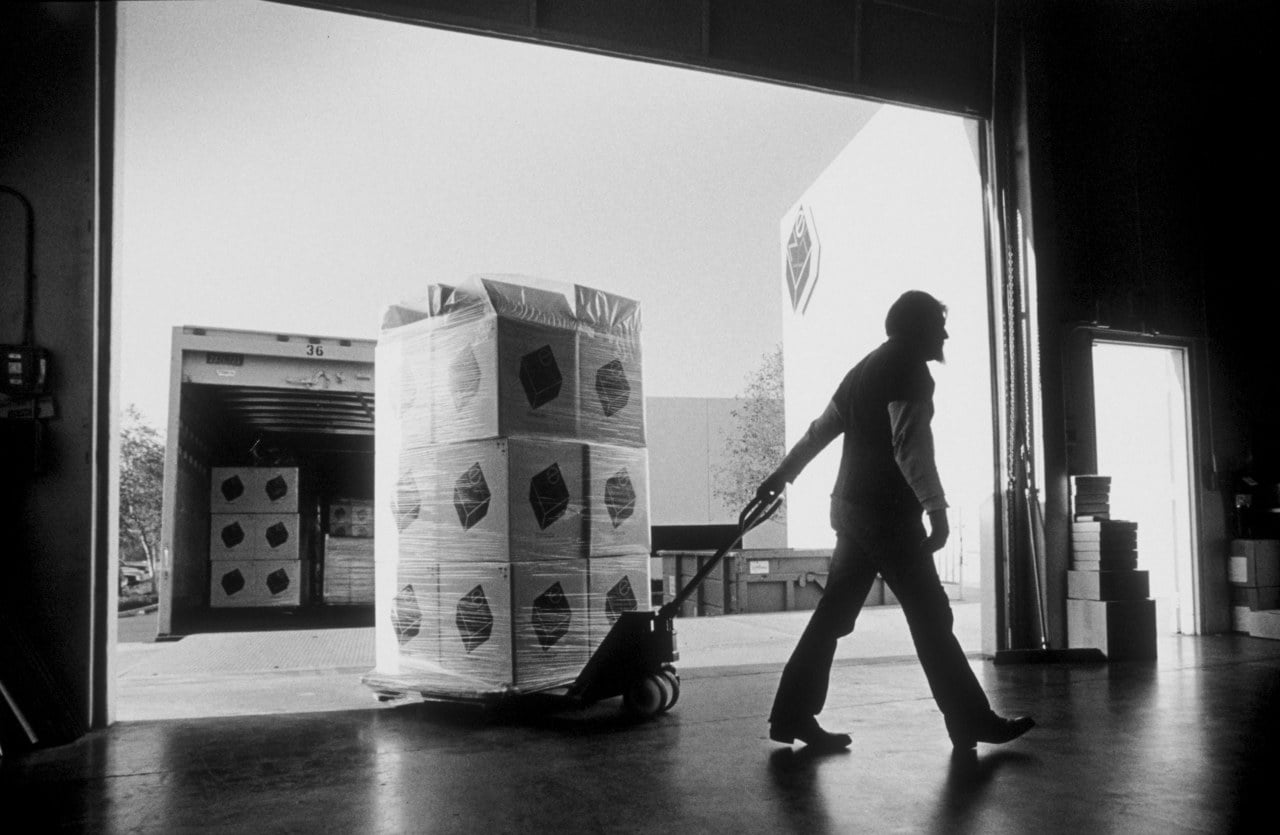
The computers rolling off the line were loaded on unmarked trucks arriving at NeXT’s warehouse in the early morning and transported to a CIA front company where the modified chips and visual processors were installed. Once assembled, the units went back on trucks bound for Moffett Field, a military installation, where they were loaded into hulking C- 5 transport planes and flown to their final—classified—destinations.
Jobs still didn’t know precisely where his NeXT Computers were going, or why, at least according to those on the intelligence side. The truth was that even the people responsible for buying them—including Romello himself—didn’t fully anticipate how the computers would end up being used.
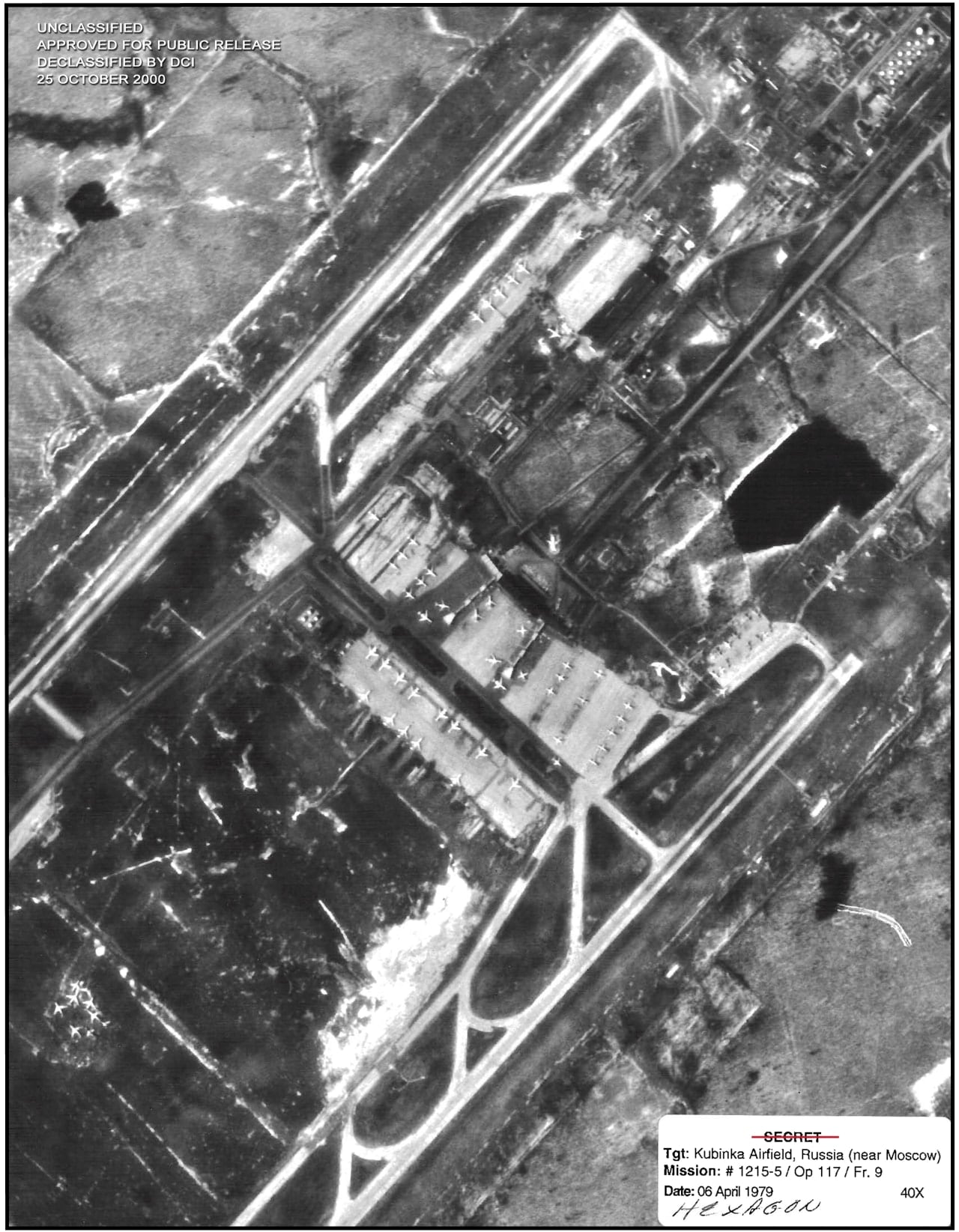
The computers went to analysts at the National Reconnaissance Office, or NRO, who used NeXT’s high-resolution screens and specialized chips to scan satellite imagery—to detect whether a country had moved its military, say, or if it was building a missile silo. The workstations also allowed analysts to create and share briefings, whether for lawmakers or the president, incorporating voice-over-video, still images and annotations.
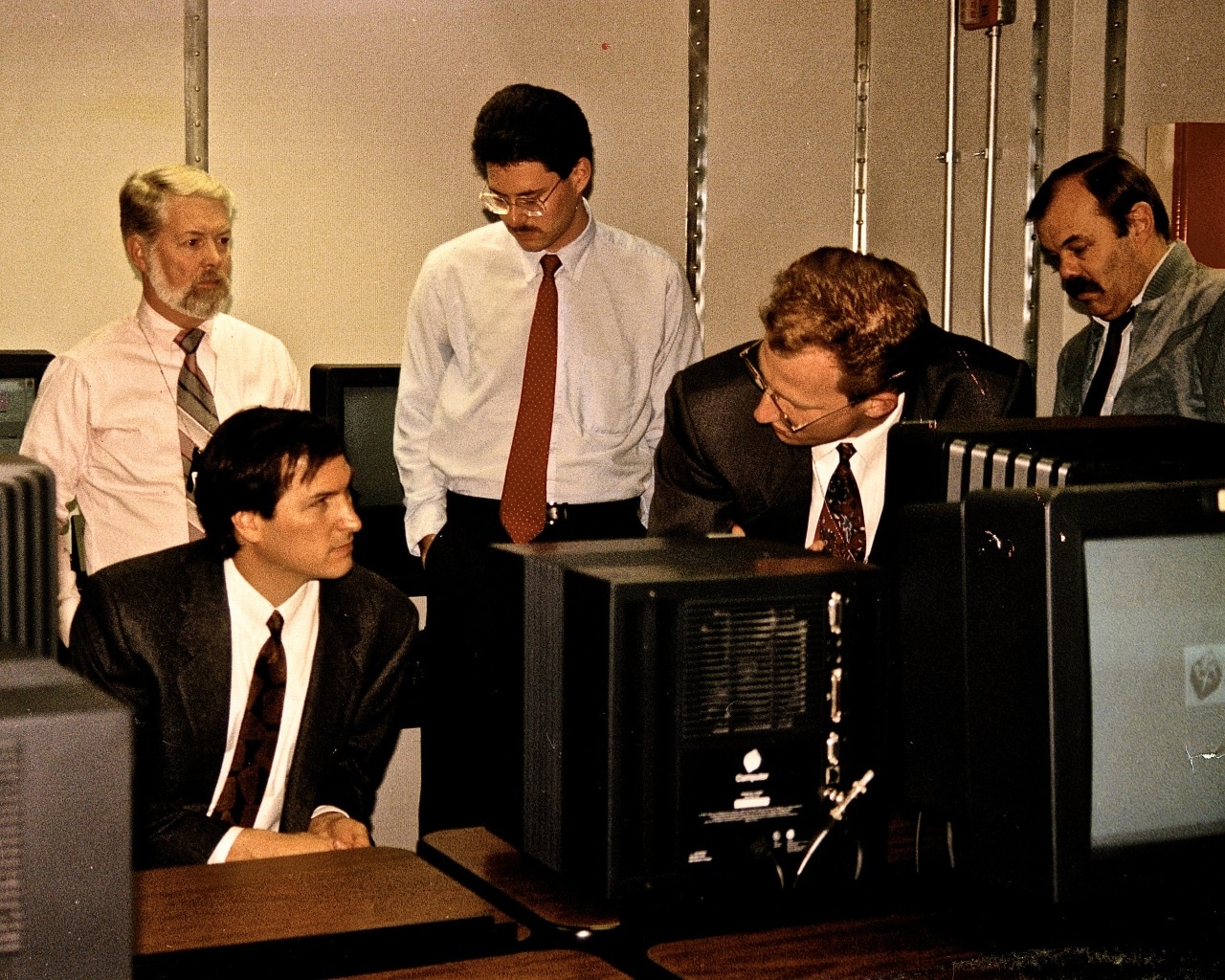
Equally important, the NeXTcubes, as they were called, allowed data to be shared across intelligence networks, putting freshly collected images in the hands of military personnel around the world, thus allowing them to do analysis in real time. The World Wide Web was still in its infancy, but thanks to the NeXT, the intelligence community essentially had its own functioning internet. “We didn’t use the word internet back then, but we called it just a ‘wide area network,’ or what have you,” Romello said.
As more members of the military started seeing the images themselves they no longer had to rely solely on analysis from intelligence agencies. NeXT put raw intelligence into the hands of battlefield commanders at bases around the world, images they could interpret “though their eyes in near real time,” Romello said.
The effect was to challenge the CIA’s longstanding culture of centralized intelligence. This, Romello said, was “the biggest unintended consequence” of the new computers.
NeXT was integrated into the spy agencies just as their mission was about to change. The Soviet Union collapsed in 1991, and the U.S. went from being one of two superpowers to being the sole dominant hegemon in a world of new threats: rogue states, the rise of China, terrorism.
Jobs, however, wasn’t destined to play a role for very long in that new era; he had his eye on something beyond the Pentagon and CIA. Harris, who had accompanied Romello to NeXT headquarters, recalled a meeting with Jobs in the mid-1990s when the entrepreneur told him: “I’m going to redefine the music industry.”
Harris, who at that point was the head of NRO, had no idea what Jobs was talking about, but he eventually understood.
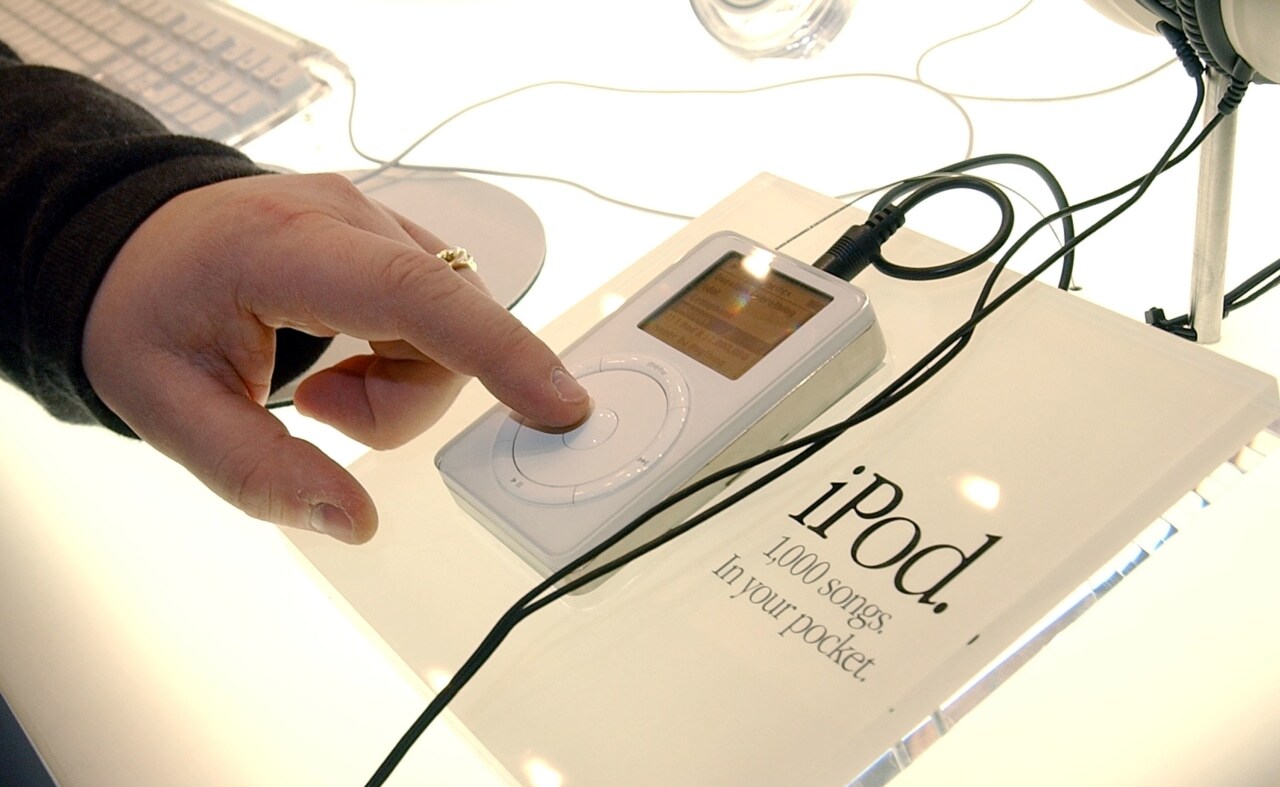
In 1996, Apple announced that it was buying NeXT, and Jobs returned to the company he had co-founded. A few years later, Jobs regained control of the entire company, putting it on a trajectory to become the world’s most valuable brand—and, as promised, redefining the music industry with the advent of the iPod and iTunes.
Although NeXT’s presence in popular culture was overshadowed by Apple, the DNA of its operating system, NEXTSTEP, became the foundation for Apple’s products, from Macs to iPhones.
Apple never became a major military contractor the way NeXT had been. After the Cold War ended, defense spending plummeted, dropping nearly 30% by the end of the 1990s, just as the commercial market for personal computers was exploding.
When the interests of Silicon Valley diverged from those of the military and intelligence worlds, the connection withered. Now, as the Pentagon aims to spend more than a trillion and a half dollars next year and invests in new technologies like artificial intelligence, Silicon Valley is rebooting the relationship.
The most lasting impact of Jobs’s brief convergence with national security is simply that it allowed Silicon Valley’s most iconic entrepreneur to make his way back to Apple.
The work with spy agencies gave Jobs “another five-year runway to harden and grow the business; to prove himself to shareholders and the market that he was a legitimate business leader, not just a kid who got lucky and could sell,” said Ehring, who left the intelligence world in 1990 to work with Jobs at NeXT.
“So, without the NRO enabling Steve’s maturity, he wouldn’t have returned to run Apple as a turnaround CEO.”
Excerpted and adapted from Valley of Death: How Big Tech Is Fueling the Future of War by Sharon Weinberger. Copyright © 2026 by Sharon Weinberger. Reprinted with permission of Little, Brown and Company, an imprint of Hachette Book Group. All rights reserved.
See Less

Meta ropes in MongoDB CEO Chirantan Desai to lead new AI platform for enterprise customers
By Sohail Khan · 28 Sep