Should you eat slightly burned or charred food? Oncologist reveals what is safe
Should you eat slightly burned or charred food? Oncologist reveals what is safeUpdated on: Aug 26, 2026, 12:12:18 IST
Prefer HTon Google
Share via
Copy link
Learn from a specialist how the chemical composition changes when you overcook any food.
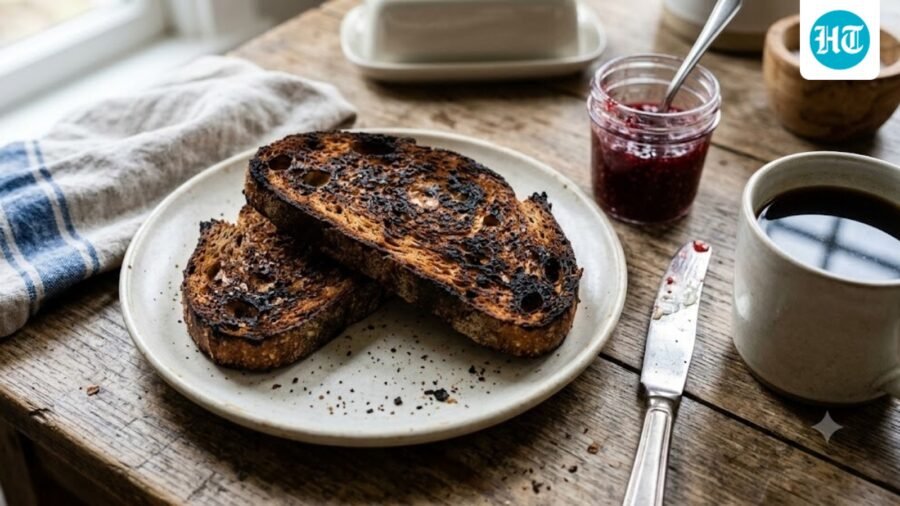
Casually, every once in a while, there is a tendency to eat slightly charred or burned foods. Perhaps the sabzi has blackened at the bottom because you forgot to check it, or the toast got burnt while you were rushing through the morning routine. But instead of throwing it away, you eat it anyway. Is this habit safe?
ALSO READ: Can your diet reduce breast cancer risk? Oncologist shares what to eat and avoid
Diet is very closely associated with cancer risk. This raises a very important doubt: can burnt food be carcinogenic? After all, cooking food at very high temperatures can alter its chemical composition and lead to the formation of potentially harmful compounds.
Putting all doubts to rest, in an interview with Lifestyle, Dr Tanvi Singh, Medical Oncologist, MOC Cancer Care, Karol Bagh, described whether burnt food can heighten cancer risk and answered relevant questions associated with burnt food's health demerits.
Is eating food that has been slightly burnt or charred actually bad for us?
The oncologist assured that it is not completely unsafe. Occasionally, if you scrape the burnt spots from toast, it won't harm you.
But when can it be hazardous for you and pose a cancer risk? Dr Singh said, “If charring occurs frequently, then it means that one is exposed to such substances as acrylamide in the case of burnt starchy food or HCAs and PAHs in the case of burnt meat. Such substances have been related to cancer risk due to frequent consumption of them.”
What happens to meat when you grill or barbecue it at very high temperatures?
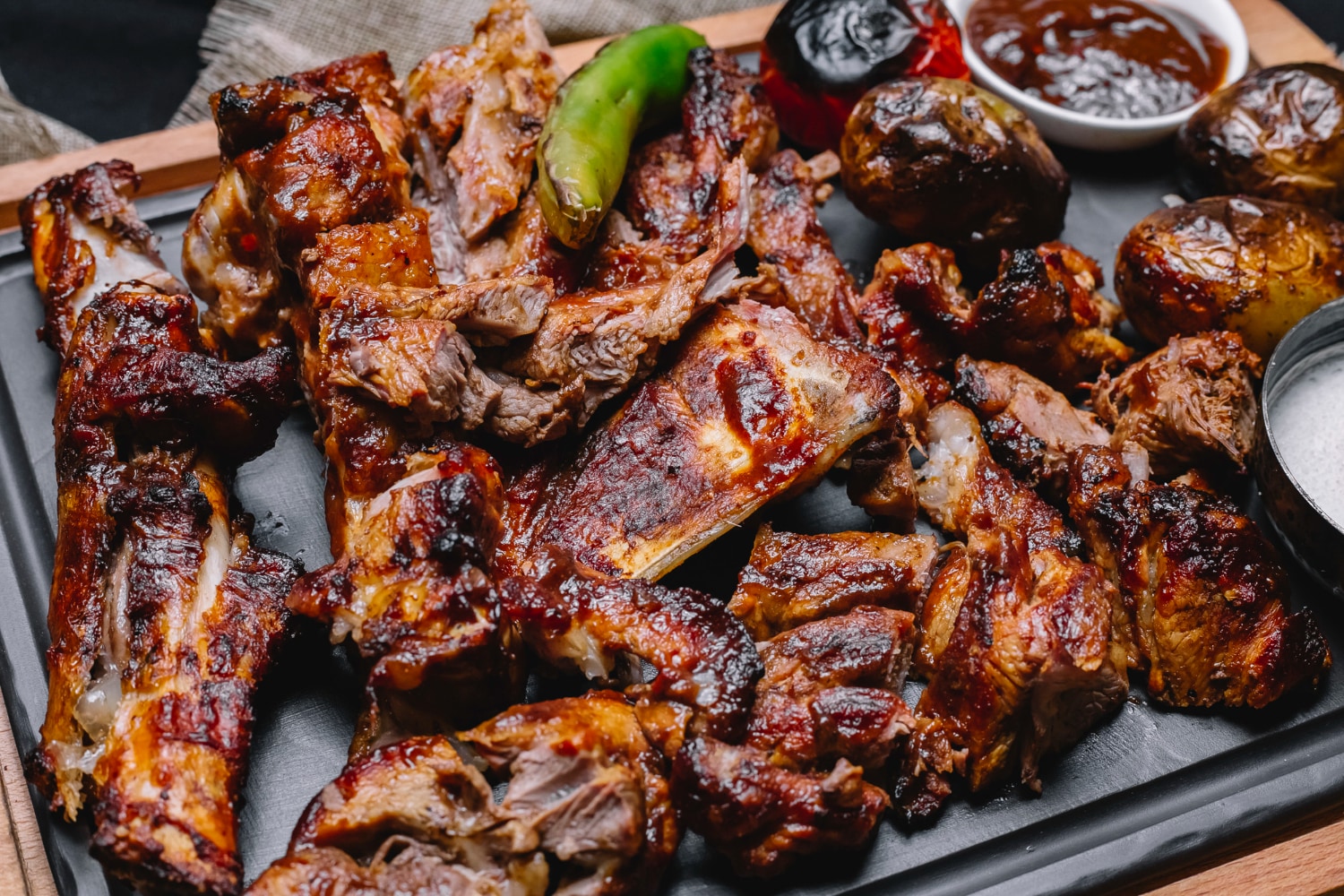
Very frequently, meat is subjected to high temperatures. They are grilled and roasted. Various cooking techniques involve them being prepared at high temperatures for that savoury, smoky flavour. But while this is done, the chemical composition also changes. What does this mean for your health?
Dr Singh answered the question about the chemical reactions: “Meat forms heterocyclic amines during the process of grilling; however, fat drips into the fire and results in smoking, and polycyclic aromatic hydrocarbons (PAHs) are deposited on the meat. Such substances can damage DNA. Burnt starchy foods form acrylamide, whereas vegetables cannot form HCAs. Nevertheless, they can receive too much smoke, which means they can be contaminated with PAHs.”
Because of chemical reactions, DNA has the potential to be affected, which subsequently increases cancer risk substantially.
Does eating the black, burnt part of meat increase cancer risk, or is that an exaggeration?
Another doubt most have is whether there's any weight to the discussion of burnt meat causing cancer, or is it blown out of proportion. To which the expert gave a reality check, reminding us this is actually true, but the cancer risk is dependent on two things: frequency and type of the burnt foods eaten.
Then, she helped identify which type of cancer may happen after eating burnt meat: “Consumption of burnt meat can be related to an increased risk of developing colorectal, pancreatic, and prostate cancers. There was some research about the potential link between acrylamide and ovarian and endometrial cancers, but the risks were lower.”
She firmly ruled out the misconception that this is an exaggeration.
This means that it is not an exaggeration.
Are some burnt foods less dangerous for your health than others?
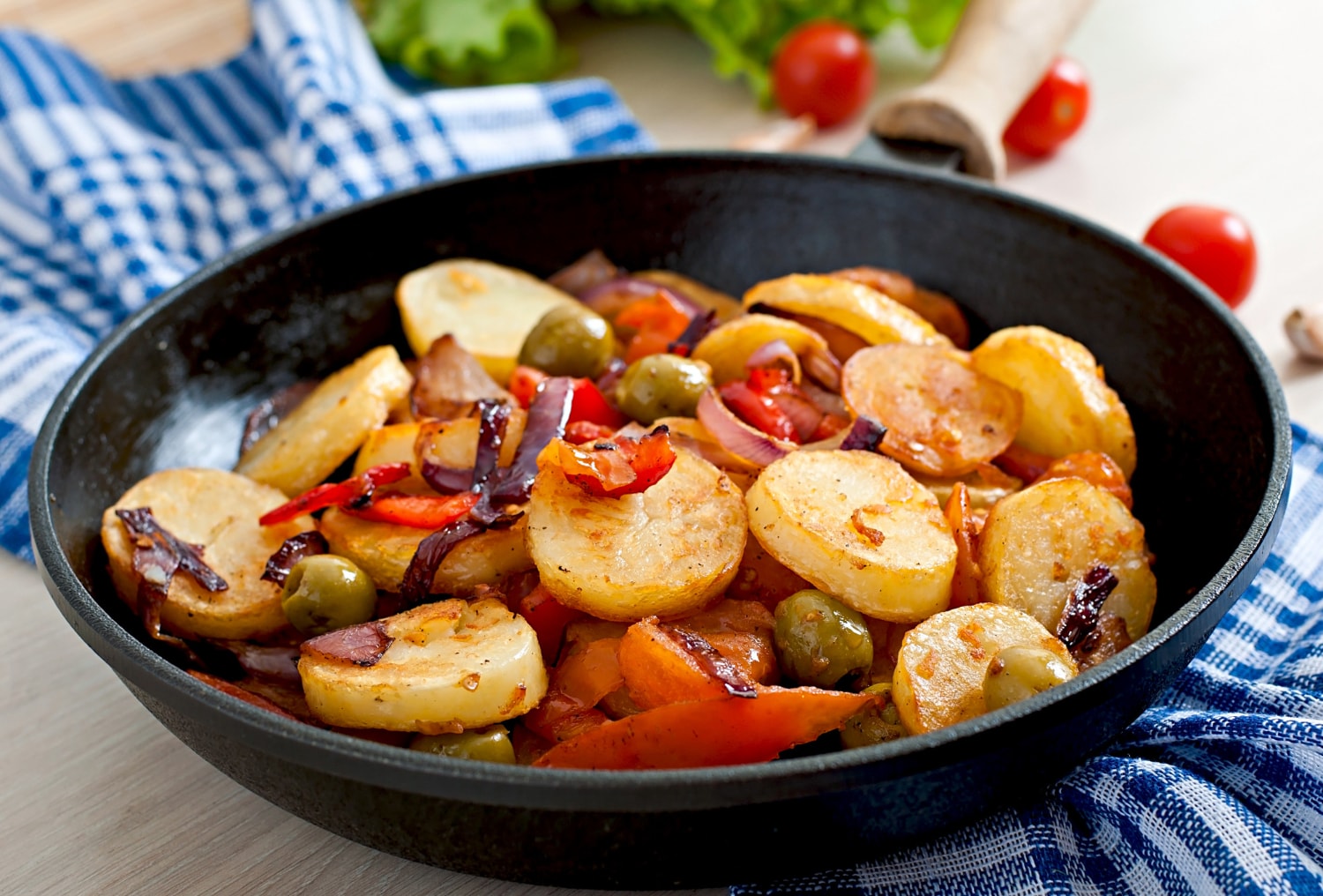
Which types of burnt foods are salvageable and may not be as detrimental? The oncologist named vegetable foods. Again, describing the chemical reactions, she said, “Vegetable food is less dangerous since it cannot create HCAs; however, excessive smoke can lead to contamination with PAHs. In the case of starchy foods, there is a formation of acrylamide, but it is less harmful in comparison with meat”
In the end, she strongly cautioned against eating burnt meat, as it contains both HCAs and PAHs, which can be cancerous.
If not cancerous, can the consumption of burnt food harm your body in any other way?
Aside from cancer, the oncologist alerted that one is at risk of inflammation, insulin resistance, and cardiovascular disorders. Then, over time, these risks build up and may further prematurely increase the aging processes and heighten the risk of diabetes and heart disease.
What simple changes can one make when cooking meat at home to reduce potentially harmful compounds?
Dr Singh listed what all you can add to your grilled foods to reduce cancer risks by controlling the chemical reactions and production of harmful chemicals:
- Marinate meat using vinegar, lemon juice, yogurt or beer to lower HCAs by 99%.
- Reduce HCA production by 70-90% using herbs such as rosemary, garlic and thyme.
- Pre-cook meat in the microwave oven to reduce HCAs by 90%.
- Cook indirectly to avoid dripping fat that results in PAHs.
- Do not use charred meat.
- Choose moist cooking methods.
Note to readers: This article is for informational purposes only and not a substitute for professional medical advice. Always seek the advice of your doctor with any questions about a medical condition.
Catch every big hit, every wicket with Crick-it, a one stop destination for Live Scores, Match Stats, Quizzes, Polls & much more. Explore now!.
Catch your daily dose of Fashion, Taylor Swift, Health, Festivals, Travel, Relationship, Recipe and all the other Latest Lifestyle News on Website and APPs.
See Less


6 last-minute, thoughtful Rakhi gifts for the brother who puts health and self-care first
By Sohail Khan · 26 Aug

Leave a Reply