Should you eat more soluble or insoluble fibre to ease constipation? Gastroenterologist explains the role of each
Should you eat more soluble or insoluble fibre to ease constipation? Gastroenterologist explains the role of eachPublished on: Aug 29, 2026, 18:52:39 IST
Prefer HTon Google
Share via
Copy link
While doctors encourage adding more fibre in your daily diet, each variety plays a different role in the body. Dr Salhab explains the varied functions.
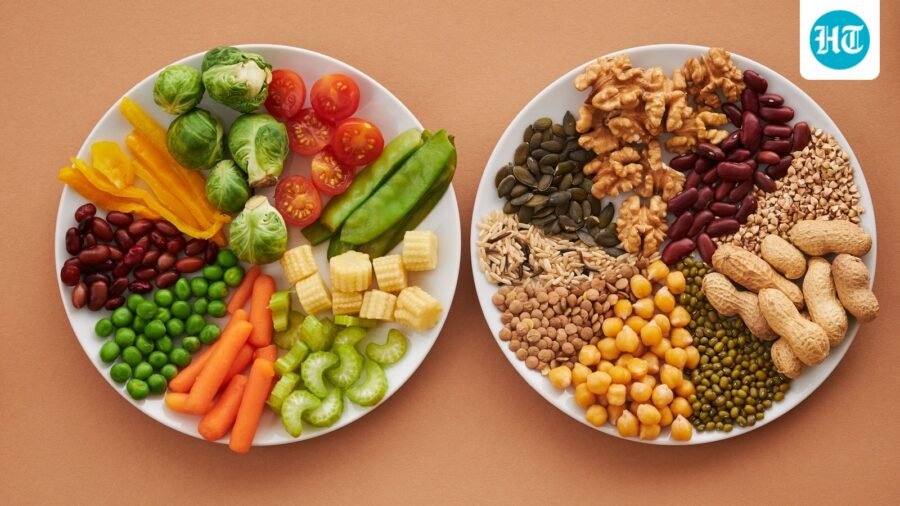
Constipation is often met with the same familiar advice: eat more fibre and drink plenty of water. But fibre is not a single, uniform nutrient – soluble and insoluble fibre work differently in the digestive system and can support gut health in distinct ways. Understanding how each type works and where to find it can help you make more informed choices when trying to improve bowel regularity and ease constipation.
Dr Joseph Salhab, a Florida-based gastroenterologist and health content creator who specialises in digestive, liver, pancreatic, and nutritional health, is breaking down the key differences between soluble and insoluble fibre, and how each type functions in the body. In an Instagram post shared on August 27, the gastroenterologist explains, “Two types of fibre. Two very different jobs. If you’re trying to improve constipation or have better bowel movements, it helps to understand the difference between soluble and insoluble fibre.”
View this post on Instagram
A post shared by Dr. Joseph Salhab (@thestomachdoc)
The role of soluble fibre
Soluble fibre is a type of plant carbohydrate that dissolves in water to form a thick, gel-like substance in your digestive tract. Dr Salhab explains, “Soluble fibre is the stool shaper. They absorb water and form a gel. That helps make stool softer, smoother, and better formed.”
According to WebMD, soluble fibre slows the digestion and absorption of sugar, helping prevent sudden blood sugar spikes after meals. It also acts as a prebiotic, providing nourishment for beneficial bacteria in the large intestine. Additionally, soluble fibre may help lower cholesterol by binding to fatty acids and aiding their removal from the body.
Sources of soluble fibre
- Psyllium husk
- Chia seeds
- Oats
- Barley
- Apples
- Pears
- Citrus fruits
- Avocado
- Beans
- Ground flaxseeds
The role of insoluble fibre
Insoluble fibre is a type of plant carbohydrate that does not dissolve in water, passing through your digestive system mostly intact to add bulk to your stool and help prevent constipation. Dr Salhab explains, “Insoluble fibre is the stool mover. They add bulk and help your colon move stool forward.”
According to Healthline, insoluble fibre draws water into the stool, making it softer, bulkier and easier to pass. It also helps move food through the digestive tract more efficiently, supporting regular bowel movements, reducing straining and potentially lowering the risk of certain digestive problems.
Sources of insoluble fibre
- Wheat bran
- Whole-wheat bread
- Brown rice
- Popcorn
- Almonds
- Walnuts
- Broccoli
- Green beans
- Carrots
- Potato or sweet potato skins
“Most plant foods contain a mixture of both, so it isn’t a perfect split. But this is an easy way to think about fibre when you’re dealing with constipation, hard stool, irregular bowel movements, or trying to poop more consistently. Soluble fibre helps shape the poop. Insoluble fibre helps move the poop,” Dr Salhab concludes.
Note to readers: This article is for informational purposes only and not a substitute for professional medical advice. It is based on user-generated content from social media. .com has not independently verified the claims and does not endorse them.
Dr Joseph Salhab is a gastroenterologist providing services in central Florida. He received his medical degree from Lake Erie College of Osteopathic Medicine, Bradenton Campus, and has been in practice for over a decade. He has expertise in treating gastroenteritis and upper GI endoscopy, among other conditions.
Catch every big hit, every wicket with Crick-it, a one stop destination for Live Scores, Match Stats, Quizzes, Polls & much more. Explore now!.
Catch your daily dose of Fashion, Taylor Swift, Health, Festivals, Travel, Relationship, Recipe and all the other Latest Lifestyle News on Website and APPs.
See Less



Leave a Reply