Postpartum pain is NOT just ‘normal’: Physiotherapist Muskan Rastogi reveals all about pelvic floor recovery
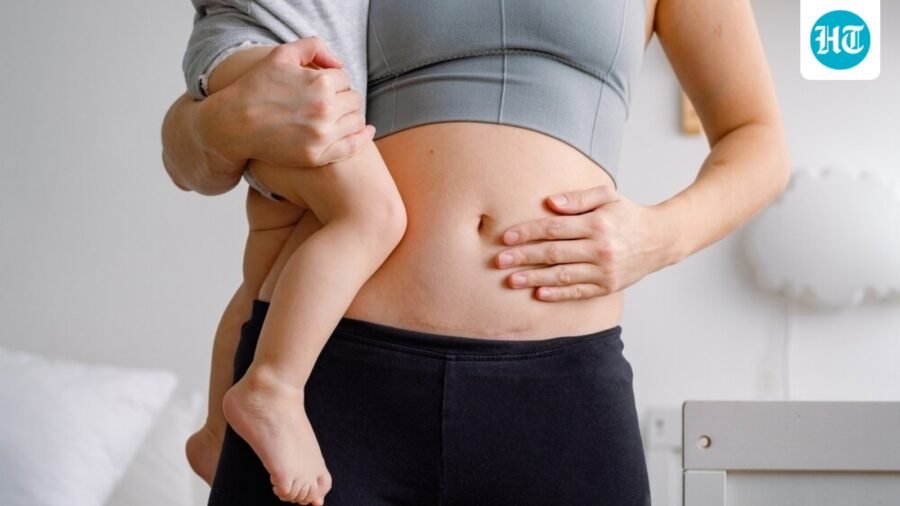
Postpartum recovery involves more than just pain management; it includes pelvic floor rehabilitation to restore strength and reduce discomfort for new mothers.
Published on: Aug 23, 2026, 11:00:24 IST
Prefer HTon Google
Share via
Copy link
Back pain, neck pain, pelvic discomfort, and muscle weakness are common after childbirth. Still, they should not be accepted as a lifelong part of motherhood. Physiotherapy can play a vital role in helping new mothers recover safely and regain strength.
When does postpartum get easier?
Welcoming a baby is one of the happiest moments in a woman's life, but it also brings physical changes. During pregnancy and childbirth, the body undergoes tremendous stress. “Carrying the baby for nine months, hormonal changes, labor, delivery, breastfeeding, lifting the newborn, and sleep deprivation can all contribute to aches and pains,” Physiotherapist Muskan Rastogi, Lactation Consultant, Motherhood Hospitals, Greater Noida, tells Health Shots. While some discomfort is expected in the weeks after delivery, persistent pain should never be ignored or accepted as "normal."
What could be causing lower back pain that wraps around to the abdomen?
Many new mothers experience lower back pain, neck and shoulder pain, pelvic pain, wrist discomfort, abdominal weakness, and muscle stiffness. In some women, weakened pelvic floor muscles may also lead to urine leakage or a feeling of heaviness in the pelvic region. Pelvic floor symptoms can include more than urinary leakage.
- Women may also experience urgency, difficulty controlling gas, pelvic pressure or heaviness, pain during intercourse, or a feeling of something bulging in the vagina. “These symptoms deserve assessment rather than being considered an unavoidable part of motherhood,” warns the expert. If these symptoms continue for several weeks or worsen, seek professional evaluation. If these symptoms continue for several weeks or worsen, professional evaluation is important.
- Physiotherapy plays an important role in postpartum recovery by helping women regain strength, improve posture, and reduce pain. “A physiotherapist first assesses posture, muscle strength, flexibility, and movement patterns before designing an individualized rehabilitation plan,” explains Rastogi. Gentle stretching, core strengthening, pelvic floor exercises, breathing techniques, and posture correction help restore muscle function and reduce stress on the joints.
- Women who have undergone a Cesarean section may also benefit from scar management exercises and gradual mobility training under professional supervision. “Rather than focusing only on the appearance of the abdominal scar or the gap between the abdominal muscles, postpartum rehabilitation should also assess how well the abdominal wall functions during everyday movements, coughing, lifting, and exercise,” says the lactation consultant.
Why do women need to strengthen their pelvic floor?
Women must understand that pelvic floor rehabilitation should not be viewed as simply doing Kegel exercises. The priority should be strengthening, relaxation, mobility, or improving coordination between the pelvic floor, abdominal muscles, and breathing.
Simple lifestyle changes can also prevent long-term pain:
- Mothers should avoid lifting heavy objects incorrectly, maintain proper posture while breastfeeding, use supportive pillows during feeding, and avoid sitting in one position for long periods.
- Regular walking, adequate hydration, a balanced diet rich in calcium, protein, and vitamin D, and sufficient rest whenever possible also support faster recovery.
- It is equally important to begin exercise only after receiving clearance from the treating doctor.
Can running damage the pelvic floor?
Returning to exercise should also be gradual. A progressive return to activity based on individual recovery is safer than rushing to regain pre-pregnancy fitness. Ignoring persistent postpartum pain can lead to chronic back problems, poor posture, reduced mobility, and difficulty performing daily activities. However, early physiotherapy intervention can prevent minor problems from becoming long-term complications and significantly improve overall quality of life.
How to emotionally support a new mother?
Motherhood demands strength, both physically and emotionally. Taking care of your own health is not a luxury; it is a necessity. “Seeking timely physiotherapy, staying active, and allowing the body adequate time to heal can help new mothers recover comfortably, return to their daily routine with confidence, and enjoy this special phase of life without unnecessary pain,” says the expert.
(Disclaimer: This article is for informational purposes only and is not a substitute for professional medical advice. Always seek the advice of your doctor with any questions about a medical condition.)
Catch every big hit, every wicket with Crick-it, a one stop destination for Live Scores, Match Stats, Quizzes, Polls & much more. Explore now!.
Catch your daily dose of Fashion, Taylor Swift, Health, Festivals, Travel, Relationship, Recipe and all the other Latest Lifestyle News on Website and APPs.
See Less


Leave a Reply