‘Not a man-hater’: Dia Mirza on backlash over remarks linking patriarchy to climate change
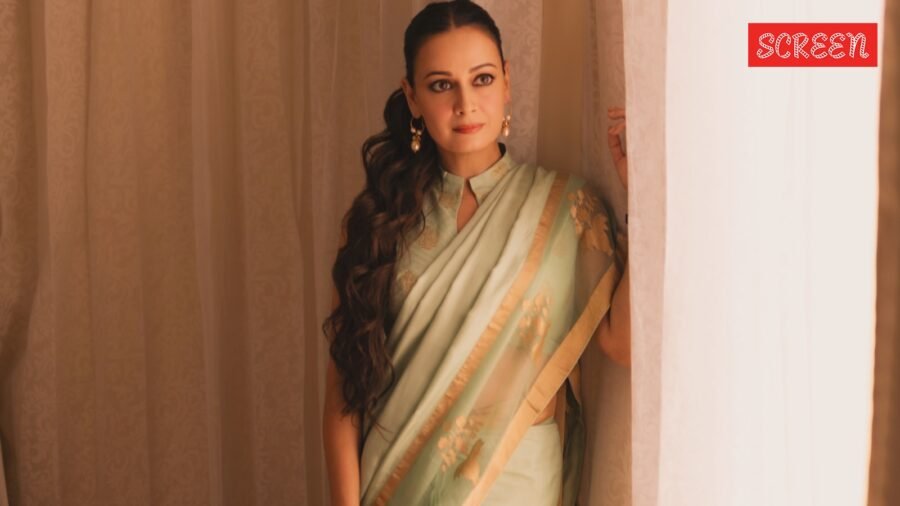
Actor and environmental advocate Dia Mirza has responded to the backlash she faced after linking patriarchy to the climate crisis, saying her comments were twisted into a narrative that she was blaming all men for climate change. In a conversation with Zoom, Dia explained that she was referring to patriarchal systems, power structures and an approach centred on exploitation and consumption, rather than expressing hatred towards men.
The controversy began in June when Dia appeared on Soha Ali Khan’s podcast All About Her. During a discussion about climate change and humanity’s relationship with nature, she said, “It is the men in this world. It is the men who have driven climate change, and they are totally responsible for the chaos.” She also said, “Patriarchy is the cause for climate change.” The remarks quickly went viral, dividing social media users. Critics accused her of reducing a complex global crisis to a gender issue.
Now, addressing the controversy, Dia said some people use a person’s words to discredit them when their views do not fit a particular narrative.
Story continues below this ad
Dia Mirza says her comments were not about ‘man-hating’
Dia said her comments were presented as though she was blaming men as a group for the climate crisis.
“Some people always use what you say to discredit you because it doesn’t serve their narrative, and there are, to some extent, governments and industries that are driving the crisis or deepening the crisis,” she said.
She stressed that talking about patriarchy in the context of climate change was not an argument against men.
“When one says that patriarchy is responsible for climate change, one is not saying it from a place of being a man-hater. That’s the narrative that was spun — that she is a man-hater and, in her opinion, all men are responsible for climate change. That is so untrue,” she said.
Story continues below this ad
‘Patriarchy doesn’t recognise or value the importance of equality’
Explaining what she means when she uses the term patriarchy, Dia said she was referring to a mindset that does not prioritise equality, care or responsible use of resources.
“Patriarchy doesn’t recognise or value the importance of equality. It doesn’t nurture, and it doesn’t understand the value of resources in a way that allows us to preserve, save and nurture them. It’s exploitative, it’s consumptive, it’s destructive – that’s the approach of patriarchy.”
She contrasted this with what she described as a more nurturing approach to the environment.
Story continues below this ad
“All matriarchal mindsets operate from a place of nurturing, equality, empathy and love. In those mindsets, destruction and wastefulness don’t feel normal.”
Dia Mirza questions who is driving environmental destruction
She also questioned why practices that damage the environment have become normalised and who continues to benefit from them.
“Why do these things feel normal in the world? Why is it that there are only very few companies in the world that are causing harm and destruction and getting away with it? And who are the founders of these companies? Who are these companies run by?”
“It is a patriarchal, dominating mindset that has plundered our planet,” she added.
Story continues below this ad
‘I will never disrespect anyone even if they are disrespecting me’
Dia also addressed the personal nature of the backlash, saying she was disturbed by the language used against her online. She claimed that some of the trolling appeared repetitive and that several videos and posts were widely circulated.
“I will never disrespect anyone, even if they are disrespecting me. This is something trolls do time and time again. They use vile, disrespectful language, and you can see that it’s copy-pasted. This time there were videos made, there were influencers who made videos that were shared widely, and it really makes you think: why?”
She said that some women also participated in what she described as a narrative portraying her as a man-hater.
“Why are women perpetuating this narrative? Because, of course, there are women out there who are completely convinced that I was propagating the idea that I am a man-hater, which I am not.”
Story continues below this ad
Dia said the episode also made her think about how easily a narrative surrounding a public figure can take hold.
“It is also how convinced people are by the narrative spun about you.But I will never stop respecting anyone. There is always a dignified and graceful way.”
Dia Mirza has been associated with the United Nations Environment Programme and has consistently spoken about sustainability, pollution, climate action and environmental protection.

‘Broke our knees’: Suriya draws parallels between his and Fahadh Faasil’s career struggles
By Sohail Khan · 28 Sep
Sunita Ahuja breaks silence on Govinda, Komal Rani: ‘I see that he is happy; God bless him’
By Sohail Khan · 28 Sep