Inhalers and blood sugar: Can asthma or COPD medicines raise glucose levels?
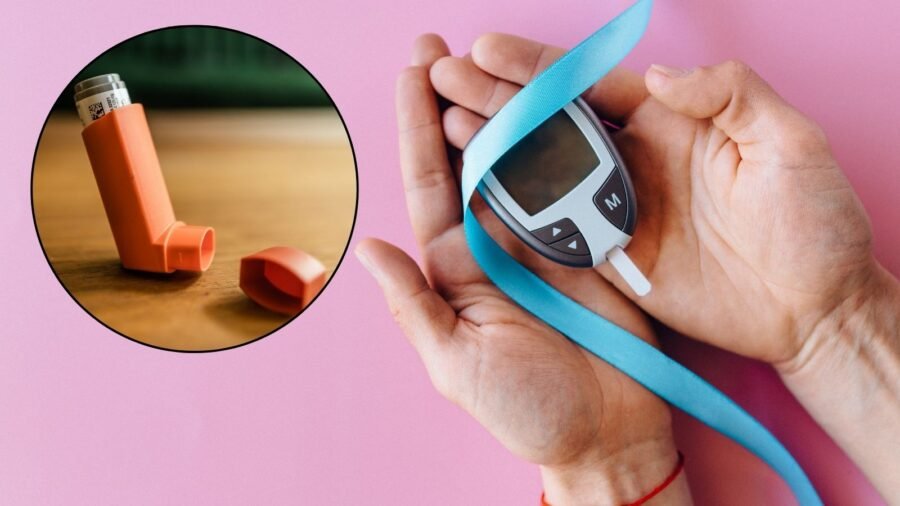
Inhalers commonly treat conditions such as asthma and chronic obstructive pulmonary disease (COPD), with different medicines working in different ways to open airways or reduce inflammation. For people who use these medicines regularly, it is natural to wonder whether their effects extend beyond the lungs.
The question becomes particularly relevant for people with diabetes or those monitoring their blood sugar closely. Some inhaled medicines can enter the bloodstream to varying degrees, depending on the drug, dose and how it is used. This raises the possibility that certain inhalers could influence glucose levels, although the effect may not be the same across all inhaled medications.
Steroid-containing inhalers are of particular interest because corticosteroids can influence glucose metabolism when given systemically. However, inhaled corticosteroids are delivered primarily to the airways, and the extent to which commonly prescribed doses affect blood sugar may depend on several factors.
If you notice unexpected changes in glucose readings after starting or changing an inhaler, it is important to understand whether the medication is contributing or whether another factor is responsible. An expert can explain which inhalers are more likely to affect blood glucose, how significant these effects can be and who may need closer monitoring.
Can inhalers affect blood glucose levels?
Kanikka Malhotra, Consultant Dietician & Diabetes Educator, tells indianexpress.com, “They can, though the effect is usually modest compared to oral steroids. Inhaled corticosteroids work mainly inside the lungs, but a small fraction gets absorbed into the bloodstream through lung tissue and, if a spacer is not used, through swallowed medicine absorbed in the gut.”
Once in circulation, she adds that steroids trigger the liver to release more glucose while also making muscles and fat cells less responsive to insulin. The key factor is systemic bioavailability, meaning how much of the dose actually escapes the lungs and enters the blood rather than staying local.
Story continues below this ad
“Higher potency steroids and larger particle formulations tend to have greater systemic reach. Think of it like a leaking tap. Even a small, steady drip adds up over time, especially in someone already managing insulin resistance. For most healthy users the rise is minor, but it becomes clinically relevant in people whose glucose regulation is already fragile,” explains Malhotra.
Which inhalers and patients are most likely to see glucose changes?
Quick Quiz
See if you can answer this:
Which people are more likely to experience blood sugar changes associated with inhaled corticosteroids?
A. People who use a low-dose reliever inhaler occasionally.
B. People using high-dose inhaled corticosteroids long term, particularly those with diabetes, prediabetes or other metabolic risk factors.
Story continues below this ad
C. Only people who use combination inhalers for a few days.
D. People who use any inhaler, regardless of dose or duration.
Reveal the answer
✅ Correct answer: B
Malhotra states that higher-dose inhaled corticosteroids used over longer periods have a greater documented association with changes in blood sugar than low-dose or short-term use. The risk is more relevant for people who already have diabetes, prediabetes or reduced metabolic reserve. Older adults and those with higher cumulative exposure over months or years may also show a clearer effect. Combination inhalers containing a corticosteroid and a long-acting bronchodilator may contribute to overall exposure as well. The key factor is not simply the type of inhaler but the total corticosteroid dose and duration of use.
What should people with diabetes do if an inhaler raises their blood sugar?
Closer monitoring is the sensible first step, not stopping the medicine. Please keep your healthcare team in loop. Checking glucose more frequently for one to two weeks after any inhaler change helps establish whether the rise is a genuine pattern or normal daily variation.
Story continues below this ad
“Keeping a simple log noting inhaler timing alongside glucose readings makes this pattern easier to spot. Respiratory control should never be compromised without medical guidance, since uncontrolled asthma or COPD carries its own serious risks. If numbers stay consistently elevated, the right move is a conversation with the treating doctor about adjusting the diabetes medication, switching inhaler formulation or reviewing dose rather than discontinuing independently. This is where two specialists sometimes need to speak the same language. A pulmonologist manages the lungs, but glucose changes need a physician or diabetes educator involved too. Self-stopping an inhaler because of glucose concerns can do far more harm than the temporary blood sugar rise itself,” concludes Malhotra.
‘Blood sugar’ has been trending on Google for the past 24 hours.

Sussanne Khan says she felt ‘more love’ for Hrithik Roshan’s mother after losing her own
By Sohail Khan · 28 Sep
COP31 hosts Australia and Türkiye face the fossil-fuel question
By Sohail Khan · 28 Sep