India’s budget TV segment may shrink as memory costs surge, says Hisense India CEO
The global memory crisis is making the smaller TV segment, which largely comprises 32-inch and 43-inch models, increasingly unviable for companies to manufacture and sell in India, one of the world’s largest consumer markets. This is not due to the lack of demand, but because component costs have increased.
“If I tell you, in every TV, be it a 100-inch TV or a 43-inch TV, the memory requirement is more or less the same. It doesn’t increase dramatically from, say, 1.5GB to 2GB or 2.5GB. But the impact of rising memory prices is very high on 32-inch and 43-inch TVs In percentage terms, the impact is as high as 20 to 25 per cent. But when I go to larger screens, the impact is even less than 5 per cent,” Pankaj Rana, CEO, Hisense India, told indianexpress.com on Wednesday in an interview.
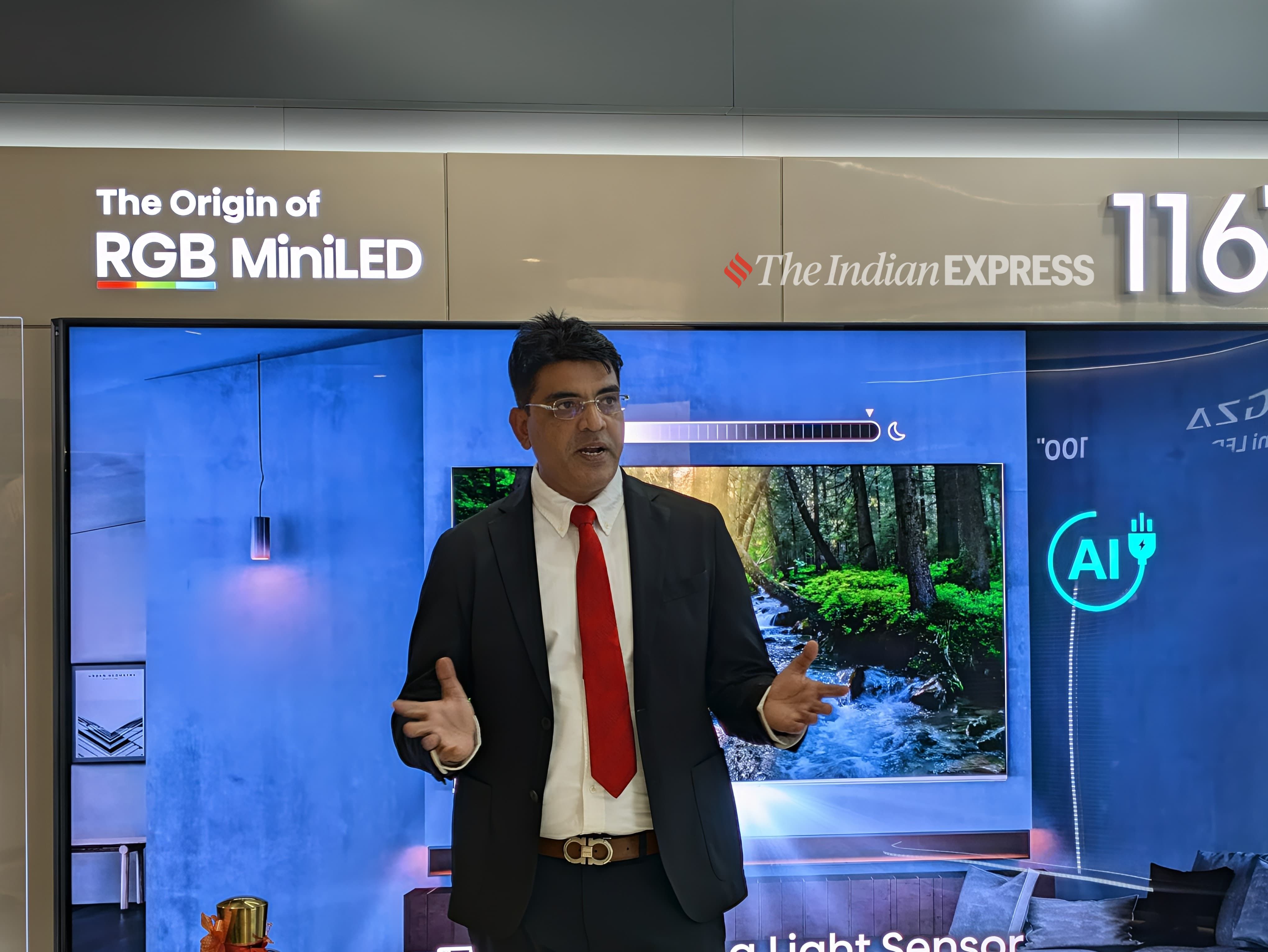 Pankaj Rana, CEO, Hisense India.
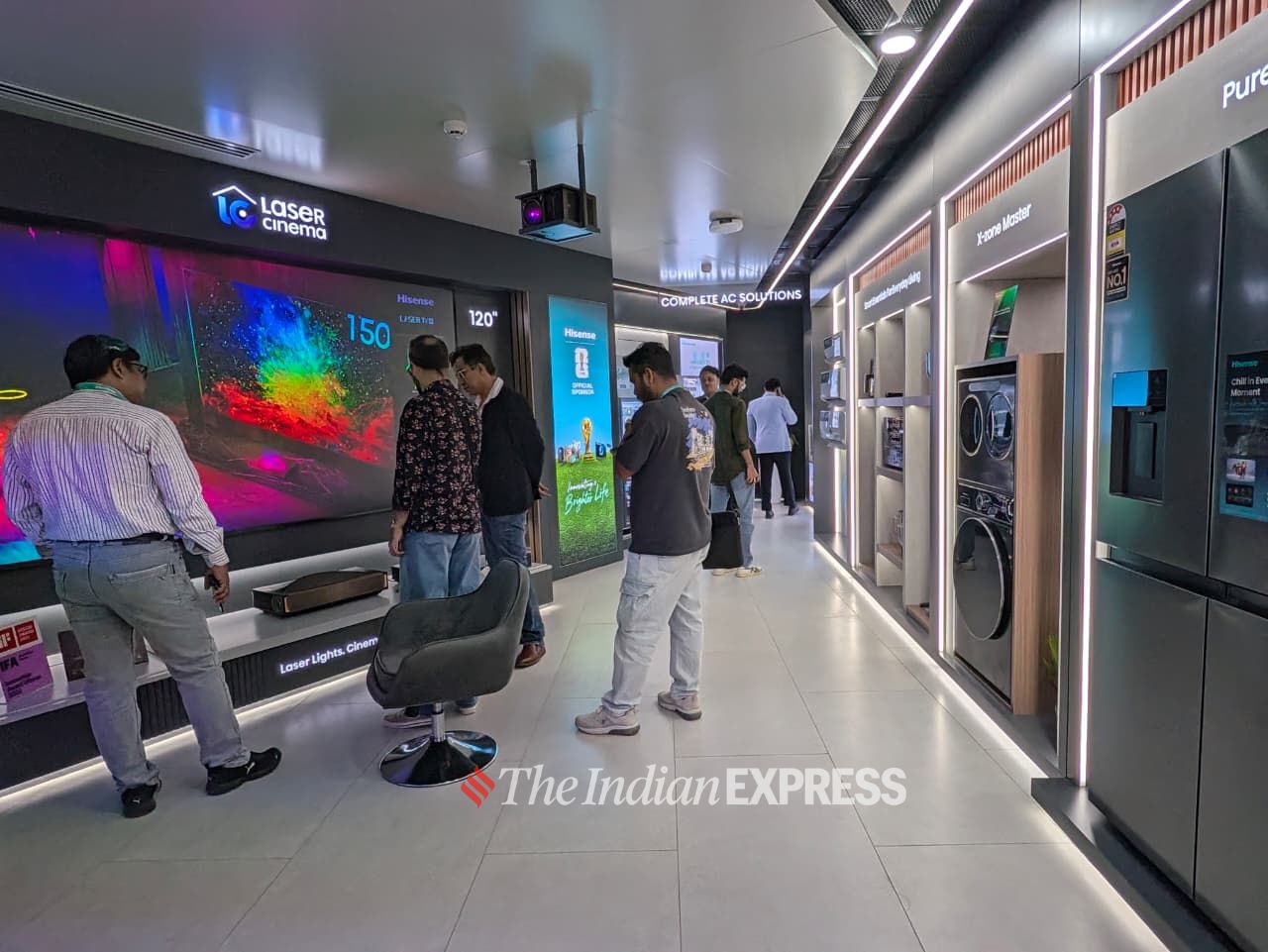
Rana was speaking on the sidelines of the inauguration of the company’s India headquarters in Gurgaon, alongside the opening of its first experiential store.
“As a segment, everybody wants to keep 32-inch TVs. After all, India has many first-time buyers. I see many applications where demand for 32-inch TVs still exists. For example, in Gurugram, there are many paying guests (PGs) and guest houses, so they opt for either 32-inch or 43-inch TVs As a segment, nobody will exit, but I think brands will gradually stop focusing on it as the segment will shrink automatically over a period of time,” he says.
Tapping Indian market
The way the entry-level TV segment is shrinking mirrors how the overall consumer electronics market is shaping up in India. Major brands that dominate the smartphone and laptop markets have already started raising prices and pulling cheaper models, which could make budget devices harder to find on retail shelves. Others have responded to rising costs by phasing out lower-spec machines, effectively raising the entry price.
 India’s smart TV market has been growing at a Compound Annual Growth Rate of 6 to 7 per cent over the past few years.
While one might assume the memory crisis is making bargain products harder to find and that the segment itself is slowly disappearing, India has seen a surge in premium devices and appliances over the past few years.
Rana observes that consumers are moving up the ladder and gradually upgrading to TVs with larger screens, as there are more options and the price gap between screen sizes is narrowing. In fact, 55-inch TVs are now the mainstream size, Rana says. While there are still takers for 65-inch TVs, he says the 65-inch segment is becoming a “sandwich” and losing momentum, with customers either upgrading from 55-inch TVs or moving up to 75-inch and larger screens.
Story continues below this ad
India’s smart TV market has been growing at a Compound Annual Growth Rate of 6 to 7 per cent over the past few years, but growth is expected to slow to the lower single digits this year, primarily due to the memory crisis and the war in Iran, which have caused severe disruptions across the industry and affected consumer sentiment.
However, like its peers in the consumer electronics and home appliances space, Hisense is aggressively building a product portfolio to tap into India’s growing premium segment.
Focus in India
Hisense Group Corp, the Chinese company, has long been a go-to choice for bargain hunters when it comes to TVs. However, over the years, it has built a premium product portfolio and now competes with Samsung, Sony, and LG in the global smart TV market, with a sizeable presence in the US and Europe.
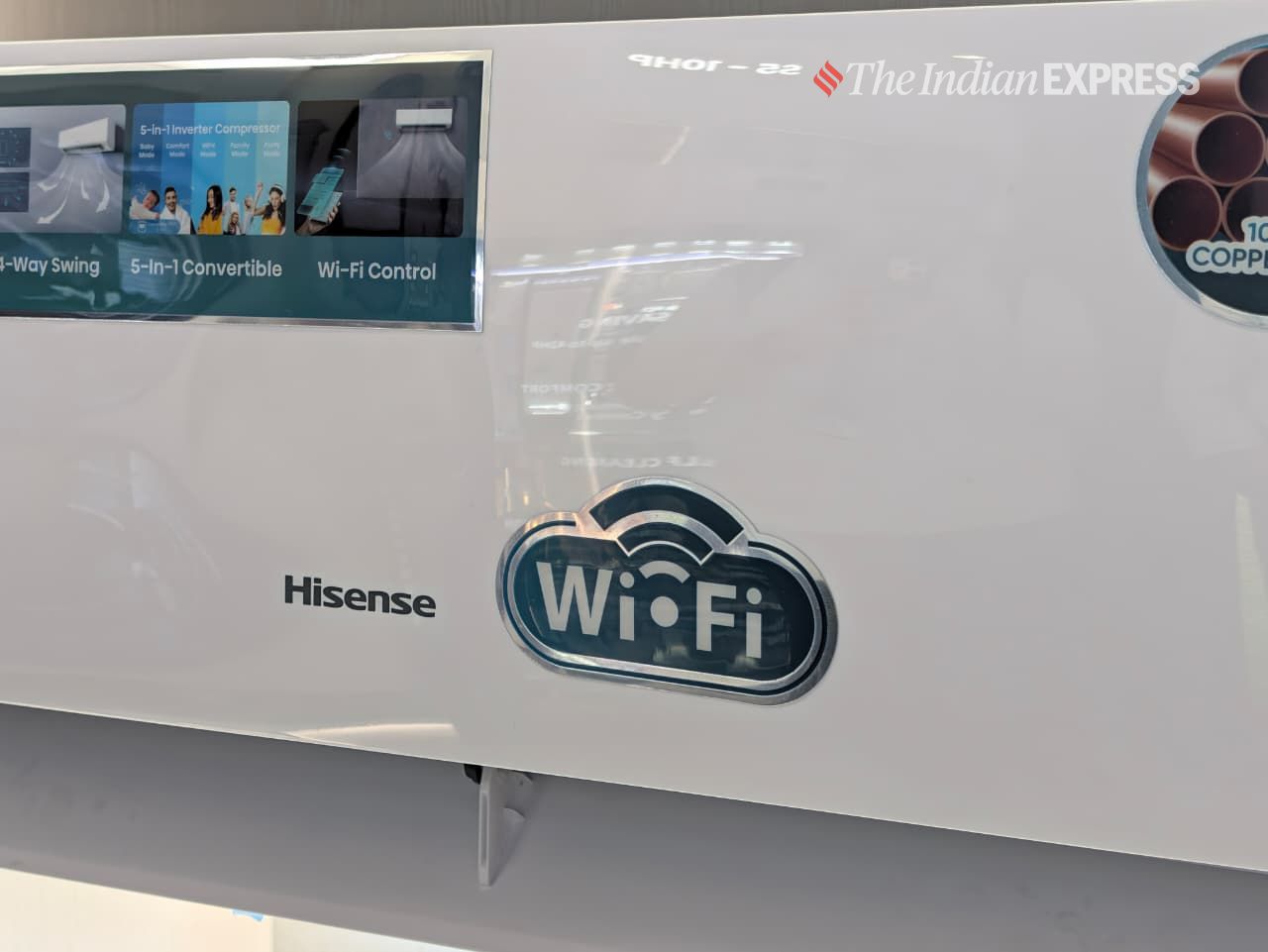 Rana says Wi-Fi connectivity is one smart-home feature that has started gaining traction among consumers.
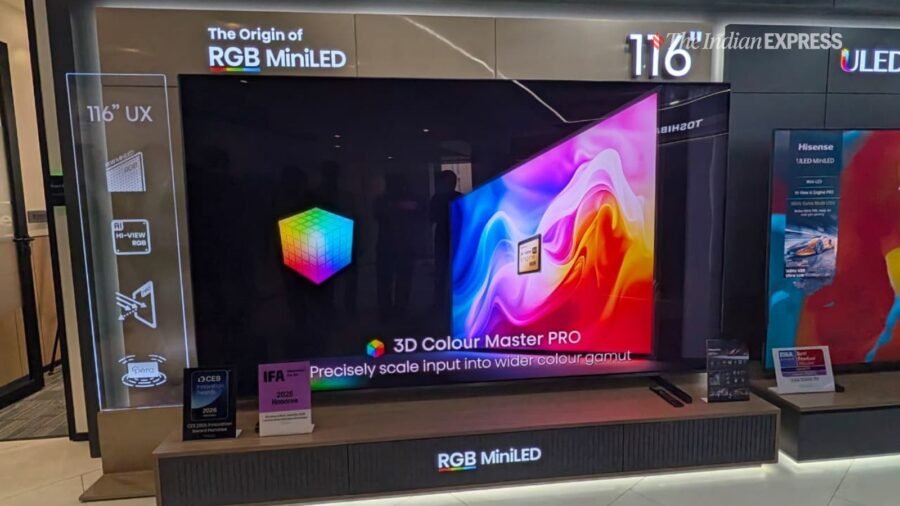
In India, while the brand is relatively new, Rana is clear that the company is targeting the large-screen, premium TV segment, with a focus on advanced RGB and Mini-LED technologies. Hisense is focusing on 75-inch and larger TVs, treating this segment as premium, with prices starting around Rs 80,000 for 75-inch models. The 75-inch TV segment could clearly indicate where India’s smart TV market is headed, as ultra-large TVs have grown increasingly popular among consumers.
Story continues below this ad
RGB backlighting is shaping the future of TVs and displays by delivering richer colours, higher brightness, and better contrast than many of today’s best models. Rana said RGB technology will be the main communication theme during the upcoming Diwali festive period, with more than 500 RGB display zones planned across India. The company also plans to heavily market its Mini-LED TVs, including a 100-inch model, to encourage consumers to upgrade from 4K and QLED TVs, citing superior picture quality and integrated 5.1-channel speaker systems.
Hisense manufactures its TVs, including models featuring high-end RGB display technology, in India through two partners: Dixon Technologies in Tirupati and Bhagwati Products Limited (BPL), owned by Micromax co-founder Rahul Sharma, in Hyderabad. The company uses its own products and kits while localising components in India wherever possible.
As with smartphones and laptops, consumer financing is playing a bigger role in TV and home appliance purchases. In organised retail, cash-back penetration is around 60 per cent, slightly lower than the 70 to 75 per cent seen in e-commerce, while EMI penetration is about 5 to 10 percentage points lower than online, at roughly 55 per cent. For premium products, EMI financing is as high as 80 per cent.
Rana attributes the strong uptake of premium products to zero-interest EMIs, which he says help boost sales. But Rana plans to expand beyond the TV market and enter other segments, including air conditioners, washing machines, and small appliances.
Story continues below this ad
Newer products
Earlier this year, Hisense entered the air conditioner market, which Rana says is the fastest-growing consumer category, with expected growth of 25 to 30 per cent this year. He adds that the AC market’s value has surpassed that of TVs, making it the single-largest consumer category.
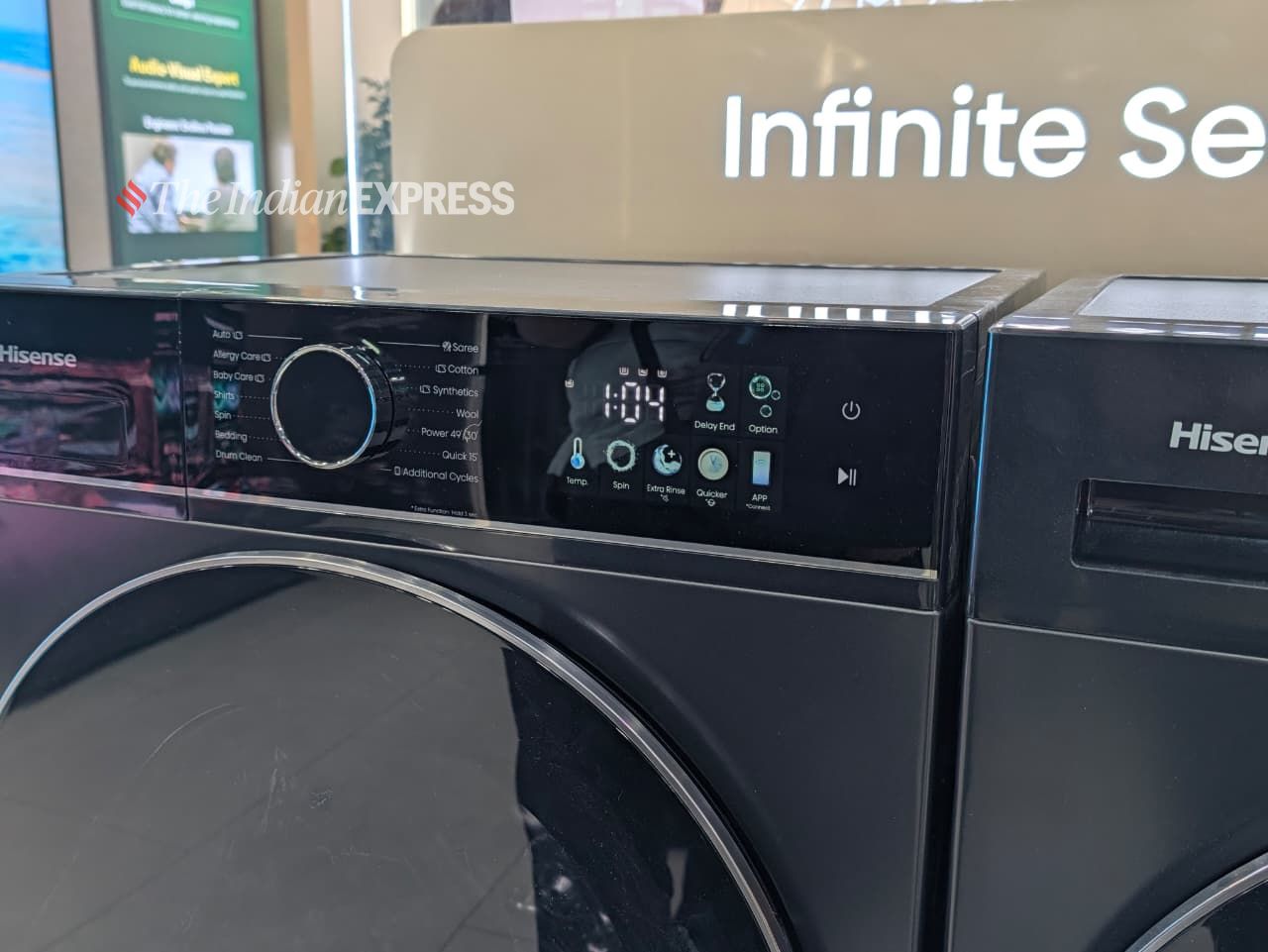 Hisense has entered the washing machine segment.
Hisense launched an AC factory in Sri City in February to capitalise on this growth, with an annual capacity of 5 lakh units and a target of selling 2.5 to 3 lakh units next year. The company currently manufactures 1.5 lakh AC units this calendar year.
Hisense has also entered the washing machine segment, with Rana aiming to make the company one of the top five players in India within 18 to 24 months. The market is currently dominated by four to five major players, leaving room for new entrants to gain a foothold.
The company also plans to enter the refrigerator segment, but Rana says it will take at least 12 to 18 months, given the segment’s capital intensity. Small appliances, such as kettles, slow juicers, and blenders, will also be launched alongside other categories.
Story continues below this ad
Digitising gadgets, buying process
Rana agrees that India’s smart home segment is still in its nascent stage, but believes there is scope for growth. However, he says this cannot happen without educating consumers about the benefits of connectivity and AI technology. He adds that full ecosystem integration across refrigerators, TVs and washing machines is still some way off because of limited consumer awareness and usage.
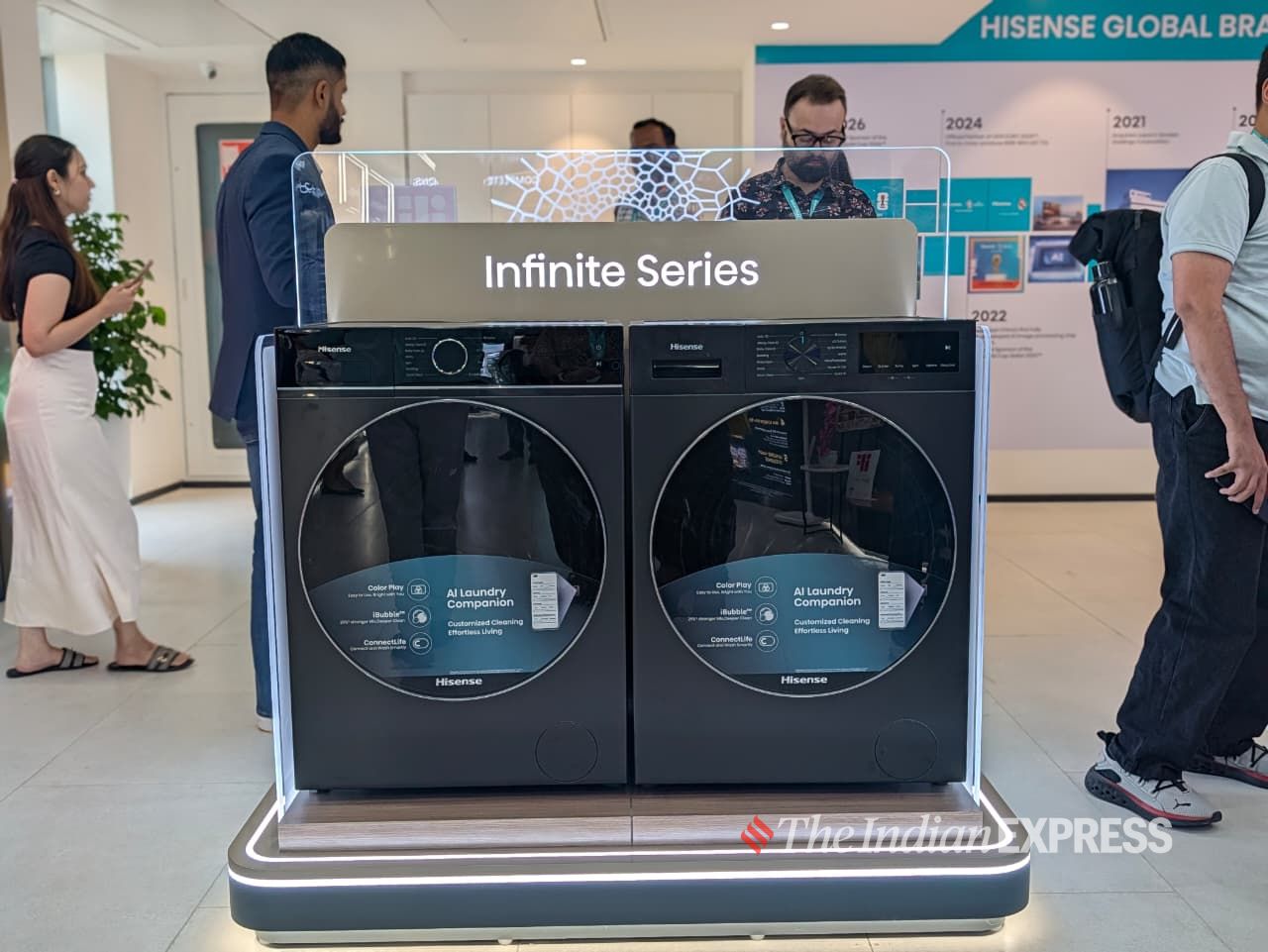 Full ecosystem integration across refrigerators, TVs and washing machines is still some way off.
“Nowadays, everyone is talking about AI. But what is the real benefit of AI to the end consumer? If you can’t communicate that benefit and the customer isn’t using the feature, then, in my opinion, that feature has no meaning. For example, I see AI in a washing machine as the machine being able to detect the fabric type and load and adjust the settings accordingly, including the amount of water and detergent used and the wash cycle.”
Rana says Wi-Fi connectivity is one smart-home feature that has started gaining traction among consumers, especially in air conditioners. Wi-Fi-enabled ACs offer practical benefits, such as allowing consumers to switch on the air conditioner remotely before reaching home. Rana also highlights proactive maintenance features that can alert users when the AC needs cleaning, which is useful in India’s dusty environment.
However, Rana believes one area that can help differentiate the brand from its competitors is improving after-sales service and making it an integral part of the customer experience, rather than treating it as an afterthought. The company is also pilot-testing a same-time delivery and installation service, with plans to roll it out across India’s top 10 cities as an experiment.
Story continues below this ad
“For example, if you are buying a TV, our delivery person or the dealer’s delivery person comes to your house, and the installer arrives at the same time. Otherwise, you have to keep the TV somewhere in your room until the installation is completed. The same applies to an AC or washing machine,” he explains.
Hisense is also digitising the buying process, with customers receiving SMS notifications to schedule delivery and installation, improving transparency and making planning easier. For premium products, Rana says the company is working on offering in-home demonstrations to educate customers about features and connectivity. Staff will explain TV settings, sound optimisation, and how devices can connect within the home ecosystem.
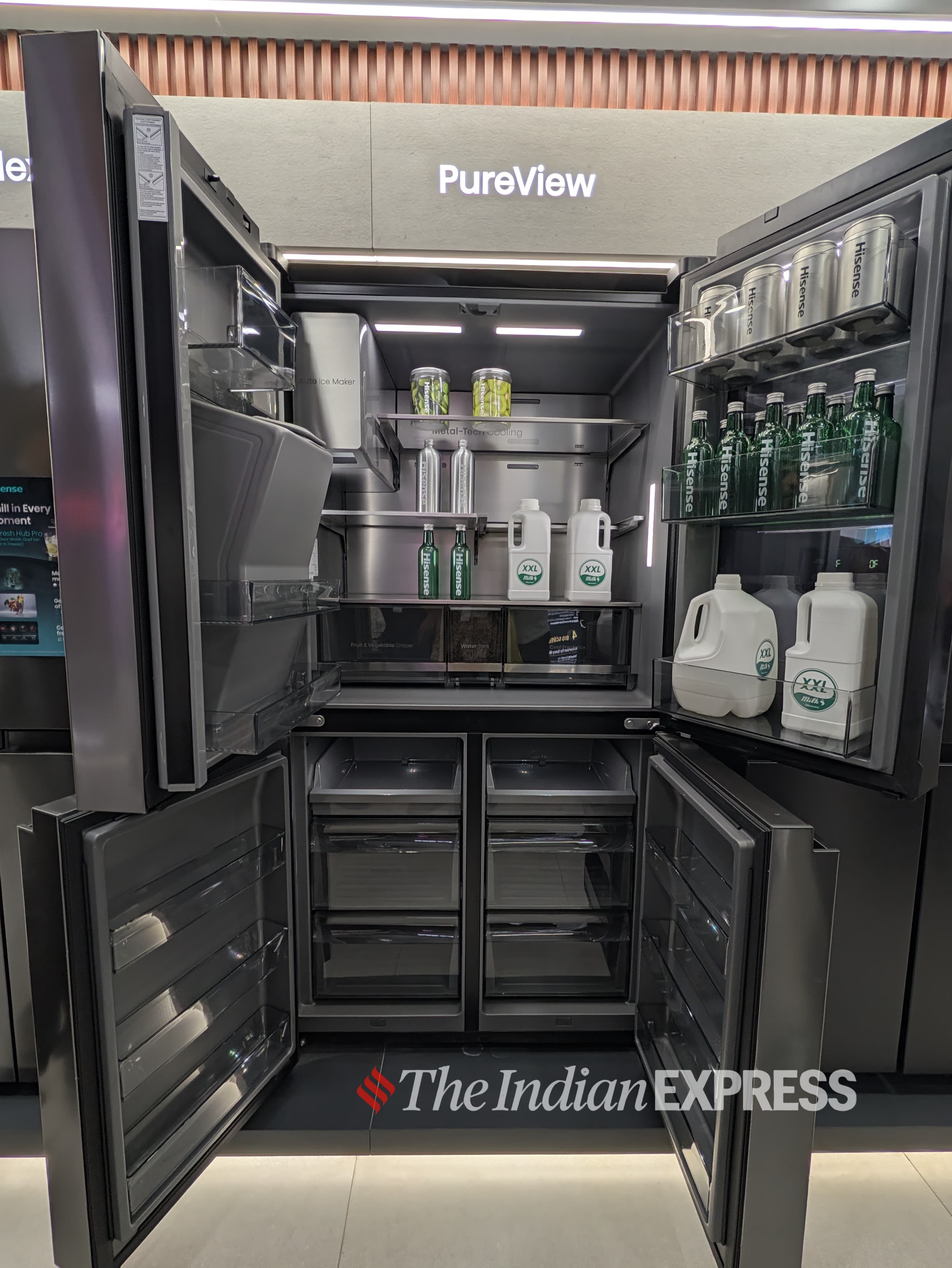 The company plans to enter the refrigerator segment.
The company plans to launch exclusive service centres in the top 10 cities next year to improve customer service and support infrastructure.
A key growth area, Rana says, is strong sales growth in Tier-2 and Tier-3 cities, driven by Reliance and other offline partners. He adds that cities such as Karnal, Panipat, Jalandhar, and Mysuru are seeing rising demand for large-screen TVs and premium products.
Story continues below this ad
“The demand is shifting, with consumers upgrading their products and lifestyles. There is more story to penetrate and more story to upgrade the lifestyle of the consumer.”

What is a kill switch, and why is it hard to build one for AI systems?
By Sohail Khan · 20 Sep
A smartwatch should fit your routine, not interrupt it. These five models go the extra mile
By Sohail Khan · 20 Sep
Nike Alphafly 4: 5 things (including the science) behind new marathon shoes
By Sohail Khan · 20 Sep