Hydropower capacity hit after floods, Nepal seeks advance power imports from India
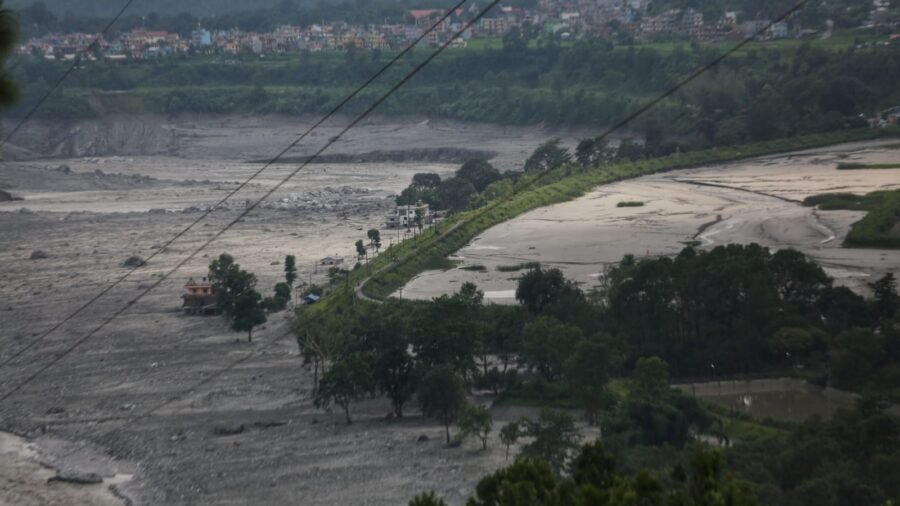
The Nepal government has sought advance approvals to import electricity from India from September to mitigate a generation shortfall caused by the recent disaster, has learnt.
Electricity trade between Nepal and India is seasonal, with Nepal exporting surplus power to India during the monsoon and importing electricity during the dry winter months when domestic hydropower generation declines. Usually, Nepal makes such requests for electricity imports from India around October. This year, however, the request has come earlier after flash floods damaged the country’s power generation capacity, Indian government officials said.
The request is being processed under an existing framework for considering such cross-border power supply arrangements, with Indian authorities working to facilitate additional electricity to Nepal as required, Indian government officials aware of the matter said.
Story continues below this ad
According to some assessments available with Indian officials, Nepal’s domestic power generation capacity has fallen by around 550 megawatts (MW) following damage to hydropower facilities. Consequently, cross-border power flow to India is currently reduced by approximately 400 MW from previous peak export levels of around 900-1,000 MW, the Indian government officials said.
However, the officials said the shortfall is temporary and does not warrant any exceptional emergency procurement or alternative arrangements to meet India’s domestic demand. India has sufficient reserve capacity to absorb the reduction in imports from Nepal and ramp up generation as required, without affecting grid stability or domestic electricity supply, the official added.
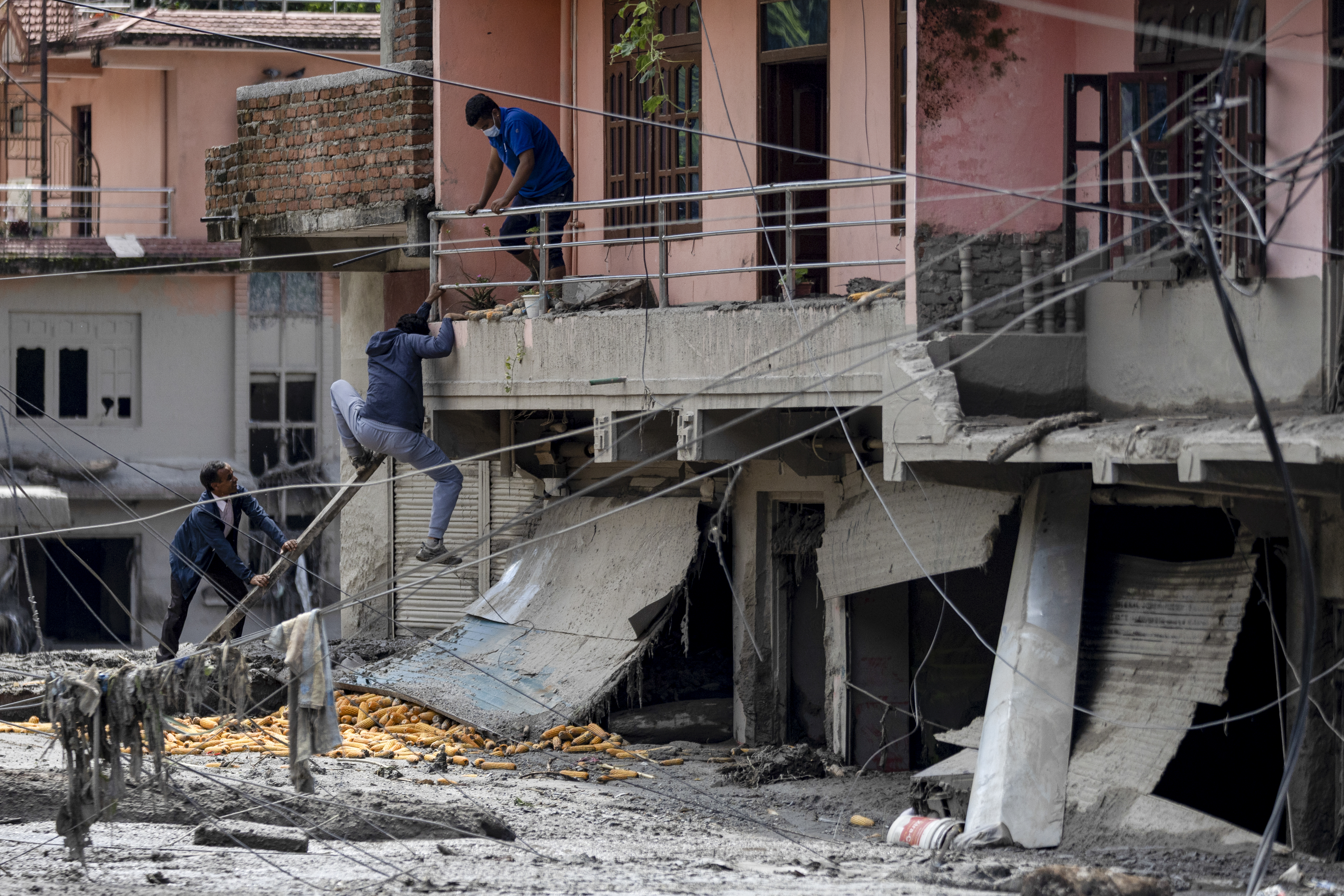 People try to enter a safer place after flash floods, at the Devighat in Bidur, Nuwakot, Nepal, Thursday, Aug. 27, 2026. The death toll from the devastating flash floods surged to 359 on Thursday.
Queries sent to Nepal Embassy in India and the Power Ministry did not elicit any response.
The floods affected 13 hydropower plants, including several under-construction projects, as well as a solar power plant, Nepal’s Energy Ministry said in an earlier statement.
Story continues below this ad
At least one hydropower plant — 14-MW Devighat hydropower plant — that supplies electricity to India was among the power plants affected by the floods, had earlier reported.
According to the Nepal government, operational power plants with total capacity of 236 MW and three under-construction major hydropower projects with total capacity of 342.42 MW have been affected in Rasuwa district.
 Nepal army personnel amid a rescue and search operation after flash floods, at the Army Training Centre in Nuwakot, Nepal, Thursday, Aug. 27, 2026. The death toll from the devastating flash floods surged to 359 on Thursday.
The affected projects include Upper Trishuli-1 (216 MW), Rasuwagadhi (111 MW), Rasuwa Bhotekoshi (120 MW), Sanjen Khola (78 MW), Upper Mailung A (6.42 MW), Mailung Khola (5 MW), Laidang Khola (20 MW), and Chilime (22 MW).
In Nuwakot district, four operational power plants with a total capacity of 123 MW and two under-construction power projects with a total capacity of 52.6 MW have been affected.
Story continues below this ad
These projects include the Trishuli Hydropower Project (24 MW), Devighat Hydropower Project (14.1 MW), Upper Trishuli-3A (60 MW), Upper Trishuli-3B (37 MW), Middle Trishuli Ganga (15.6 MW), and a 25 MW capacity solar project.
Hydropower accounts for the bulk of Nepal’s total installed electricity generation capacity of around 4,300 MW.
At 70%, India’s water reserves at 10-year low
By Sohail Khan · 28 Sep
In a land where gold is inheritance, Vijay rolls out flagship gold ring scheme
By Sohail Khan · 28 Sep