How long fibre really takes to show results: ‘You see a spike at 24 to 48 hours’
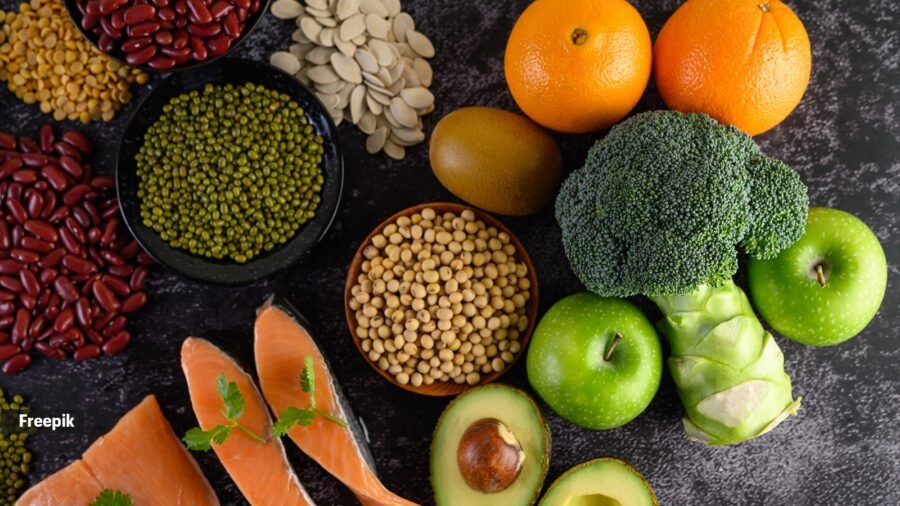
Fibre is often praised as a cornerstone of good health, but one question still lingers: how long does it actually take to feel the benefits? Is it immediate, or does it take weeks of consistent intake before changes become noticeable?
NHS surgeon Dr Karan Rajan explained this in an Instagram post, saying, “If you go and eat a high fibre meal right now, there is something happening invisible inside your body on a microbiome level. So even if you can’t feel the benefits of a higher fibre intake, there’s some, you know, magic happening there. We’ve had studies that show that your gut microbiome can adapt and take advantage of fibre in as little as 24 to 48 hours. They’ve done studies where they’ve compared low fibre and high fibre diets, and you see a spike at 24 to 48 hours where beneficial bacterial species start to spike.”
Story continues below this ad
But the story doesn’t stop there. According to him, the benefits build gradually over different timelines: “And then over a week, you might start to see improvements in bloating, regularity. Over a few weeks, seeing improvements in mood via the gut-brain axis, clarity in the skin, and the gut-skin axis. Over months and years, you then start to see those huge changes in metabolic health and risk reduction from chronic disease such as bowel cancer, heart disease, dementia risk, even, and a ton more.”
On changes happening within 24 to 48 hours at the microbiome level
Dr Adithya V. Naragund, senior consultant in GI & HPB Surgery at Cytecare Hospitals, Bengaluru, tells indianexpress.com, “When you increase fibre intake, your gut bacteria begin to ferment and adapt very quickly. Within a day or two, this shift can mean softer, more regular stools, less straining, and in some cases a reduction in constipation.”
For overall health, he adds that these rapid microbial changes “lay the foundation for improved metabolism and better absorption of nutrients.” While people may not notice dramatic external changes in just 48 hours, the gut ecosystem is already moving toward a healthier balance.
Are the improvements in bloating, mood, or skin that appear over weeks consistent for everyone?
“The benefits of fibre are real, but the pace of change varies greatly,” highlights Dr Naragund, adding that genetics determine how efficiently someone’s body responds to dietary fibre. At the same time, lifestyle factors like hydration, physical activity, and stress levels can either amplify or blunt the impact.
Story continues below this ad
He explains that someone who eats a varied, plant-rich diet and drinks enough water will likely experience quicker improvements in digestion, mood, and skin. In contrast, people with irregular diets, poor hydration, or underlying gut conditions may notice changes more slowly.’
View this post on Instagram
A post shared by Dr Karan Rajan (@drkaranrajan)
What type and amount of fibre should people realistically aim for daily to achieve these protective benefits?
For long-term protection, Dr Naragund notes, both soluble and insoluble fibres are important. Soluble fibre, found in oats, legumes, and fruits, helps control blood sugar and cholesterol. Insoluble fibre, found in whole grains and vegetables, adds bulk to stools and promotes bowel regularity.
“Adults should aim for at least 25 to 30 grams of fibre daily from a variety of sources. This level, when sustained over years, is strongly associated with reduced risk of bowel cancer, heart disease, and type 2 diabetes,” concludes the expert.

Sussanne Khan says she felt ‘more love’ for Hrithik Roshan’s mother after losing her own
By Sohail Khan · 28 Sep
COP31 hosts Australia and Türkiye face the fossil-fuel question
By Sohail Khan · 28 Sep