Home food the secret ingredient in Japan’s enduring badminton success
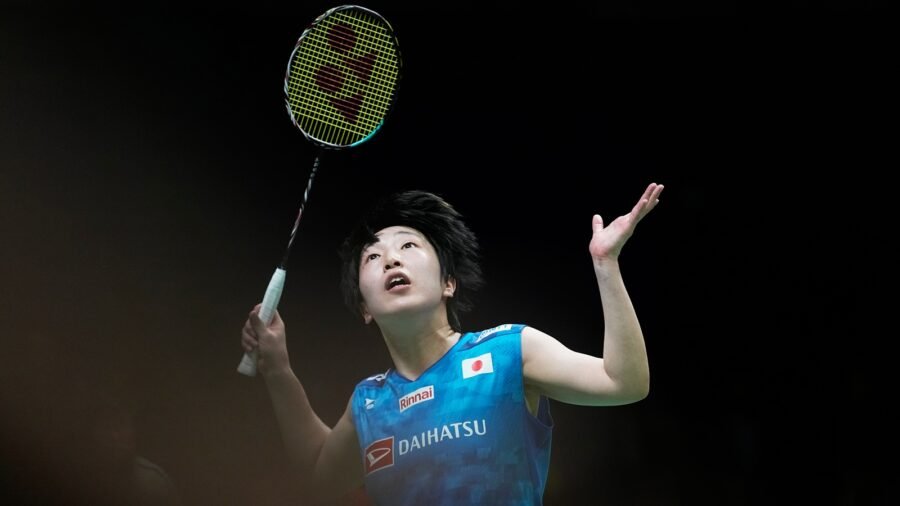
The Japanese are not known to take care of the minutest of details and their badminton contingent at the World Championships came with its own chefs, a tradition that goes back to 2017.
Kodai Naraoka and Akane Yamaguchi won silver medals in the singles categories and having the comfort of familiar food may have contributed to their success, apart from the usual factors of training and sports science.
“It’s important for us. I got home food. It helped me in recovery. It is great to have Japanese food around us,” Naraoka, who lost in the final to Frenchman Alex Larnier on Sunday, said.
Story continues below this ad
The initiative started by multinational food brand Ajinomoto has been a constant feature with the Japanese team at major Badminton events – including World Championships, Thomas & Uber Cup, and the Olympics.
“A lot of players had complained about the lack of nutrients and homely feeling in the food they get in other countries,” Yuki Ueno, Associate Director of Nutrition Group of Ajinomoto, told on the sidelines of the tournament. “That is when the Japanese federation requested us to come up with a solution and we started sending our teams.”
A team of five (three chefs and two directors) accompanies the players for all major events.
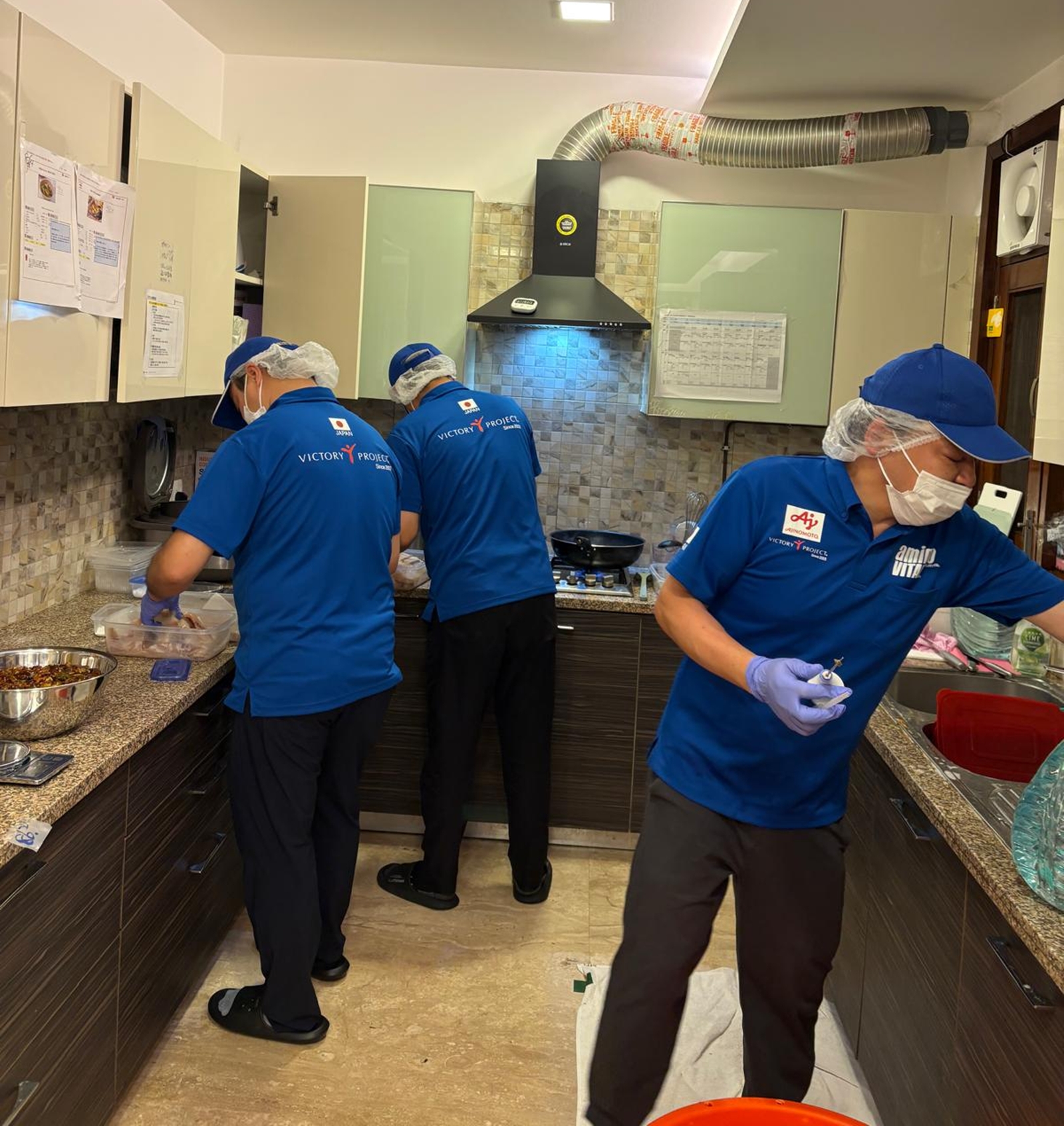 A team of five (three chefs and two directors) accompanies the players for all major events.
“It is a long process. Five of us travel and with us travels a lot of luggage that includes spices, food mixtures, seasonings and readymade food. We usually ask the shuttlers about their requirements and take those things with us,” said Yuki.
Story continues below this ad
While the badminton team travels a week before an event, the Ajinomoto team travels months before to recee and find spaces to set up their kitchen.
“We came here (New Delhi) in June and then again in July. We have to look for places and local vendors to get the packaging items and utensils,” Yuki said.
After they found an Airbnb near the Japanese team hotel, the team looked for utensils and kitchen items. Once the Japanese team arrives at a venue, the team of chefs start preparing food for them everyday.
“We prepare the food at our set-up, pack it in lunch boxes and carry it to the stadium. We do it according to the training schedule of the players,” he said.
Story continues below this ad
What’s on the menu?
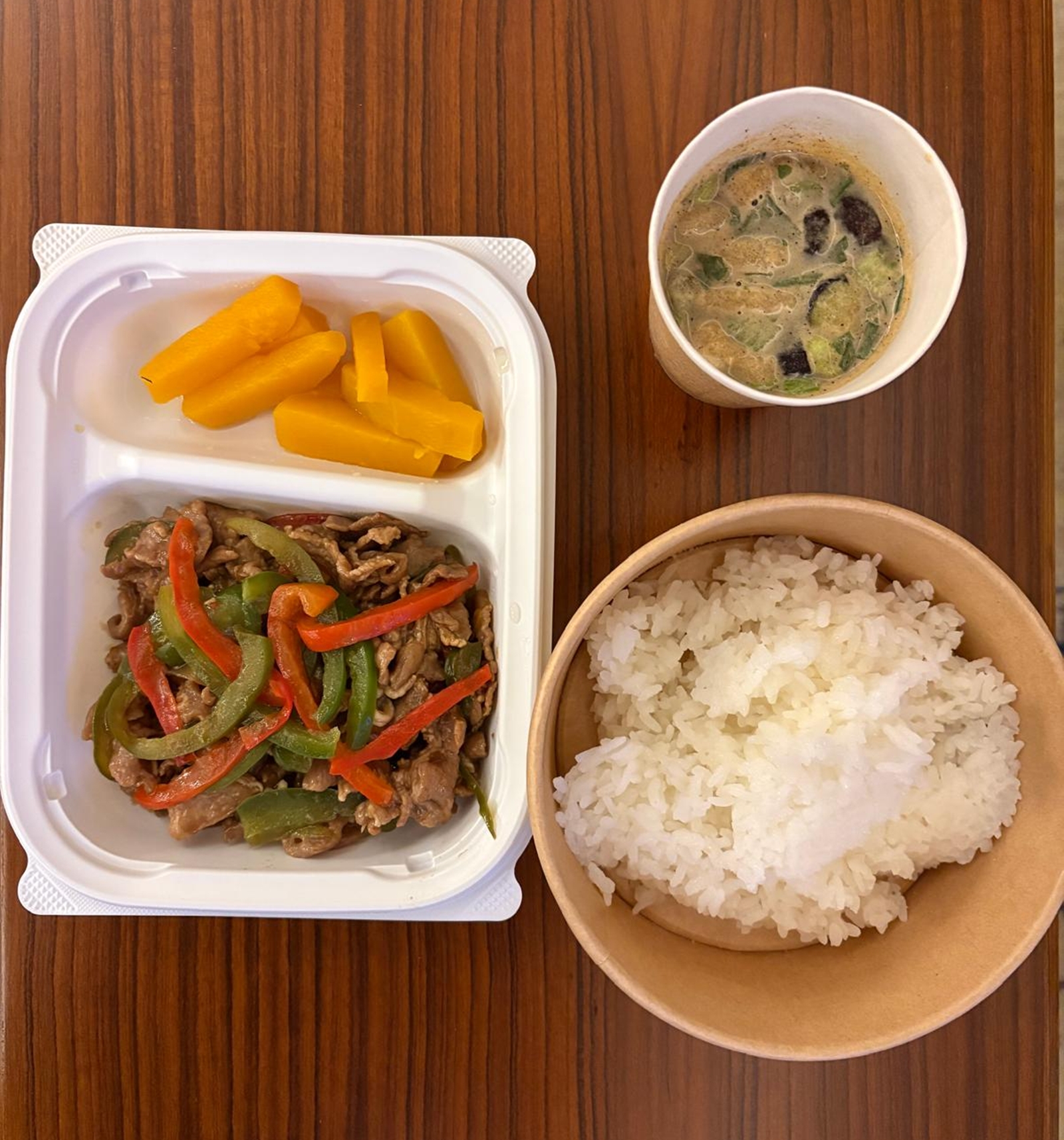 Yuki Ueno, Associate Director of Nutrition Group of Ajinomoto, said that white rice is the dish that is requested the most
The lunch box usually has four items.
“We have Japanese white rice, a main dish, a side dish and miso soup. Sometimes, they ask for some sweet dish but we make sure it’s not high in calorie content,” said Yuki.
He said white rice is the dish requested the most.
“It’s also the main source of protein for Japanese players along with miso Soup. So, they always ask for it.”
Story continues below this ad
Yamaguchi, who won her sixth World Championship medal in New Delhi, explained the need for a separate team of chefs.
“It’s important that we get our nutrients and even more important that we get them on time. The team ensures that food reaches us as scheduled. During late games, the food reaches our hotel room,” Yamaguchi told .
As the campaign ended on Sunday, the Ajinomoto team will take one day to rest before they pack up their luggage which has more than 30 items.
Ajinomoto is the nutrition partner of the Japanese Olympic Association and is also involved with sports like swimming and judo. They also run an initiative called ‘Victory Program’s which supports athletes across sports.
Story continues below this ad
“Our aim is to help our athletes win more and more medals at the world level and nutrition plays an important part in it,” Yuki added.
India at Asian Games 2026 Day 6, September 24: Full schedule, venue, fixtures & time
By Sohail Khan · 24 Sep
Wednesday’s MLB clinching scenarios: Guardians, White Sox on verge of making postseason
By Sohail Khan · 24 Sep
Why is Lonzo Ball not playing in the NBA? Has former Cavs guard announced his retirement?
By Sohail Khan · 23 Sep