Hockey: How tactical predictability, defensive disarray took India out
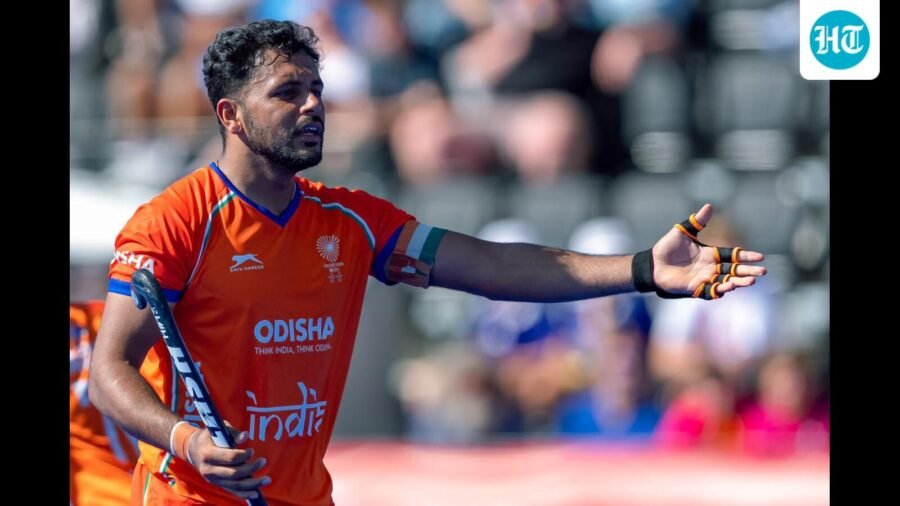
Of the16 goals in five matches, 12 were field goals and that number exposes the problems in India’s defensive structure
Published on: Aug 25, 2026, 23:29:33 IST
Prefer HTon Google
Share via
Copy link
NEW DELHI: The wait for a World Cup medal rolls on, extending the grim reality check for Indian hockey. Despite heading into the quadrennial showpiece with some confidence, India’s campaign collapsed under the weight of defensive frailties and tactical predictability.
While routine victories over lower-ranked Wales and Pakistan provided a false sense of momentum, India were comprehensively dismantled by the three elite teams they faced: the Netherlands (3-1), England (4-2), and Argentina. The final nail in the coffin, a 5-3 defeat to Argentina, encapsulated everything that went wrong.
It wasn’t a case of India being outclassed by dazzling, unplayable hockey; rather, the downfall was self-inflicted… born out of defensive disarray and a glaring inability to control the tempo of high-stakes matches.
Conceding 16 goals in five matches (an average of 3.2) is alarming enough, but the fact that 12 of those were open field goals exposes the problems in India’s defensive structure. In modern hockey, where fast transitions and 3D skills dictate the pace, relying on a leaky backline is a death sentence.
The defence failed not necessarily due to a radical change in style but because of a breakdown in basic fundamentals — man-to-man marking, positional awareness and communication.
Defending is a collective responsibility that starts from the front. However, when the initial press was bypassed, the Indian defence was frequently caught ball-watching, allowing unmarked attackers to penetrate the circle. Against Argentina and Netherlands, the gaps between the midfield and defence were regularly exploited, forcing the defenders into reactive and panicked tackles rather than proactive interceptions.
“Our marking was loose especially against the Netherlands and Argentina. I know the boys are putting in the effort but these small things are where we are behind and need to overcome. In defence, our marking was poor. We conceded 12 field goals which clearly indicates the defence not marking the opposition attackers properly,” former India skipper Sardar Singh told .
“There was no clear communication too in defence. What do you have to do, just communicate that go right or left. The communication skills need to improve. When you are going in as successive Olympic bronze medallists, you know rival teams will come having studied your game. The homework needs to be slightly better. Of course, the coach will strategise but it is you who has to go and execute.”
Against Argentina, India found themselves 0-2 down within six minutes on Monday. While they managed to claw back to 1-2 by half-time, the third quarter saw India lose their grip completely. The team abandoned their fast-attacking style, dropped deep and fell under pressure.
“Disappointing,” India chief coach Craig Fulton said. “We didn’t want the start we had but it happened. I am glad we got back into the game 1-2. Half-time came at a good time, we regrouped. Unfortunately, third quarter was a little hard to manage, we didn’t play our normal fast-attacking hockey but come the last 7-8 minutes we started to find our stride and scored two goals. We finished 5-3 down in a big game and unfortunately it wasn’t good enough.”
A significant tactical vulnerability was India’s over-reliance on captain Harmanpreet Singh. His drag-flick is world-class, combining sheer power with deceptive angles but elite teams have learned to neutralise India’s penalty corner routines. When the first rusher charges down, India’s secondary options, variation or second battery, often look uncoordinated.
When the PCs dried up, India’s Plan B was practically non-existent. The strikers showed lack of patience when entering the circle, often rushing the final pass or taking low-percentage shots instead of creating a PC or clear scoring chances.
“In tournaments like the World Cup you need to take that extra step,” said Sardar. “The last pass, especially while entering the opponent’s circle, was missing. The team needs a little more work in these areas. While entering the circle, either make a good pass, create a PC or take a shot at goal. We lost many chances via this. In high intensity matches, every second has immense value.”
The midfield struggled to feed the forwards cleanly, leaving Harmanpreet to shoulder a difficult burden. When a team relies so heavily on a single drag-flicker to bail them out, opponents simply focus on defending the circle cleanly and cutting off supply lines.
While tactical adjustments can solve short-term issues, the root cause of India’s struggles against top opposition lies much deeper.
“It is not a problem of players but of the system. We do not have a pool of 200-400 players but only of about 50. We need their replacements but we don’t have them,” former India skipper Pargat Singh told .
“In my opinion, England probably has the weakest structure among the top European nations but even they have multiple levels of structured league system going down to the grassroots. Let us not even discuss the Dutch structure as they are way ahead.
“Until we fix the structural issues we are not going to move ahead. From solving the problem of age fudging to having more All India tournaments like in the past, it is a long road ahead. We developed a group of 10-15 players who went on and won two Olympic medals and when they phase out, our hockey will go down again. It is a structural problem.”
India’s World Cup campaign was a harsh reality check. The successive Olympic bronzes masked the cracks in a system that is still way behind the structured setups of top European sides.
Until the issues are resolved quickly, the wait for that elusive World Cup medal will only stretch longer.
See Less

Praggnanandhaa sets up summit clash with Caruana
By Sohail Khan · 25 Aug
Uber cool Praggnanandhaa’s audacious Pawn adjust seals Keymer’s fate
By Sohail Khan · 25 Aug
Musheer Khan falls for 96 as North Zone claw back into Duleep quarterfinal
By Sohail Khan · 25 Aug
Leave a Reply