Ensure extradition pleas are submitted timely, jail facilities meet global norms: MHA to states
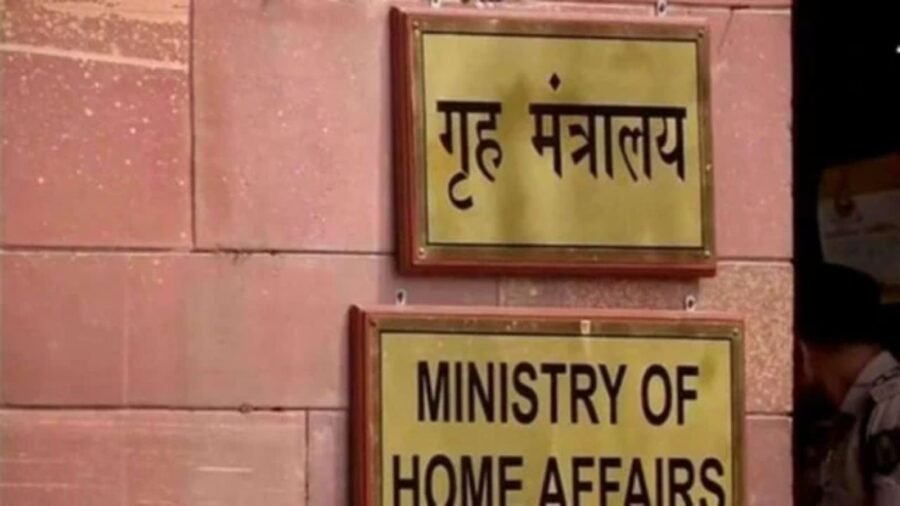
The Ministry of Home Affairs has asked states and Union Territories to ensure timely processing of extradition requests for fugitives abroad, flagging that delays by state police and investigating agencies can hamper efforts to bring them back, while also directing setting up of prison facilities in central jails that meet international standards, .
According to a source, “The MHA has sought updated details on the status of internationally compliant prison facilities and cases proposed to be withdrawn from extradition proceedings.”
India has brought back 274 fugitives from 36 countries since 2021 — a sharp escalation in extradition and deportation efforts. Earlier this month, in a communication to Chief Secretaries and DGPs of states/UTs, the MHA has said it had been observed that even after fugitives are traced or arrested abroad on the basis of Interpol notices, the state police or investigating agencies concerned often delay sending provisional arrest requests or formal extradition requests to the ministry, the source said.
Such delays, the communication said, adversely affect India’s efforts to secure return of fugitives, as foreign authorities are bound by their domestic laws and treaty obligations. “If formal extradition requests are not submitted within the stipulated time, the fugitive may be released, the period of provisional arrest may lapse, or the person may flee from the foreign country’s jurisdiction, making the process of tracing and arresting them again extremely difficult,” the source said.
This comes after a meeting last month with top officials of states/UTs, and central agencies, where issues related to strengthening extradition processes were reviewed, the source said. According to the source, the ministry has underlined that preparing a legally sound extradition request is primarily the responsibility of the investigating agency or state police concerned. The extradition process, however, requires coordination among the investigating agency or state police, the CBI through Interpol, the Union Home Ministry, the Ministry of External Affairs and the Indian mission concerned.
The MHA has advised all states/UTs and law enforcement agencies to prepare extradition dossiers in advance for cases in which Interpol Red Notices have been issued, so that provisional arrest or extradition requests can be sent immediately once a fugitive is located or arrested abroad, the source said.
During the meeting last month, the source said that discussions were held on “setting up extradition cells with sufficient staff, developing prison facilities in accordance with international standards, converting Interpol Blue Notices into Red Notices, and delays in forwarding extradition requests in cases where fugitives had been located abroad.”
Story continues below this ad
The MHA also noted that some states and agencies had been reluctant to proceed with extradition in matrimonial disputes and other cases which, according to them, may not meet the legal threshold of extradition. However, decisions in such matters had not been communicated to the MHA, the source said.
The ministry has also directed that all pending extradition matters be reviewed and cases unsuitable for extradition be identified or which they propose to withdraw from the extradition process.

Rajasthan CM Bhajan Lal called him ‘Jaadugar’, Ashok Gehlot now offers him a magic show
By Sohail Khan · 17 Aug
Cauvery wildlife sanctuary: Protests on, forest officials booked for murder of three
By Sohail Khan · 17 Aug

Leave a Reply