Black walls, solar heating and student-led learning: Inside Sonam Wangchuk’s school in Ladakh
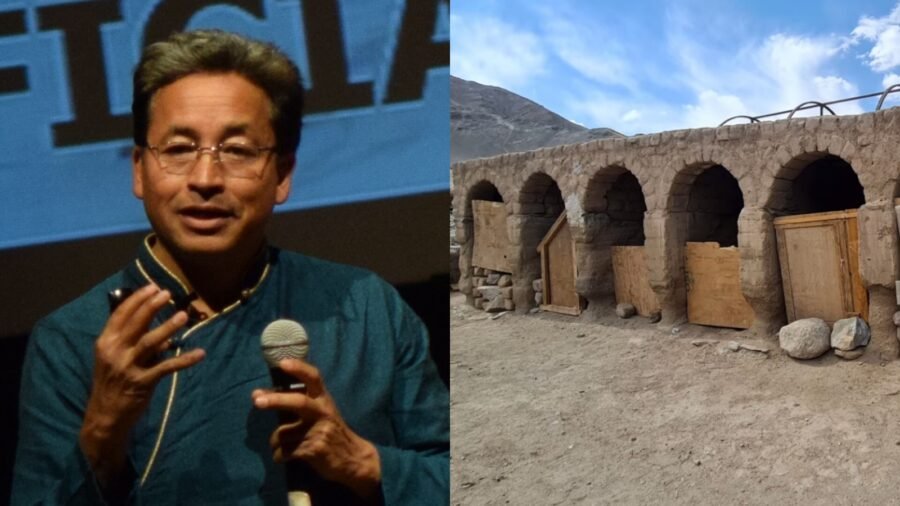
On the outskirts of Leh, Sonam Wangchuk’s school, Students’ Educational and Cultural Movement of Ladakh (SECMOL), offers a different idea of what an educational institute can look like. Founded in 1988, the solar-powered school inspired the plot of Rajkumar Hirani’s blockbuster hit 3 Idiots, starring Aamir Khan.
“The Campus is solar-powered and solar-heated; students learn ancient Ladakhi songs, dance and history alongside modern academic knowledge; and the students mainly manage, run and maintain the campus,” the official website of SECMOL reads.
At SECMOL, learning extends beyond textbooks and classrooms, with the campus itself becoming a lesson in sustainability, community living, and co-existing with nature. In a YouTube video shared 4 years ago, vlogger Akriti Rathore shared that the school is managed by its students.
Black walls to maintain warm temperatures
One of the first things that stands out on a campus tour is its use of black walls. Designed to absorb heat from the sun, the walls help keep buildings warmer during Ladakh’s cold weather.
The campus also has an art room, where students can explore their creativity through activities such as painting, crafting, and more. Rather than treating art as an extracurricular activity, the space is part of students’ everyday learning experience.
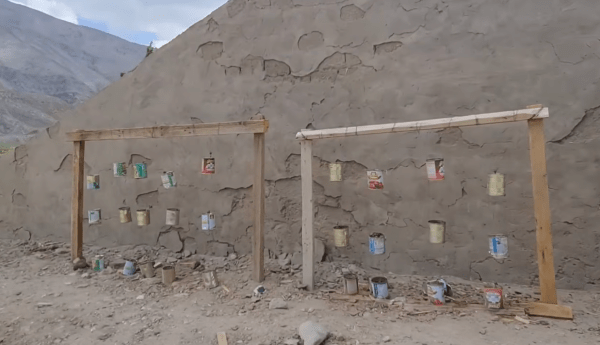 Co-founded by Sonam Wangchuk, SECMOL Campus grew into an eco-village
A common room serves as a space for meetings and discussion. The emphasis on community is visible across the campus, where students are encouraged to participate in activities and conversations that go beyond academics.
Story continues below this ad
Dedicated library
The library is another prominent feature, offering students a dedicated space for reading and learning. The vlogger shares that several people donate books for the students at SECMOL. But perhaps one of the most distinctive learning tools is the campus’ ‘word wall’. Whenever students learn a new word, they add it to the wall, creating a constantly evolving vocabulary display.
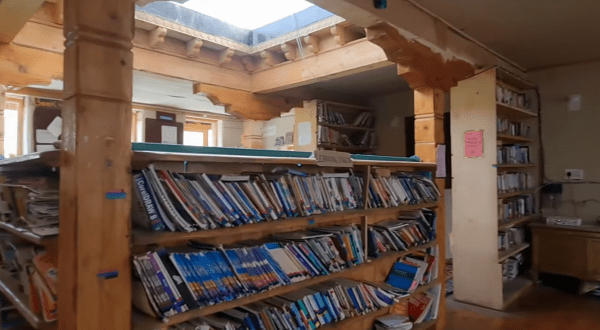 SECMOL has a dedicated library managed by its students
The campus also demonstrates how everyday necessities can become learning opportunities. Separate storage spaces are maintained for grains and vegetables, reflecting the importance of self-sufficiency in the high-altitude environment.
Horse riding, pebble painting
Outside the classrooms, the campus has a garden and plantation areas. Students participate in growing and caring for plants, while an irrigation system made using discarded plastic bottles offers an example of how waste materials can be repurposed.
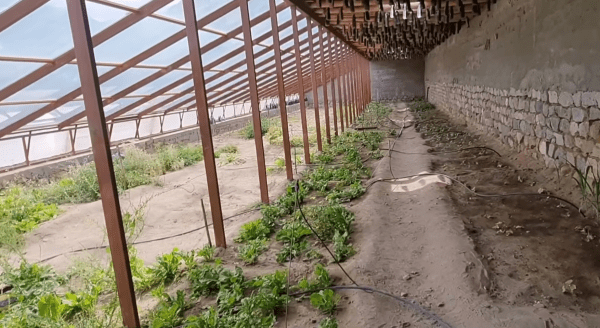 The campus has a garden where students grow organic vegetables
Some activities bring students closer to nature and traditional ways of life. Horse riding is among them, while activities such as pebble painting offer a creative outlet using materials found around them. The campus features several walls highlighting the 3 Rs: Recycle, Reuse, and Reduce.
Story continues below this ad
Classroom-based education vs SECMOL
Dr Rimpa Sarkar, PhD, Founder, Sentier Wellness, Mumbai, highlighted how learning in an environment like SECMOL differs psychologically from conventional classroom-based education. Calling it meaningful, the mental health expert explained that children develop autonomy, confidence, accountability, and problem-solving skills when they take responsibility for everyday tasks.
“Conventional classroom learning can provide strong academic foundations, but experiential learning adds an important dimension by helping children understand how knowledge applies to real life,” Dr Rimpa said.
She added that such learning experiences strengthen a child’s sense of competence. “When a young person realises that they are capable of contributing to a community and managing responsibilities independently, it builds self-efficacy, which is the belief that they can handle challenges effectively,” she explained.
Curiosity and critical thinking in children
A campus that encourages art, creativity, and community interaction, Dr Rimpa stressed, strongly influences a child’s curiosity and critical thinking.
Story continues below this ad
“Creativity also requires a degree of psychological safety. If children are constantly worried about giving the wrong answer or being judged, they may become reluctant to explore unfamiliar ideas. When they are encouraged to express themselves and debate respectfully, they learn to tolerate ambiguity, consider perspectives different from their own, and develop their own reasoning rather than simply accepting information passively,” she said.

Rahul Khanna, 54, gives a peek into his breakfasts
By Sohail Khan · 21 Sep
NIT-Srinagar to open campus observatory with 14-inch telescope
By Sohail Khan · 21 Sep
Expert Explains | How India could solve its summertime power cuts problem
By Sohail Khan · 21 Sep