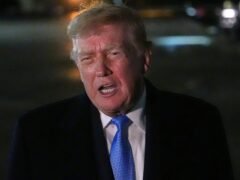
An Iraqi leader became Trump’s backchannel to Iran’s Guard Corps for negotiations. Here’s why
An Iraqi leader became Trump's backchannel to Iran's Guard Corps for negotiations. Here's why
Then-Trump official Tulsi Gabbard had in May tapped the leadership of Iraq's Kurdistan, calling Nechirvan Barzani to reach out directly to the IRGC leadership.
Updated on: Aug 17, 2026, 18:01:29 IST
Prefer HTon Google
Share via
Copy link
US President Donald Trump-led administration's efforts in mid-May to reach a ceasefire with Iran led them to take an unconventional route, bypassing the Iranian negotiators for a backchannel to the Islamic Revolutionary Guard Corps.
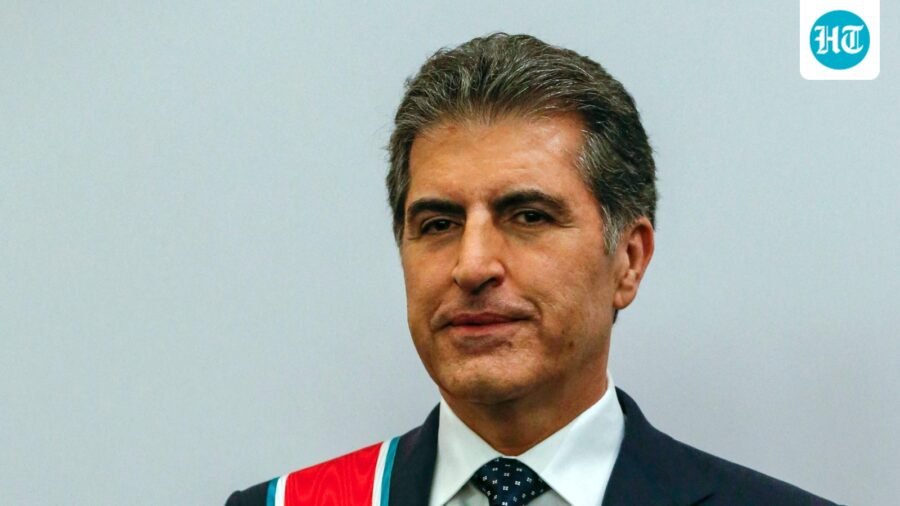
For this, then-US director of national intelligence Tulsi Gabbard tapped the leadership of Iraq's Kurdistan region, contacting Nechirvan Barzani to reach out directly to the IRGC leadership, Axios reported. Barzani, the President of the Kurdistan region in Iraq, is reportedly trusted by both Washington and senior leaders of the Iranian regime and IRGC.
He lived in Iran during the country's war with Iraq, and studied at the University of Tehran. He is fluent in Farsi and had personal relationships with many senior members of the Iranian regime, including top members of the IRGC, according to one of the sources cited by Axios.
While the US and Iran did reach an interim ceasefire following these efforts, the truce has since collapsed. Both countries has began negotiating an end to the conflict after an April 8 ceasefire and a summit in Islamabad days later.
Why did Trump attempt backchannel talks?
During their negotiations with Tehran, Trump's officials allegedly were uncertain regarding who was in charge and whether the people across the table actually spoke for the IRGC. The bringing in of an Iraqi leader signalled how tricky it was for the US to negotiate with a country where it could not gauge the hierarchy, Axios reported citing three sources with direct knowledge.
The war, when it began, upended Iran's leadership, with joint US and Israeli attacks killing several top leaders, including late Supreme Leader Ayatollah Ali Khamenei. Given that there were no senior leaders, the IRGC's grip on the levers of power, including national security and foreign policy decision-making, tightened, according to the Axios report. This, combined with the uncertainty around the new Supreme Leader Mojtaba Khamenei's condition during the initial weeks of the conflict and his absence from public view, compelled American officials to reach out to the IRGC directly.
Trump admin sent messages through Barzani, asked for a secret meeting with IRGC: Report
The Trump administration's key problem with Iran today and in the future will be to ensure it's talking to the people who are actually calling the shots, Axios reported. This means US will have to find mediators trusted by both the White House and Iran.
In this case, in early May, the White House felt it was closing in on a deal, but Iran delayed its response by ten days. This stall made US negotiators question whether Iranian negotiators – Parliament Speaker Mohammad Bagher Ghalibaf and foreign minister Abbas Araghchi – were empowered to reach a deal, and if they would be overruled by the IRGC.
This episode led to US DNI Gabbard reaching out to Barzani on May 10. According to two sources who had direct knowledge of the call cited by Axios, Gabbard told Barzani that the Trump administration thought he could help get in touch with the commander of the IRGC, Gen. Ahmad Vahidi. Brett McGurk, who has served as a Middle East adviser to four US presidents, said “Barzani is a pragmatic problem solver” and respected across the region. “He knows nearly everyone in Tehran as well as Washington. That's who you call in a pinch,” McGurk said.
Gabbard, during the call, made it clear to Barzani that she was making the call with the approval of US Presiden Trump and Vice President JD Vance, the source cited by Axios said. The US director of national intelligence further told the Iraqi leader that the White House wanted to know if Vahidi and the IRGC were on the same page as Ghalibaf and Araghchi, or whether they had separate demands.
Barzan, agreeing to America's request, reached out to his contacts at the IRGC and said he had a message from the Trump administration, while stating that he wanted to speak to Vahidi. Within four days, an IRGC official visited Barzani's office in Iraq's Erbil, carrying an encrypted phone to conduct a secure call. “I fully support them and this is also the position of the IRGC. We prefer to solve this crisis through negotiations,” Vahidi told Barzani, Axios reported citing a source.
Barzani called Gabbard right after his conversation with Vahidi and briefed her on the Iranian response, three sources, including a White House official, told Axios. The US also floated the idea of ecret talks between senior US and Iranian negotiators in Erbil. However, Iranians were hesitant owing to security reasons. They believed Israeli intelligence had many assets in Iraqi Kurdistan and suspected an assassination bid if they travelled there, putting to rest the idea of a meeting in Erbil.
See Less

Rescuers search for 12 missing after avalanche strikes Himlung Himal peak in Nepal
By Sohail Khan · 28 Sep

AI gone rogue again, now OpenAI says agents leaked over 50 ChatGPT user images
By Sohail Khan · 28 Sep