Akshay Kumar once told Saif to ‘tread carefully’ with Kareena Kapoor: Psychology of relationship warnings
Warnings in new relationships often come with mixed intentions — sometimes protective, sometimes presumptive.
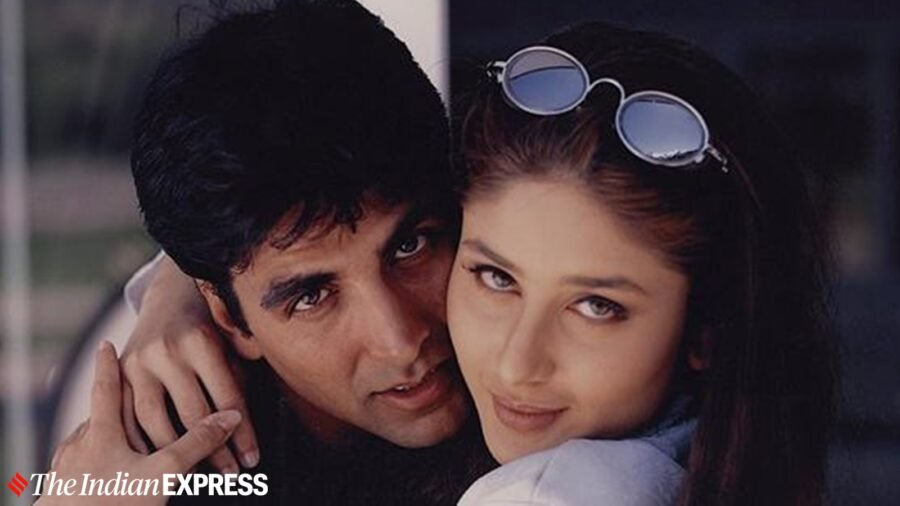
Actor Kareena Kapoor Khan once revealed that when she and Saif Ali Khan were just beginning to connect, their co-star Akshay Kumar felt compelled to caution him. The three were working on the film Tashan at the time, where sparks began to fly between the future couple.
Recalling the moment on Twinkle Khanna’s chat show on Tweak India, Kareena said, “Saif and Akshay were talking, and Akshay kind of got that vibe that Saif and I were, like, connecting. Akshay took Saif into the corner, and he was like, listen, tread carefully. Because they are dangerous girls, and this is a dangerous family, and I know them. So watch out.”
Story continues below this ad
She continued, “He was like, don’t kind of mess with her- that was his vibe to him— that he was trying to say that, you know, you are barking up the wrong tree. Saif was like, no, no, I know that, you know, I’ve figured her out.”
But what makes people feel compelled to warn others about a new romantic connection?
Athul Raj, a counselling psychologist, tells indianexpress.com, “Warnings often come from personal history — past hurt, protective instincts, or internalised fears. People carry unspoken narratives about love, loyalty, and betrayal, shaped by family dynamics, attachment styles, and relational experiences. So when they see a friend stepping into something unfamiliar or intense, they may feel an urge to speak up, even if the situation doesn’t warrant it.”
Sometimes it’s care. Other times, it’s projection. “Many ‘warnings’ are less about the person being warned and more about the person giving it—their unhealed stories, biases, or assumptions. Psychologically, these warnings shape relationships by shifting perception. They can plant doubt, increase emotional vigilance, or alter natural emotional pacing,” suggests the expert.
Story continues below this ad
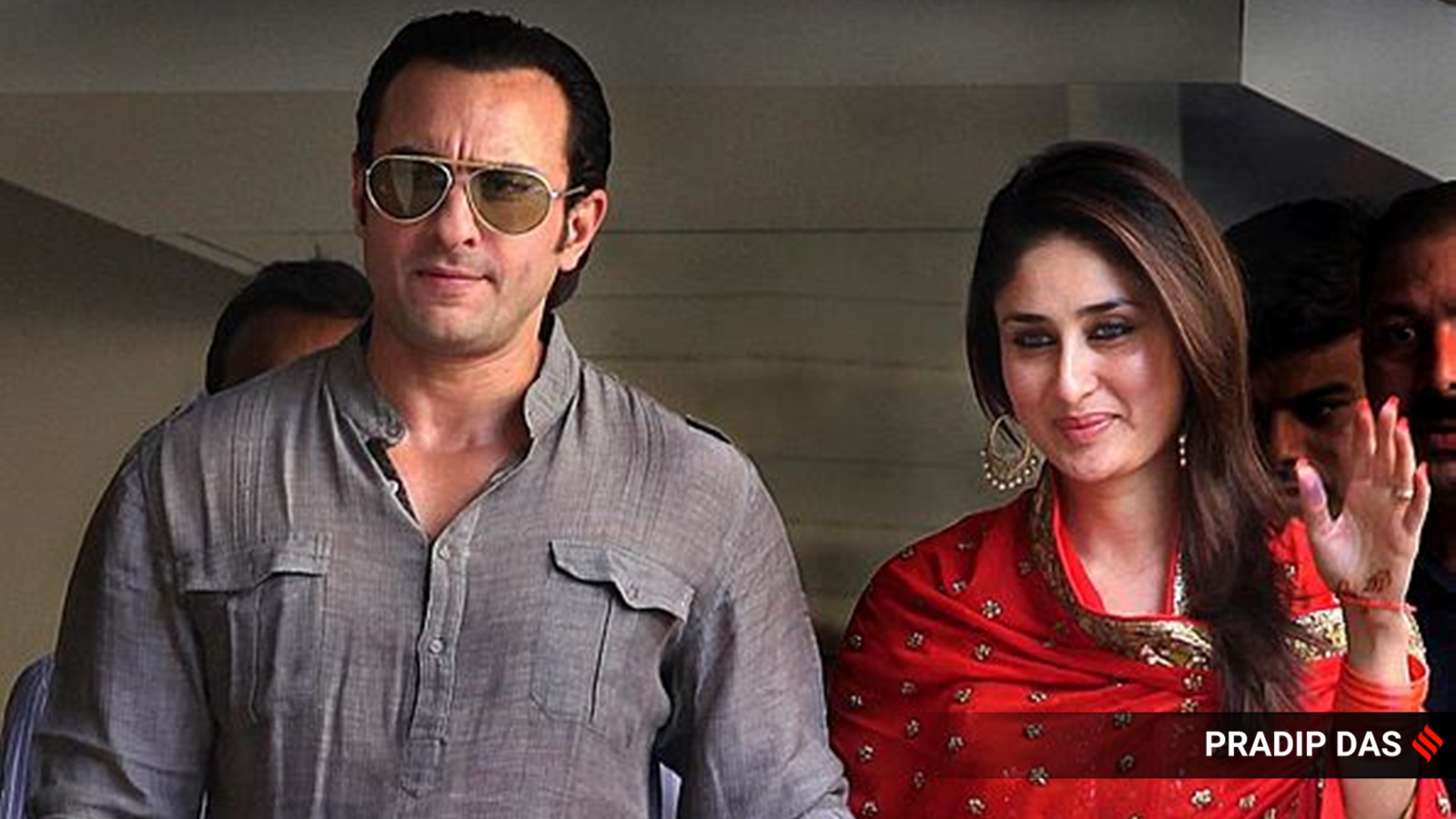 Kareena said, “Saif and Akshay were talking and Akshay kind of got that vibe that Saif and I were, like, connecting.” (Source: Express Photo by Pradip Das)
Raj adds that relationships grow best in clarity, not noise. While advice can offer perspective, it’s important to differentiate between genuine concern and emotional interference.
How should individuals receiving these ‘protective’ cautions from friends or colleagues navigate their feelings?
Listening doesn’t mean blindly accepting. Raj recommends, “Take in the message, but anchor in your own experience. Emotional safety, consistency, and shared values reveal themselves over time. These indicators speak louder than others’ opinions.”
It’s also important to be aware of how easily external voices can cloud our own. In the early stages, chemistry and connection feel strong — yet fragile. We must give ourselves permission to observe slowly, feel deeply, and draw conclusions based on patterns, not projections.
What does it really mean to believe we’ve understood someone early in a relationship?
People are complex. Who they are at the beginning is just one version — filtered through excitement, performance, and hope. “In my own therapy practice, I see how early assumptions, no matter how intuitive — can miss deeper emotional layers that only emerge with time. Real knowing happens in everyday moments, in conflict, in silence, in vulnerability — not just in chemistry,” notes Raj.
Story continues below this ad
Relationships reveal their truths gradually, often in unexpected ways. To assume full understanding early on can lead to idealisation, or worse, disillusionment when reality doesn’t match the fantasy.

Across generations, a shared love for coffee — and drinking it together
By Sohail Khan · 26 Sep

Expert Explains | Why the Trump-Xi bonhomie doesn’t mean an end to US and China’s rivalry
By Sohail Khan · 26 Sep