After prison, a laptop, 40 hens, and Rs 50,000 to start again
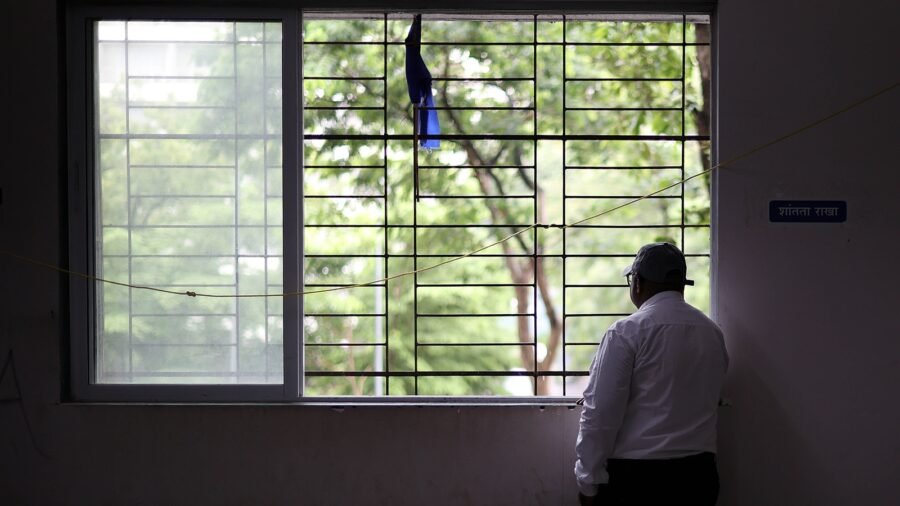
When the 44-year-old walked out of Kolhapur Central Jail in 2022 after nearly two decades in prison, he had a BA in History, a master’s in History and Sociology and a plan to study law. He did not have a laptop.
A Maharashtra government grant meant for released prisoners gave him Rs 25,000. He borrowed another Rs 5,000 and bought a secondhand one. Today he works as a legal assistant at a private firm in Mumbai. The man, who was convicted in a murder case, did not want to be identified.
From August 18, the grant that helped him take that first step is worth twice as much.
A Government Resolution issued by the Maharashtra Women and Child Development (WCD) department on August 18 has raised the grant-in-aid for released prisoners from Rs 25,000 to Rs 50,000. The scheme will also, for the first time, cover people acquitted after spending at least a year in custody, in addition to convicts and probationers under the Maharashtra Probation of Offenders Act, 1958. The increased grant applies to those released on or after August 18. The state Cabinet had cleared the proposal on July 14, and the GR states that the scheme will be reviewed every three years at the level of the Commissioner, WCD, Pune.
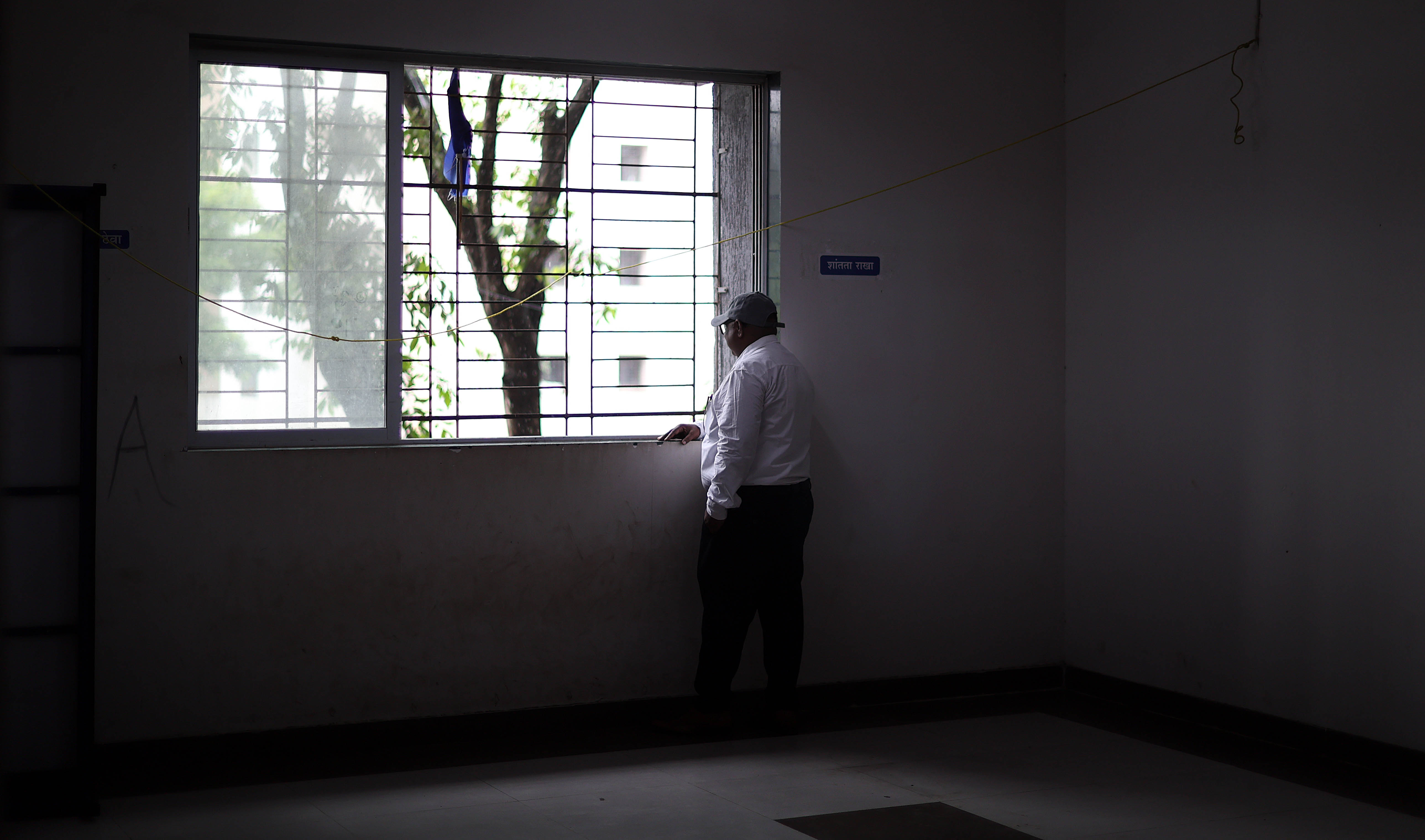 Maharashtra doubles rehabilitation grant to Rs 50,000, extends scheme to those acquitted after spending at least a year in custody.
What the money buys is small and specific. A sewing machine, carpentry tools, the set-up for a poultry farm, a secondhand laptop.
A 45-year-old farmer from Palghar, released in 2025 after nearly a decade in prison, received Rs 25,000 in June and put it into hens. He too did not want to be identified. “I purchased coops and some feed for the hen and a small flock of about 40 hens. I am currently farming but with the set up now complete, I will seek a loan from elsewhere and buy a larger flock,” he said.
A woman who spent more than five years in prison used the money to start a clothes business. Another beneficiary set up a paan shop.
Story continues below this ad
The 44-year-old from Mumbai had been planning for the grant since well before his release. He was in the second year of his BA when he was arrested in 2005 in a murder case, convicted a year later and sentenced to life imprisonment. “I did not want to spend the rest of my life defined by one mistake,” he said.
In 2007, he enrolled for a degree through Yashwantrao Chavan Maharashtra Open University and topped the course with a distinction. A master’s followed, then law. Inside prison he worked first in the hospital and later in the superintendent’s office, where officials noticed his handwriting and began asking him to fill in forms for other prisoners. That was where he heard about the government’s grant. “Many spoke of seeking the aid for setting up a small grocery shop, or start work as a carpenter, or tailor. I had decided then that I will apply for it on my release,” he said.
After his release, the Mumbai suburban district probation officer and Chandrakant Shinde, a social worker with Prayas, a field action project of the Tata Institute of Social Sciences, helped him apply. The NGO also helped him enrol in a law course at a city college.
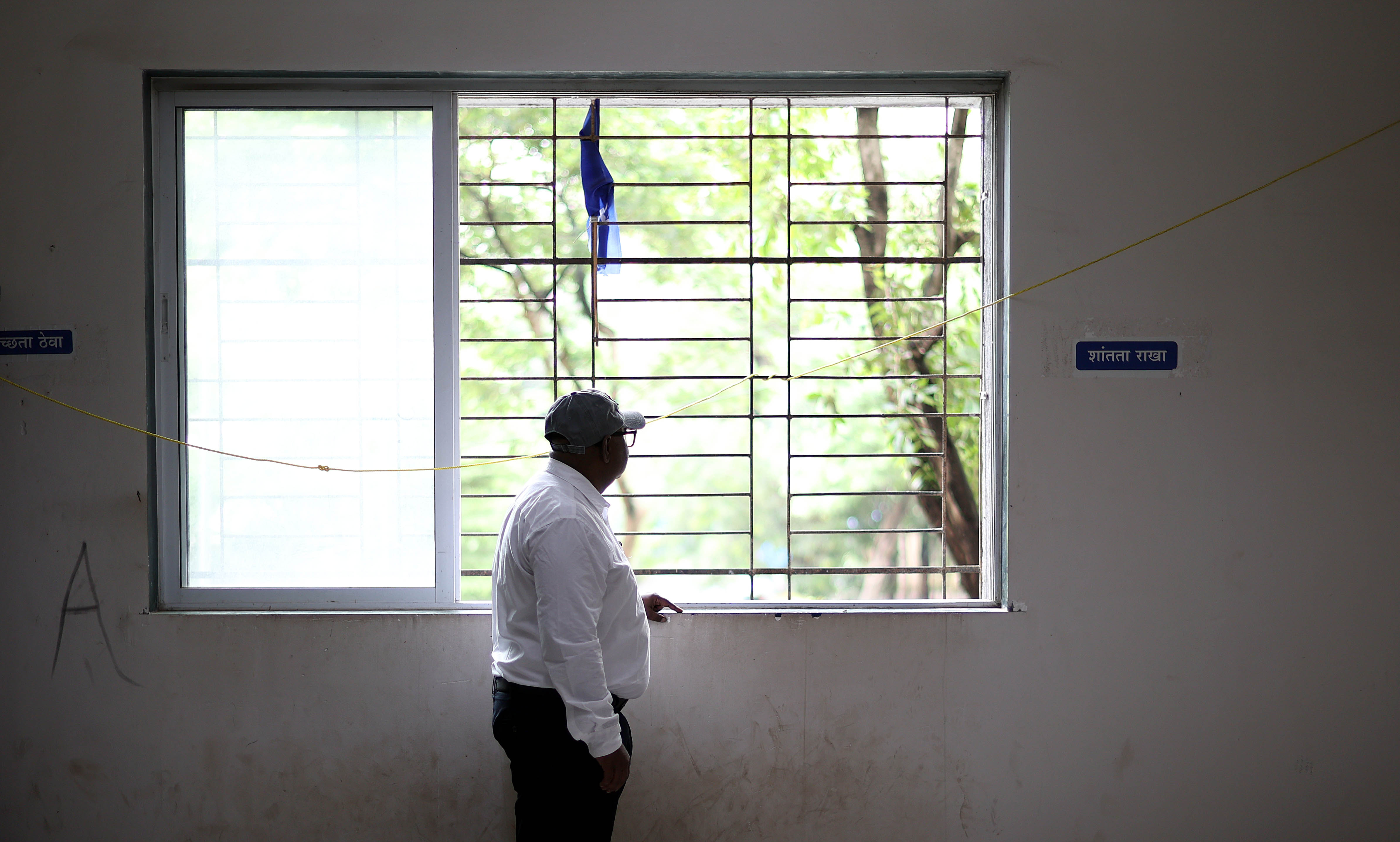 The 44-year-old from Mumbai was in the second year of his BA when he was arrested in 2005 in a murder case.
480 grants in a year
Story continues below this ad
Applicants submit a proposal through a probation officer, detailing the business, enterprise or other initiative they want to pursue, along with quotations for the items they intend to purchase. The probation officer conducts a home visit and submits a report. A report is also sought from the prison. Once the proposal is approved and the applicant submits documents including the release certificate, the money is disbursed.
The scheme is open to those aged 18 to 65, with priority for prisoners who trained in a trade inside and want funds for a set-up linked to it. It has remained small. It began in 1993 with a grant of Rs 1,000, raised to Rs 5,000 in 2002 and Rs 25,000 in 2016. That year the budget was Rs 12 lakh and 48 applications were approved.
In 2017, the Bombay High Court directed the state to raise the allocation to at least Rs 2 crore. The budget went up to Rs 1 crore in 2020, with another crore available if required. Officials said actual spending has been around Rs 1.20 crore, benefiting up to about 480 people a year.
Beneficiaries said the earlier Rs 25,000 was a start, and that any increase was welcome for more sustainable funding. Dr Vijay Raghavan, project director of Prayas, said Maharashtra was among the few states with a scheme of this kind for released prisoners. “Such a scheme recognises the state’s responsibility towards reintegration into society and rehabilitation of a population, who face stigma and challenges in getting employment,” he said.
A 2018 recommendation, still pending
Story continues below this ad
The Justice Radhakrishnan Committee on Prison Reforms, set up by the state on High Court orders, recommended in 2018 that the grant be allowed to cover a wider range of rehabilitation needs, including housing, household goods, education, training and skill development.
“This needs to be considered in light of the fact that not all prisoners have the capacity to run businesses specially if they do not have stable shelter,” the committee had said. The new GR raises the grant and widens the pool of people who can claim it. What the money may be spent on has not changed.