144 years on, Kipling Bungalow set to be transformed as Mumbais new art hub
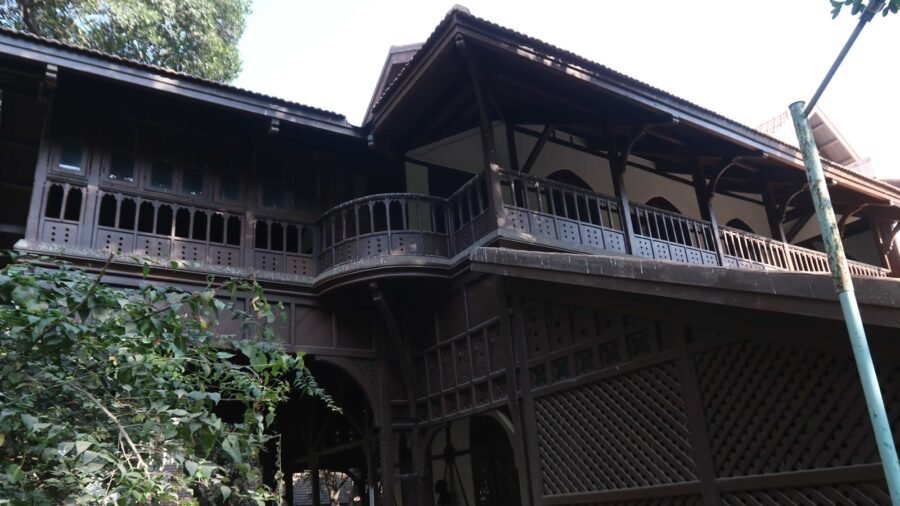
For over a century, the Kipling bungalow at Mumbai’s sir J J school of art Architecture and Design was home to the institute’ principals, deans and directors, before the building deteriorated considerably, prompting a conservation project undertaken by the state government, over a decade ago.
Today the 144-year-old heritage structure is being reimagined as a cultural destination with four art galleries, an amphitheatre, landscape spaces and areas for performances and public events.
The idea, according to officials, is to create a place for Mumbai’s art and cultural community akin to Delhi’s Bikaner House, a former royal residence, converted into a premier cultural and art center.
Story continues below this ad
The wood and brick structure that reflects the architectural character of colonial Bombay, was originally called the Dean’s Bungalow, for serving as residence of the heads of the institutions. It became popularly known as Kipling Bungalow, following its connection with the Jungle Book author Rudyard Kipling, an intrinsic part of the institute’s history.
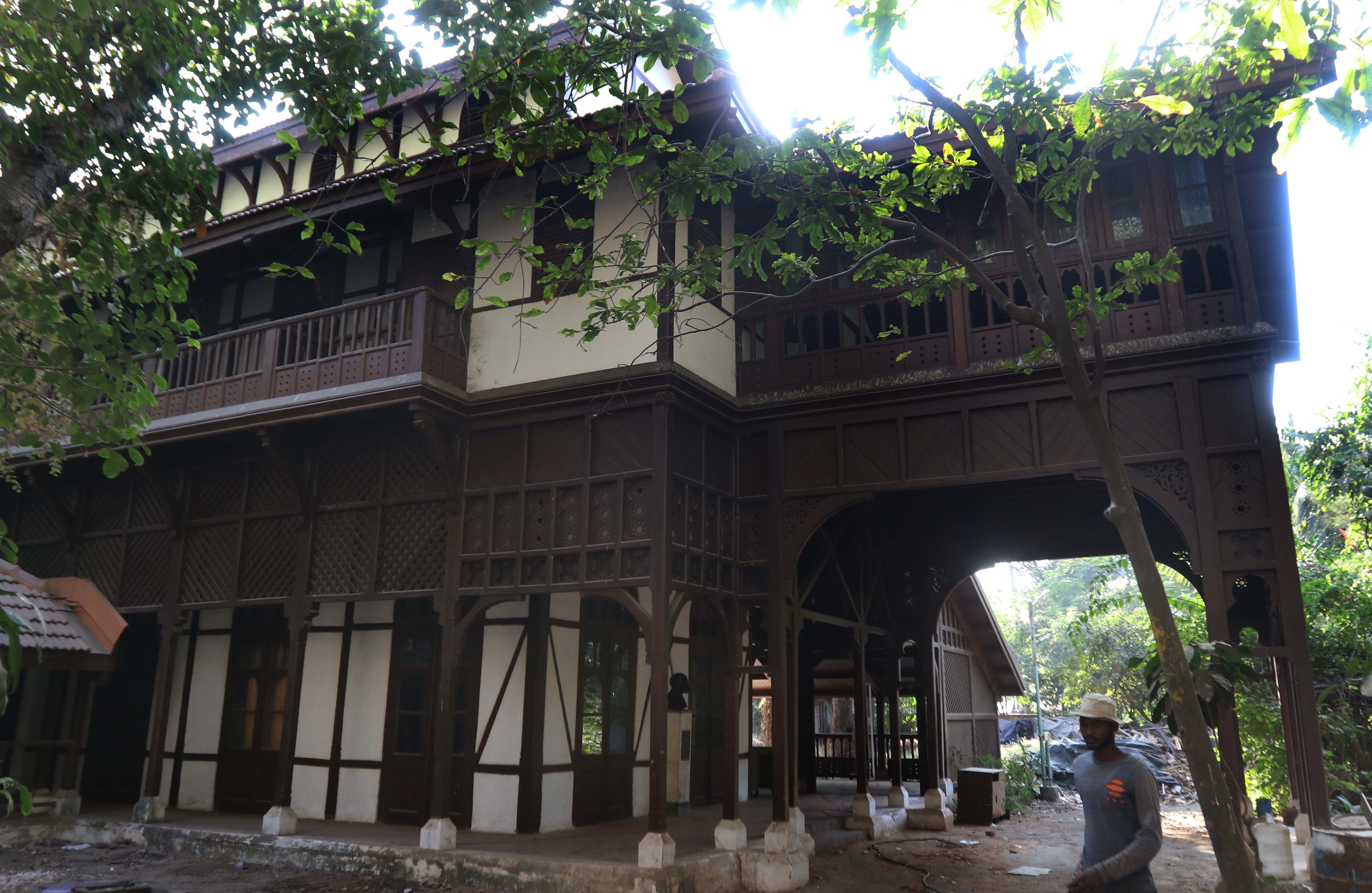 The Kipling Bungalow inside Sir J J School of Art, Architecture and Design in Mumbai.
In 1865, the author was born in the campus of the School of Art, where his father – artist and educator John Lockwood Kipling served as the first dean of the institution. The present bungalow however was built in 1882, nearly two decades after Kipling’s birth at the same place. The bronze bust of Rudyard Kipling sits on the plinth of the porch of the bungalow, which the authorities now will reimagine as a performing art space.
“It would be magical when there will be a singing performance happening here on the porch, while an art exhibition is being displayed inside the gallery to be built in the main bungalow structure. Tasteful sculptures spread across the campus, which are creations of our students, and will be displayed in the yards spread around bungalow with strategic lights placed on top of it, ” said Prof. Him Chatterjee, VC of the Sir J J School of Art Architecture and Design, Deemed to be university under De-Novo category, as he stood on the porch explaining the vision behind the new version of the Kipling bungalow.
In fact, it was Prof. Chatterjee’s question about where he would live that has set the plan in motion for the new life of the Kipling bungalow.
Story continues below this ad
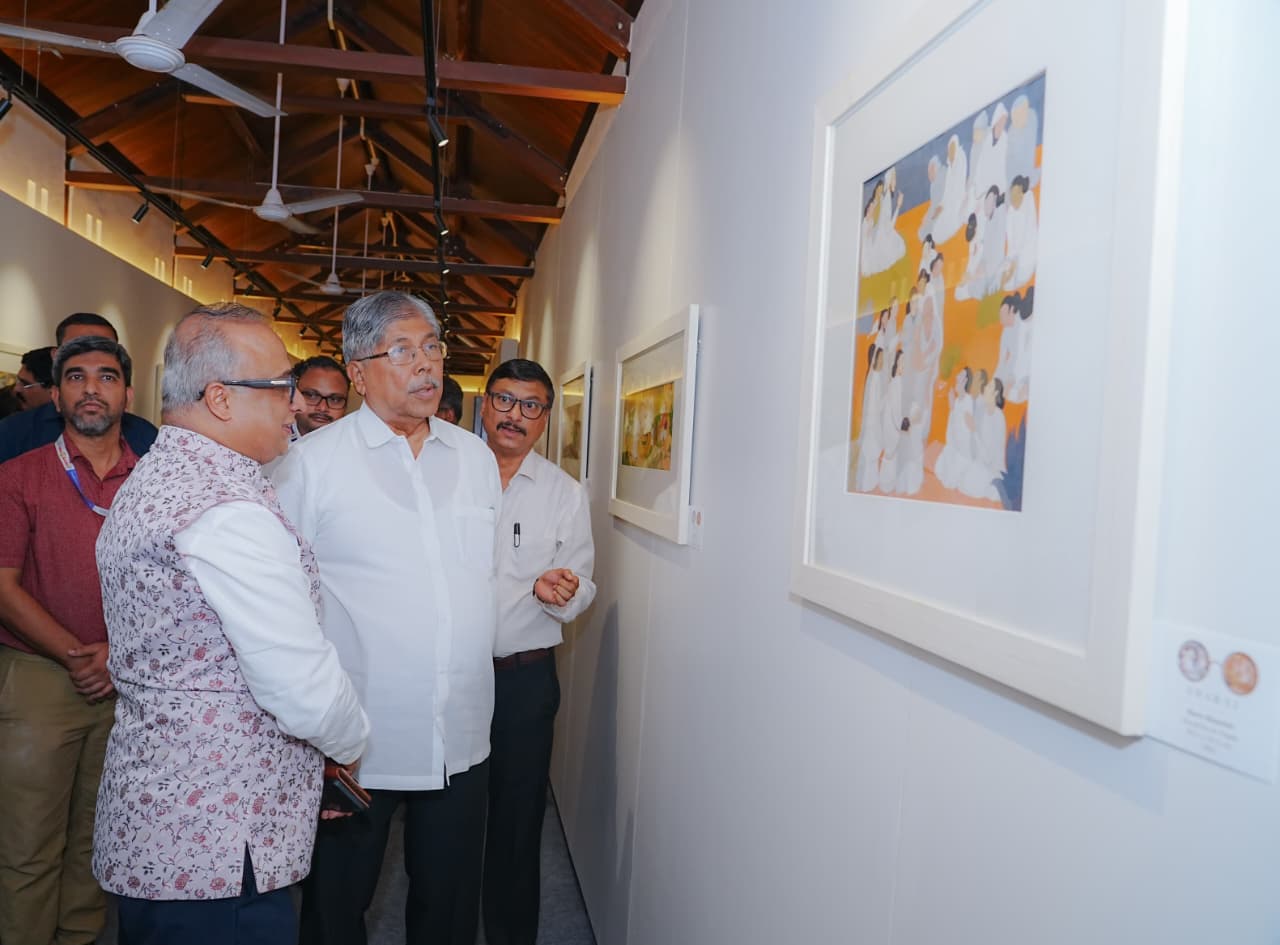 Maharashtra’s higher and technical education minister Chandrakant Patil (in white shirt) visited the Swaraj exhibition held in August at the newly opened art gallery, created by converting former servants’ quarters on the Kipling Bungalow premises, the first of four proposed art galleries planned across the heritage structure.
Coming from Himachal Pradesh, Prof. Chatterjee became the first person in many years to head this historic premier art institution in the city; as a complete outsider to Mumbai or Maharashtra. As he began to look for accommodation after taking charge, the process unexpectedly brought the forgotten bungalow back into focus.
Prof. Chatterjee spoke about how after taking over as full-time VC last year, his question about living arrangements would repeatedly be answered with the existence of a Dean bungalow on campus. “But when I actually went there to see, it was not in a condition to live in absence of facilities such as water supply,” said Chatterjee, who eventually found an alternative accommodation, but notes that this made him look at the bungalow differently.
Prof. Chatterjee shared how this came up during his discussions with Maharashtra’s Chief Secretary Rajesh Aggarwal. “Like me, he too has spent a significant amount of years in Delhi and knows the place of Bikaner House in Delhi’s art and cultural space. And we thought why can’t Mumbai have something similar..”, said Prof. Chatterjee.
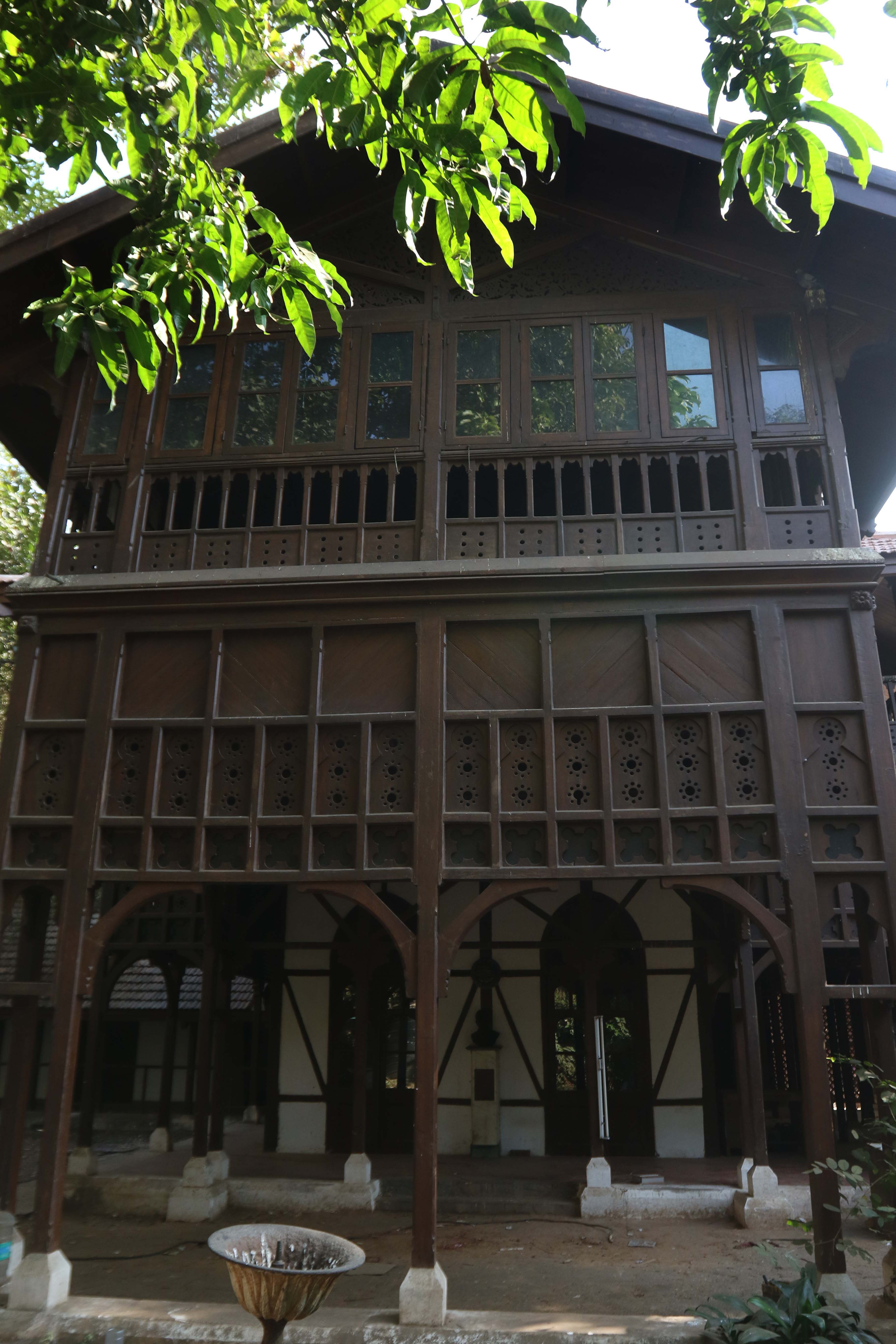 The Kipling Bungalow inside Sir J J School of Art, Architecture and Design in Mumbai.
The idea has since turned into a larger plan to turn the bungalow and its surroundings of nearly 1.5acres into a cultural space for Mumbai. The Maharashtra government has also extended financial support of Rs 10 crore for the project.
Story continues below this ad
The first of the proposed four art galleries has already taken shape in what Prof. Chatterjee said were formerly the servants’ quarters in the original premise surrounding the bungalow. “This was an area of 10-odd small rooms, like a stable. We had to break partitions between them to create one large area. As this is a narrow space, it was developed into one of the four art galleries envisioned on the premises,” said Prof. Chatterjee.
Maharashtra’s higher and technical education minister Chandrakant Patil (in white shirt) visited the Swaraj exhibition held in August at the newly opened art gallery, created by converting former servants’ quarters on the Kipling Bungalow premises, the first of four proposed art galleries planned across the heritage structure.
The gallery was also opened in August, around the country’s independence day — which gave the exhibition its name – Swaraj. “For this we brought out art works from the university’s archival collection, showcasing works dating from the 1940s to the 1960s. The exhibition included works by renowned artists such as V S Gaitonde, Jatin Das, M S Talwalkar – from when they were students at the institute; offering visitors glimpses into the formative years of the artists,” said Prof. Chatterjee.
He further added how the proposed art and cultural centre is envisioned to be an extension of the classroom. “Students of art learn so much outside of the classroom, with exposure to diverse artistic practices and conversations. This centre will allow them to engage with other forms of arts and to participate in interactions of cultural exchange,” said Prof. Chatterjee.

HC eases builder Avinash Bhosale’s bail conditions for overseas travel
By Sohail Khan · 31 Aug
DRI seizes ₹10.75-cr smuggled gold, five Bangladeshis among six held
By Sohail Khan · 31 Aug

Leave a Reply