’14 of 24 sudden deaths were under 45′: Why auto, cab drivers may face a hidden heart risk
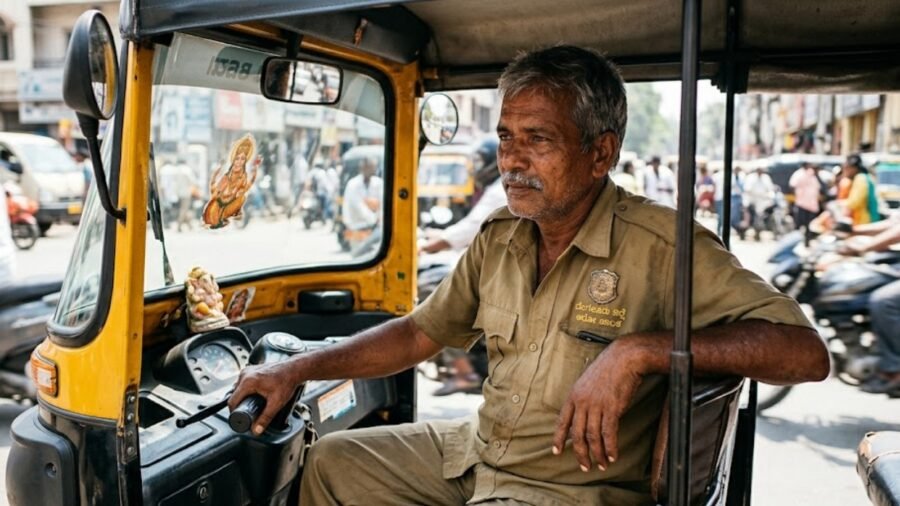
Health educator Prashant Desai recently highlighted a worrying pattern in a social media post, claiming that “six of the last 20 sudden cardiac deaths in one Karnataka district were auto or cab drivers.” He also noted that 14 of the 24 deaths examined were among people under 45. “Which means this is happening to people barely halfway through their working lives,” he wrote on Instagram.
Desai pointed to the occupational pressures drivers face, including long sitting hours, pollution, disrupted sleep and chronic stress, arguing that unlike professionals who can control their schedules, drivers often depend on spending longer hours on the road to earn a living.
He wrote that “a driver cannot make that choice” when it comes to getting adequate rest, and called for measures such as regular health checks, mandatory breaks and adequate sleep for people who spend long hours driving.
But how much do these occupational factors actually affect cardiovascular health? According to Dr B C Kalmath, Director & HOD, Department of Cardiac Sciences, KIMS Hospitals, Thane, prolonged driving can contribute to several established cardiovascular risk factors.
How does prolonged sitting affect the heart?
Spending 10–12 hours sitting behind the wheel can mean very little physical activity during the workday. Over time, this sedentary pattern can affect several markers of cardiovascular health.
“Spending long hours sitting, particularly when there is also little physical activity, has a negative effect on circulation, blood pressure, blood sugar and cholesterol levels,” Dr Kalmath says.
Story continues below this ad
Driving can also involve continuous psychological stress. Traffic congestion, deadlines, passenger expectations and financial uncertainty can keep drivers in a state of prolonged alertness.
According to Dr Kalmath, these factors can contribute to coronary artery disease and other cardiovascular disorders. However, he cautions against directly attributing a sudden cardiac event to long hours of driving alone.
“Although they do not by themselves cause a sudden cardiac event, they can increase the overall risk in a person who already has existing heart disease,” he explains.
View this post on Instagram
A post shared by Prashant Desai (@itsprashantdesai)
Poor sleep and pollution can add to the cardiovascular burden
“Lack of sleep or sleeping in an irregular manner can lead to higher blood pressure and increased levels of stress hormones and can have an effect on the body’s metabolic health,” Dr Kalmath says.
Air pollution is another concern, particularly for drivers who spend most of their working day in traffic. Long-term exposure can promote inflammation and damage blood vessels.
Story continues below this ad
Smoking further increases cardiovascular risk, while excessive alcohol consumption can contribute to high blood pressure and irregular heart rhythms.
“If all of these are combined with a sedentary type of work and long hours, the strain on the cardiovascular system can become considerable,” he adds.
Being under 45 does not mean you are risk-free
“One should not be led into a false sense of security on account of age,” says Dr Kalmath.
Drivers should pay attention to symptoms such as:
* Chest pressure or discomfort
* Breathlessness
* Unusual sweating
* Dizziness or fainting
* Palpitations
* Unexplained fatigue
* Pain radiating to the arm, shoulder, back or jaw
Story continues below this ad
These symptoms are particularly concerning when they occur during physical activity or while driving.
“Any new, severe or continuing symptoms require an immediate medical assessment,” Dr Kalmath stresses.
If chest discomfort occurs along with breathlessness, sweating or fainting, a person should not attempt to drive themselves to a hospital.
What can drivers do if long hours are unavoidable?
Dr Kalmath recommends taking a short break every one to two hours to walk, stretch and move the legs.
Story continues below this ad
“The first thing to do is not to sit for long periods,” he says.
Regular exercise outside working hours is also important. Drivers can combine brisk walking or other aerobic activities with strength training, depending on their fitness level and medical status.
Sleep should also be treated as a health priority rather than something to sacrifice for additional working hours. Dr Kalmath advises maintaining steady, good-quality sleep and avoiding reliance on smoking, alcohol or excessive caffeine to deal with fatigue.

Best places in India to see tigers in the wild
By Sohail Khan · 28 Sep
China’s space diplomacy brings Pakistani astronauts closer to orbit
By Sohail Khan · 28 Sep
What a US diesel export ban could mean for energy markets globally, and India
By Sohail Khan · 28 Sep