10 practical ways parents can help keep children safe in digital world

From online classes and gaming to social media and AI-powered tools, children today are growing up in a world where being online is second nature. While the internet offers endless opportunities to learn, create and connect, it also exposes young users to cyberbullying, scams, misinformation, inappropriate content and privacy risks. According to Sandeep Kumar, Founder, COP (Child Online Protection) App, digital safety has become an essential part of parenting—and it starts at home.
1. Make digital conversations a part of everyday parenting
“Children are more likely to seek help when online challenges arise if conversations about their digital lives are open, regular, and free from judgment,” Kumar tells indianexpress.com.
Instead of waiting until something goes wrong, he suggests asking children about the apps they use, the content they enjoy and the people they interact with online, just as naturally as you would ask about their day at school.
Shilpi Saraswat, Clinical Psychologist, Sakra World Hospital, Bengaluru, agrees with this.
“It’s important to talk about digital safety rules: like never share personal information, time management, keep passwords private, don’t talk to or add strangers to your friend list, teach digital kindness,” the psychologist notes.
2. Establish healthy digital boundaries early
Healthy screen habits don’t develop overnight. Setting clear expectations around screen time, device-free family time, bedtime usage, and age-appropriate content can help children build a healthier relationship with technology.
Story continues below this ad
As Kumar points out, “Boundaries are most effective when they are explained, agreed upon, and consistently followed,” making it important to involve children in the process instead of imposing rules without discussion.
3. Keep technology visible, especially for younger children
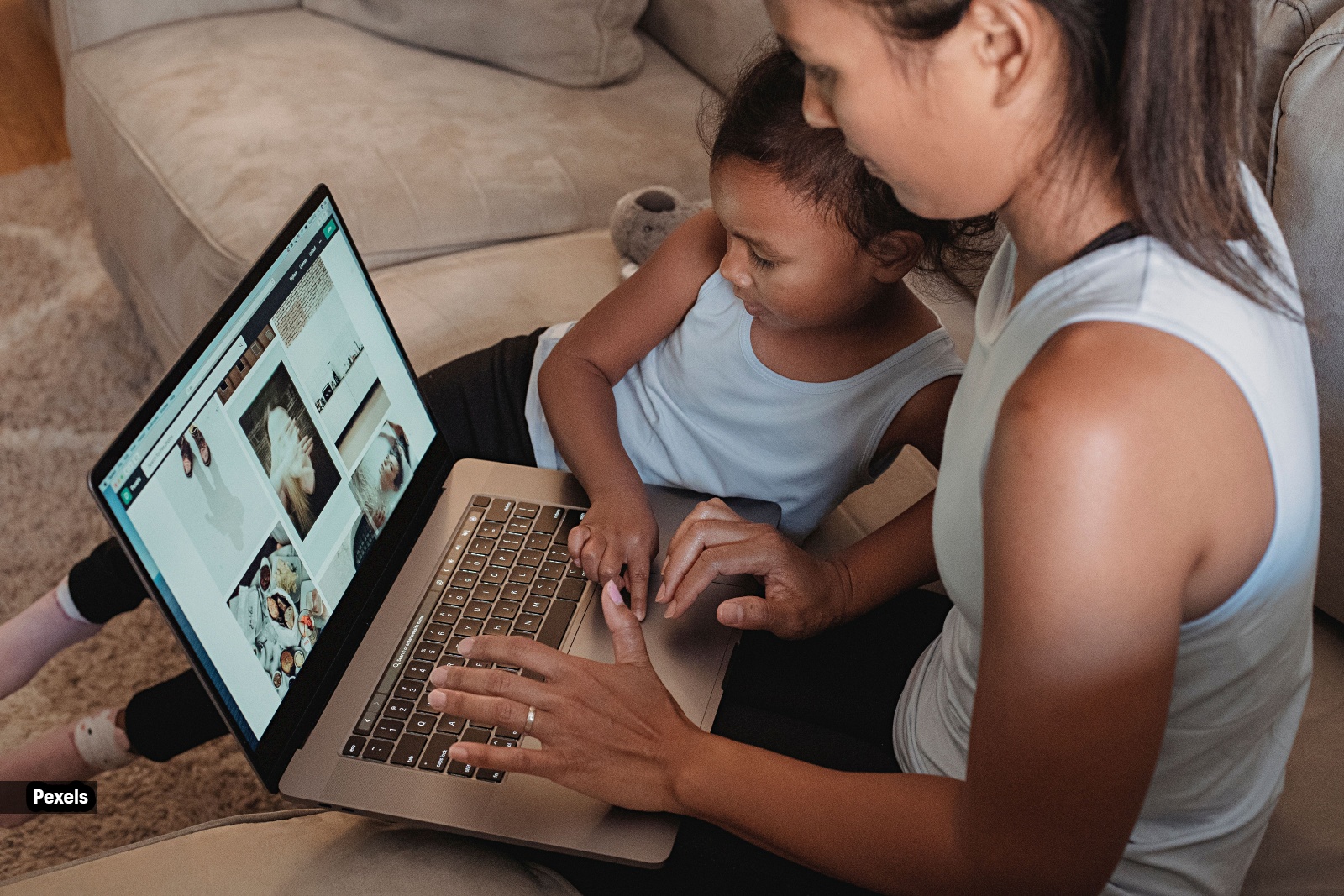 Whenever possible, encourage children to use digital devices in shared family spaces
Giving younger children unrestricted access to devices behind closed doors can make supervision difficult. Kumar recommends encouraging them to use phones, tablets, and computers in shared family spaces, explaining that “this simple practice creates opportunities for natural supervision, promotes transparency, and reduces the likelihood of unsafe online behaviour without making children feel constantly monitored”.
4. Teach privacy as an essential life skill
Many children don’t realise how easily personal information can be misused online.
“Children should understand that personal information including their location, school details, passwords, photographs, and contact information should never be shared casually online.”
Story continues below this ad
Helping children understand these risks early, Kumar says, equips them to make safer decisions throughout their digital lives.
“Digital safety and digital detox should be a part of everyday parenting like other safety,” the psychologist adds.
5. Stay informed about the digital platforms they use
Parents don’t have to know every trend or become technology experts, but having a basic understanding of the apps, games and social media platforms children use can make a big difference.
“Understanding how these platforms work enables parents to have meaningful conversations about their benefits, risks, and privacy settings.”
Story continues below this ad
6. Build digital literacy, not just digital restrictions
“The internet offers incredible opportunities, but it also exposes children to misinformation, scams, AI-generated content, and online manipulation,” the digital expert points out.
As per Kumar, teaching children to “question, verify, and think critically” about what they see online is one of the most valuable skills parents can impart, helping them become more confident and responsible internet users.
7. Pay attention to behavioural changes
 Be cautious if your kid shows sudden increase in secrecy, anxiety when separated from devices, or withdrawal from family interactions
“A sudden increase in secrecy, disrupted sleep, anxiety when separated from devices, declining academic performance, or withdrawal from family interactions may be indicators of unhealthy digital habits or negative online experiences,” Kumar notes.
Rather than reacting with punishment, the expert explains that these changes should invite conversation rather than “immediate punishment.”
Story continues below this ad
8. Use technology as a support system, not a replacement for parenting
Parental control tools can certainly help manage screen time, filter inappropriate content, and provide visibility into online activity. However, Kumar cautions, “Technology is most effective when it complements trust, communication, and active parental involvement, not when it replaces them.” In other words, no app can replace an involved parent.
9. Model the digital habits you want your child to develop
Children often imitate what they see at home. Demonstrating balanced screen use, respecting device-free family time, and being mindful of your own digital behaviour can have a lasting impact. After all, as Kumar notes, “Children learn as much from observation as they do from instruction.”
10. Create an environment where children feel safe asking for help
Perhaps the most powerful online safety tool isn’t technology at all—it’s trust. Children should know they can speak openly about uncomfortable online experiences without fear of blame or immediate punishment.
“When children know they will be listened to and supported, they are far more likely to seek help before small concerns become serious problems,” says Kumar.
Story continues below this ad
Psychologist Saraswat suggests that children should be assured about “emotional regulation techniques”.
As children’s digital lives continue to evolve, experts say the goal isn’t to keep them away from technology but to prepare them for it. A combination of open communication, healthy boundaries, digital literacy and parental involvement can go a long way in helping children navigate the online world safely and confidently.
Rishi Sunak, Ro Khanna, Dinesh D’Souza: united by colour; divided among white nationalists
By Sohail Khan · 28 Sep
From Nepal to India, how AI is improving disaster management
By Sohail Khan · 28 Sep
40 years ago September 28, 1986: Relief for Haryana farmers
By Sohail Khan · 28 Sep