No Dussehra or Diwali here: Yavatmal’s dry fields leave farmers counting losses
Story continues below.
Subscribe to see fewer ads.
Landge is part of a 10-member household comprising him and his wife, their two sons, daughters-in-law and grandchildren. He owns seven acres, with the remaining land divided between two sons. His son Swaroop, 36, cultivates six acres.
Landge spent around Rs 21,000 per acre and would normally expect five to six quintals of cotton. “But this year there is no production,” he said.
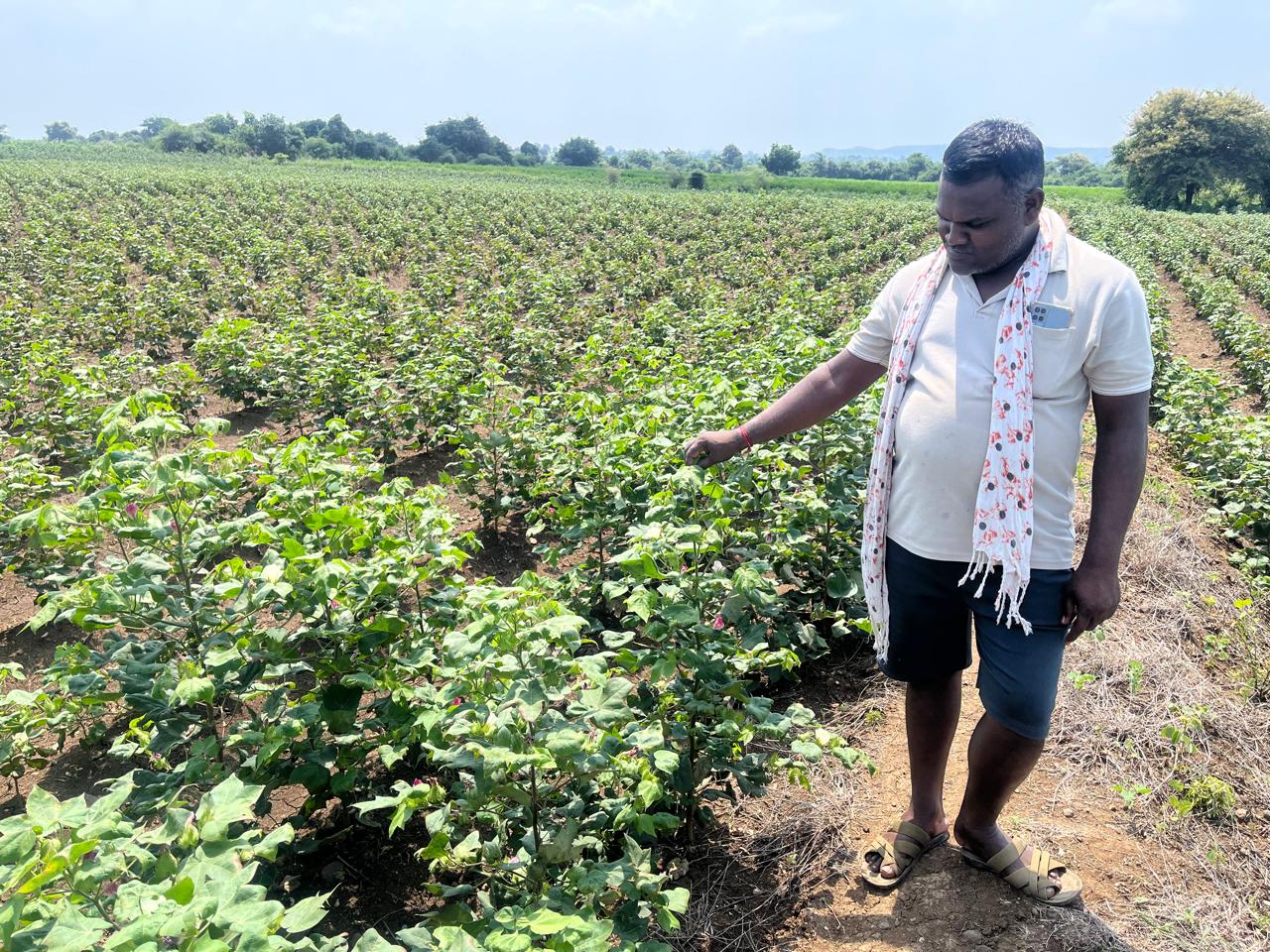 Nitin Nagose showing his crops in the field.
The family has already been forced to sell their livestock. Four cows and two buffaloes were sold for about Rs 60,000 because the animals could no longer be maintained.
Landge said insurance policies taken in earlier years have not yielded payments. His crop loan of Rs 2.10 lakh has remained overdue, while his son has an outstanding loan of about Rs 1.10 lakh.
Story continues below this ad
The family pledged household utensils to keep the cultivation going. “Diwali and Dussehra will come, but we will have to continue according to whatever the situation is,” he said.
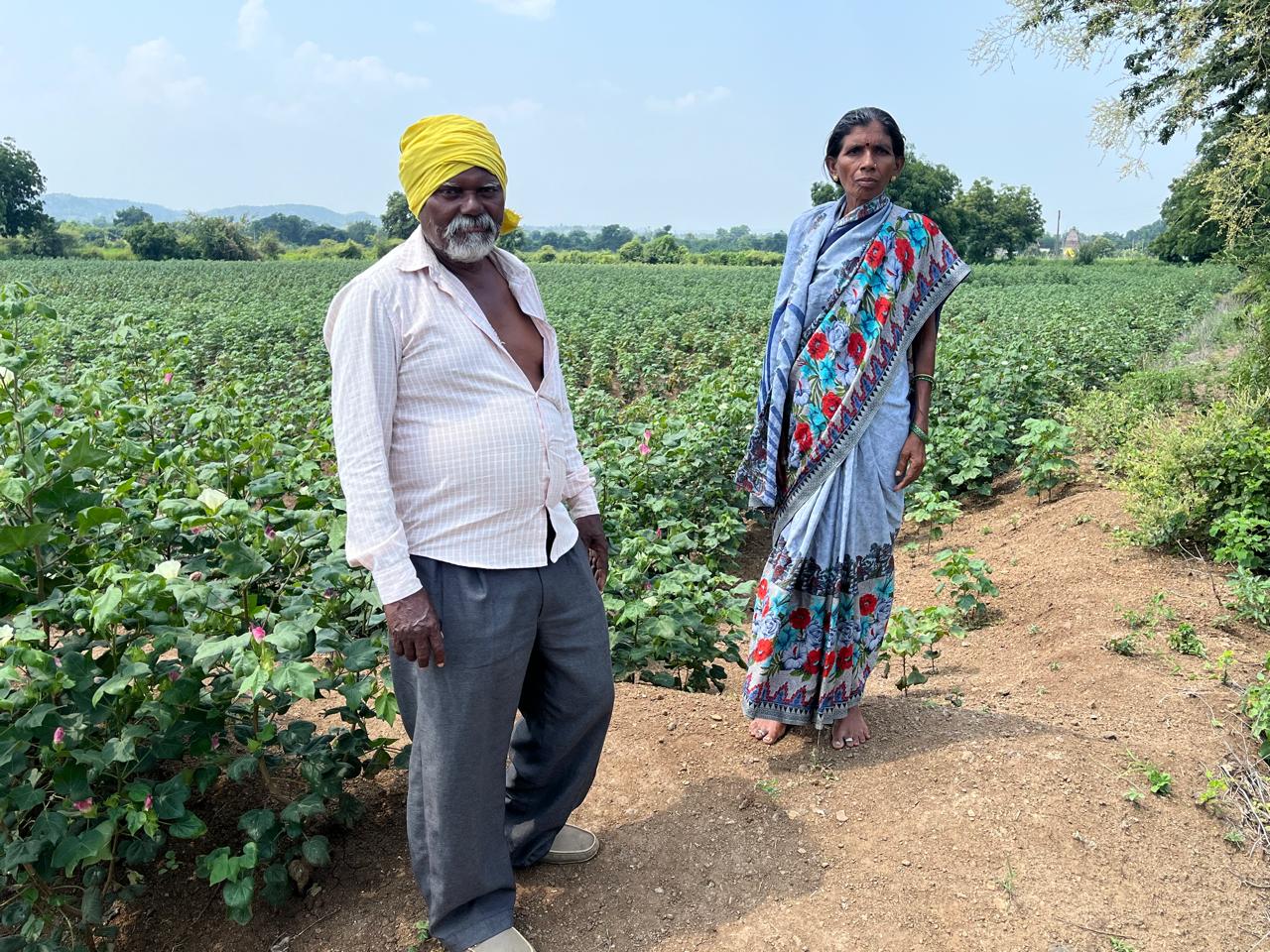 Subhash and Sumanbai Meshram.
At Dhanodi, 49-year-old Chitaman Vitthal Bhoyar is facing a similar crisis on his 3.16-hectare holding — one hectare under soybean, two hectares under cotton and 16 gunthas under tur. The soybean crop did not develop because of lack of water.
“In a good year, I would have got about 25 quintals of soybean. This year, I may get only five,” Bhoyar said. “For cotton, I would have got around 35 quintals. This year, just seven to eight.”
His cultivation expenditure has reached about Rs 2.75 lakh, while total crop income may be only around Rs 90,000.
Story continues below this ad
Pulling out a plant and showing the sparse pods, he said, “Look at this. What will come out of this?”
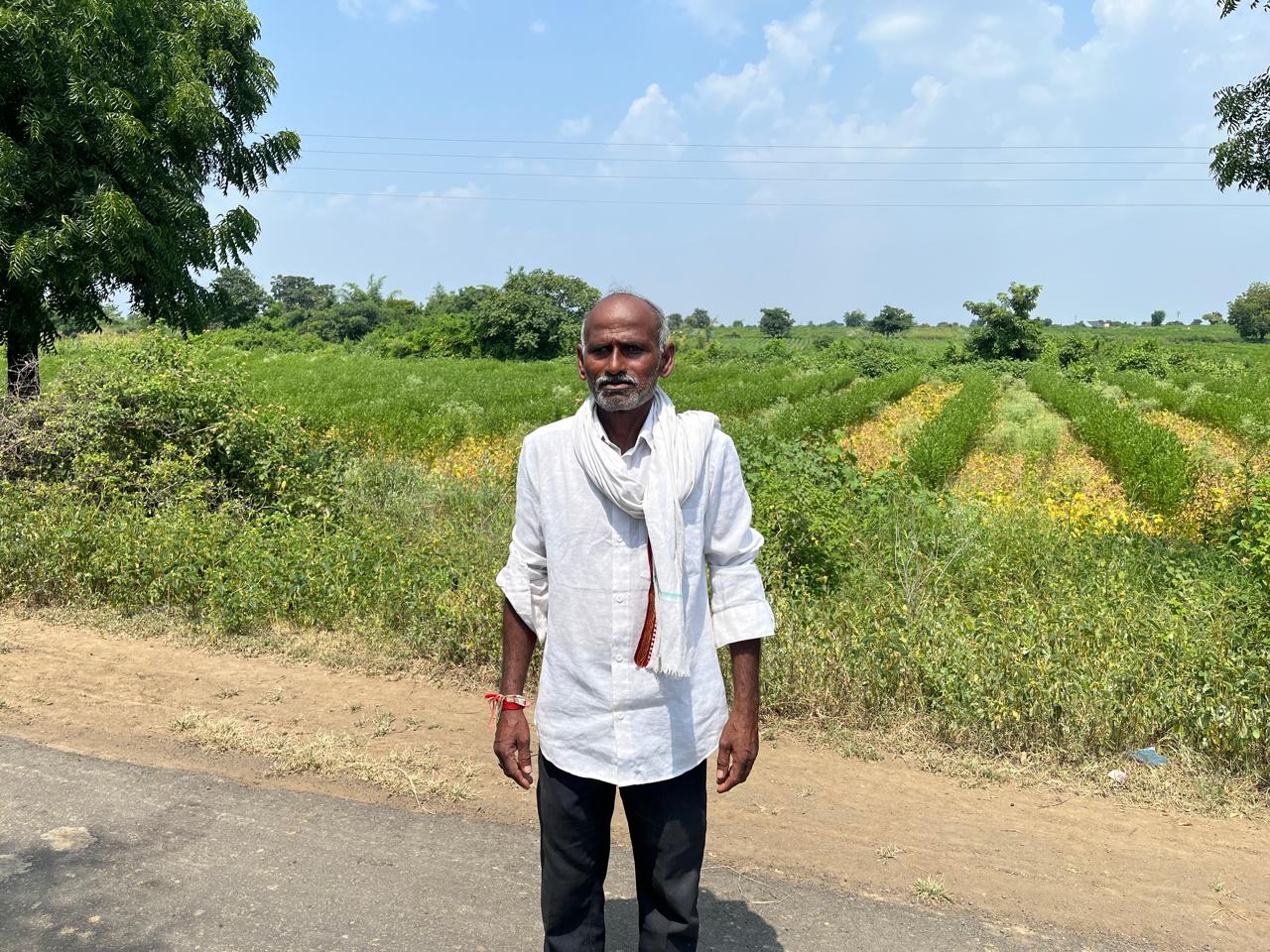 Farmer Arun Deotale.
His elder daughter is pursuing BSc Nursing in Yavatmal. Her fees for two years being Rs 1.25 lakh, of which he has paid about Rs 25,000. He is now considering withdrawing her.
“I will have to work somewhere,” he said. Bhoyar has also had to sell his bullocks. He bought them for about Rs 70,000 but sold them for around Rs 40,000 after fodder became unavailable.
Nitin Gangadhar Nagose (34) of Ichora owns five acres and grows only cotton. Last year, he harvested around 25 quintals; this year, he expects seven to eight.
Story continues below this ad
“Even if it rains now, losses won’t be covered,” he said. With the farm unlikely to provide income through the year, Nagose expects to take up daily wage work. “Construction work in a nearby city may be the only possibility.”
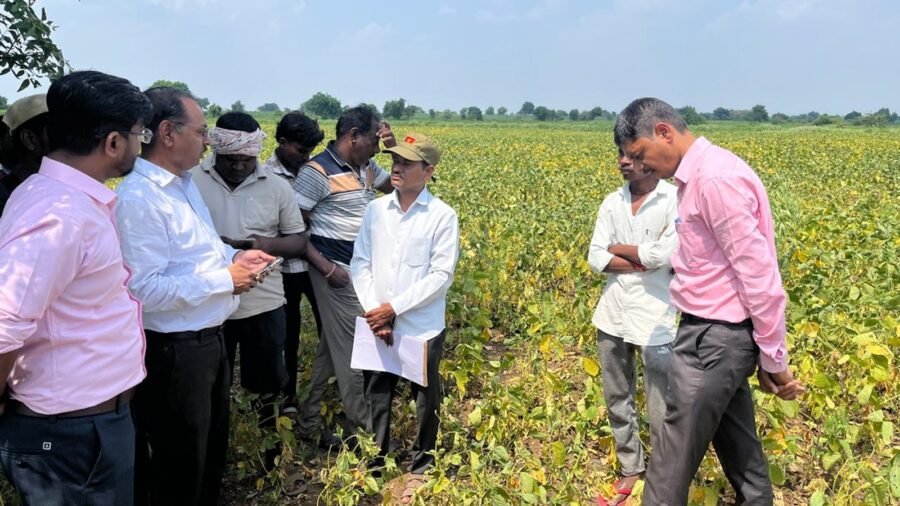
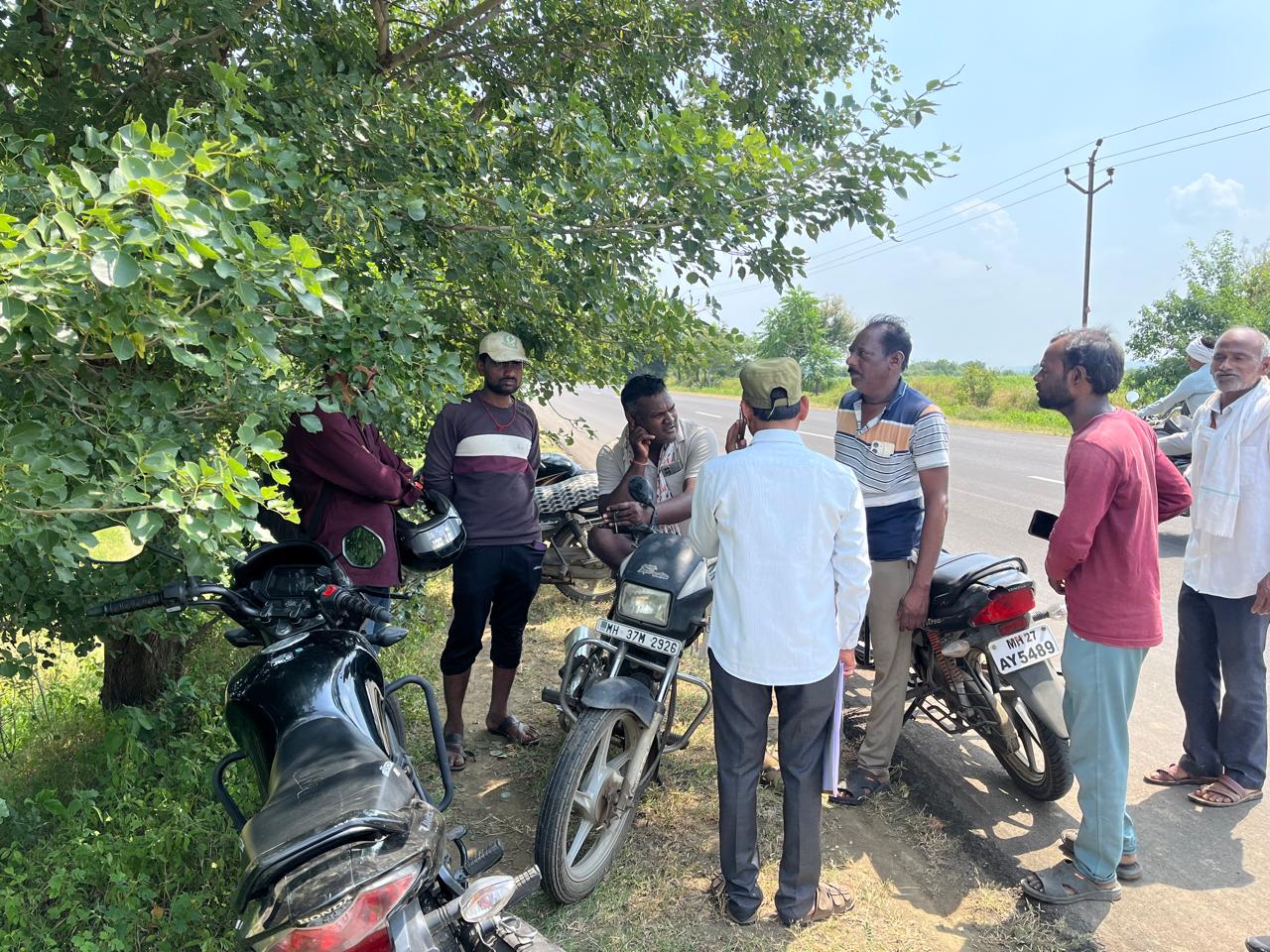 Farmers waiting for officials under the shade of tree on a hot afternoon for panchanams.
Nagose lives with his wife, two sons and parents. “The children do not understand what is happening… they will demand new clothes for Diwali,” he said.
Behind Nagose’s field, Subhash Meshram, 52, and his wife Sumanbai, 48, face another failed cotton crop. Meshram cultivates five acres of cotton and tur. He dug a 35-foot well but there is no water in it.
He expects only four to five quintals of cotton this year against about 50 quintals in a normal year. His wife Sumanbai says, “Dussehra and Diwali will not be celebrated this time.” They have two bullocks and a cow, but managing fodder and water is difficult. Meshram has a crop loan of Rs 1.30 lakh and does not know how he will repay it.
Story continues below this ad
At Ichora, Arun Balkrishna Deotale, 55, cultivates 3.5 acres under tur and cotton and expects only about 10 per cent of the expected crop. “I can die, I can hang myself from this tree, but what will that achieve?
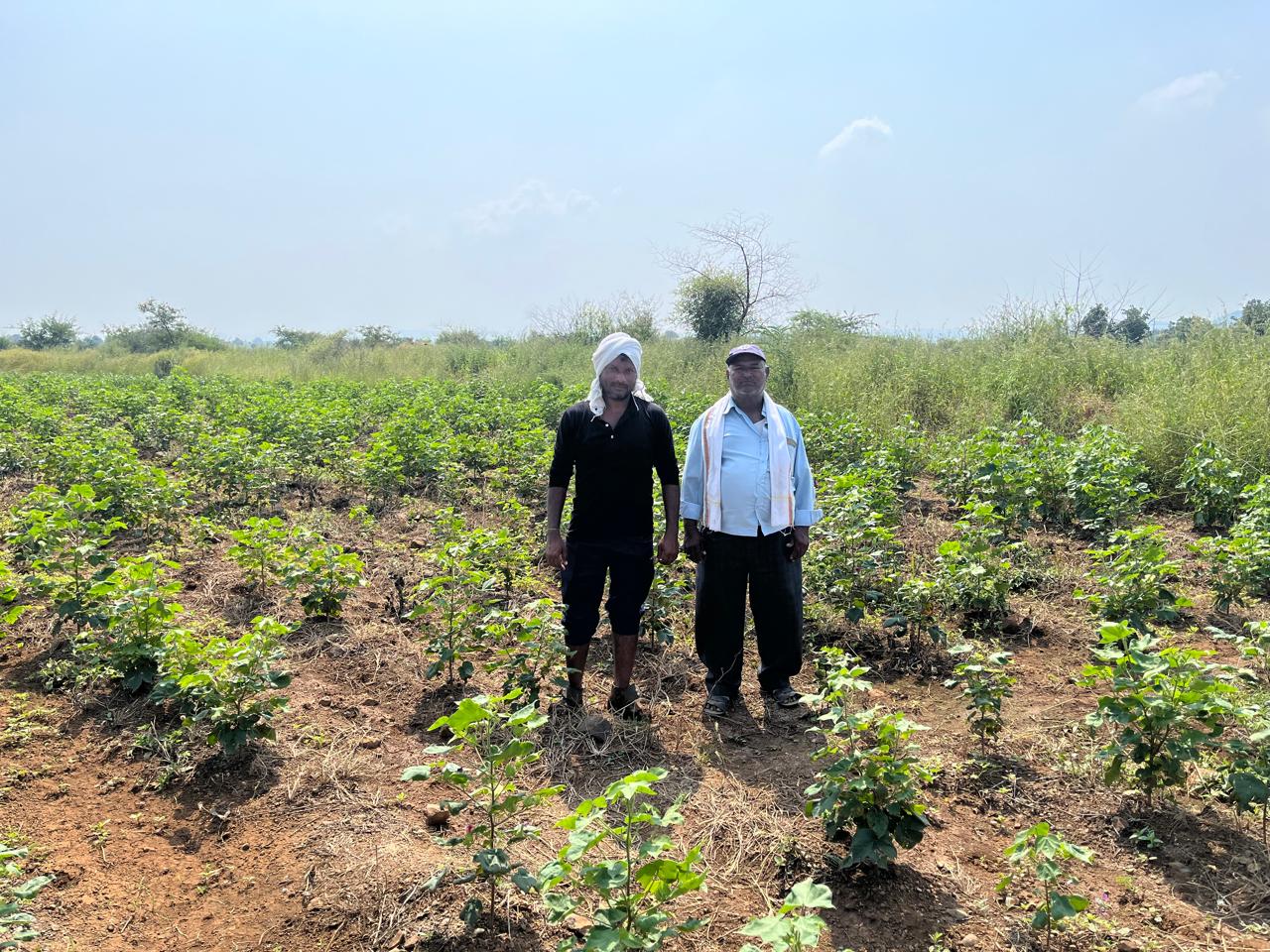 Ashok Landge and his son Swaroop on their farm.
Ramchandra Warhade, 34, who cultivates four acres of vegetables and cotton, fears farmer suicides could increase this year. “Vidarbha’s condition is very bad.”
“Four chief ministers have come from Vidarbha, yet they could not resolve water crisis here,” he said.
Sandeep Thakre, 45, of Ichora, whose cotton, soybean and tur have all suffered, has already spent more than Rs 2.5 lakh. “Even if we recover what we have invested, that would be enough,” he said. “How much will the government give us? Rs 8,000 or Rs 15,000?” he asked.
Story continues below this ad
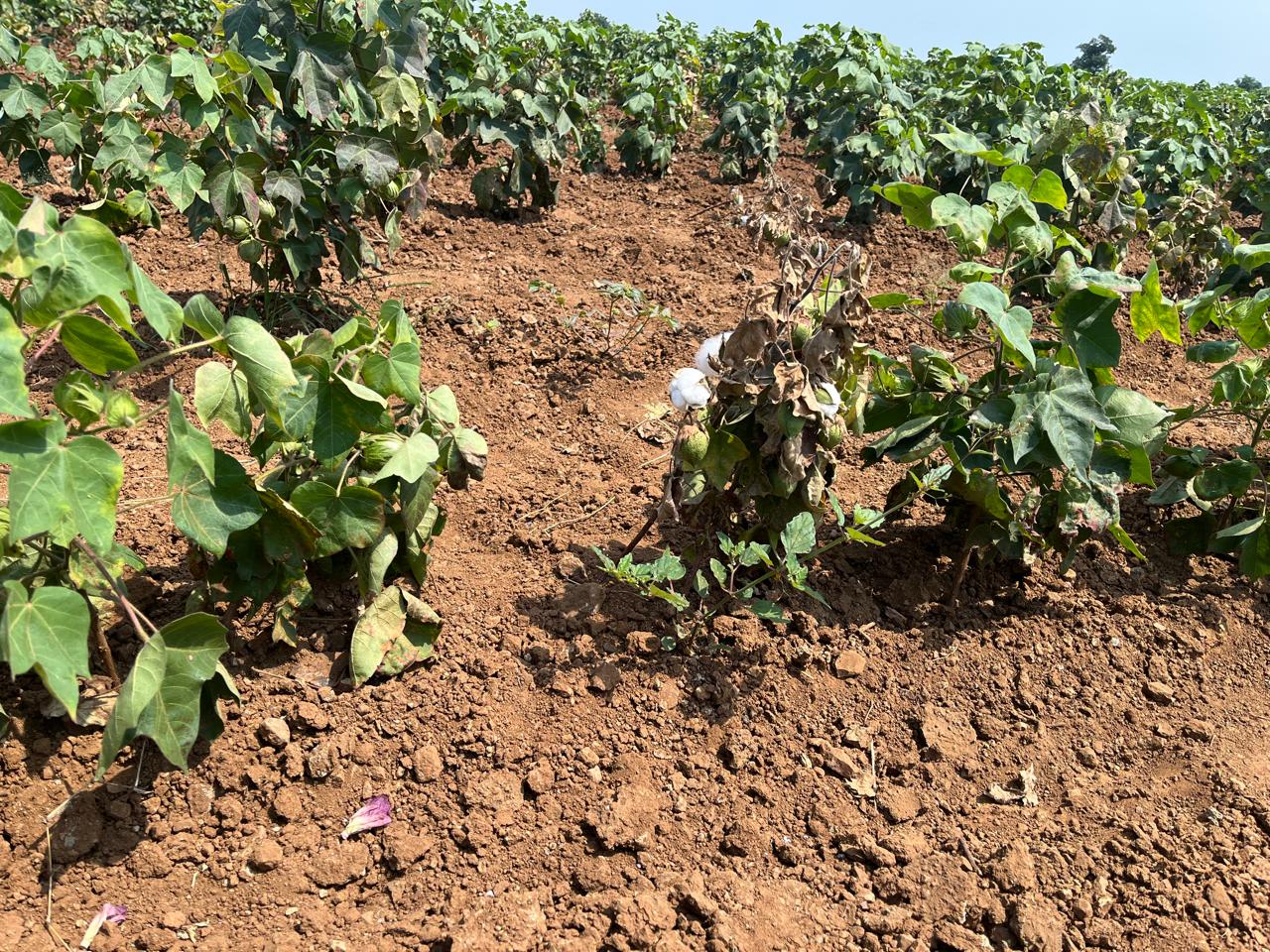 Damaged cotton in Chintaman Bhoyar’s farm.
Warhade added: “Fertiliser prices have increased. They say subsidy has been given, but prices have gone up by Rs 200-300 per bag, except urea.”
spotted panchanamas being done on the fields of Kalamb. “We have started conducting panchnamas across the area and will complete them as soon as possible and submit the report to the government,” tehsildar Abhay Deshpande said.
The decision on relief, he said, would be taken by the state government.
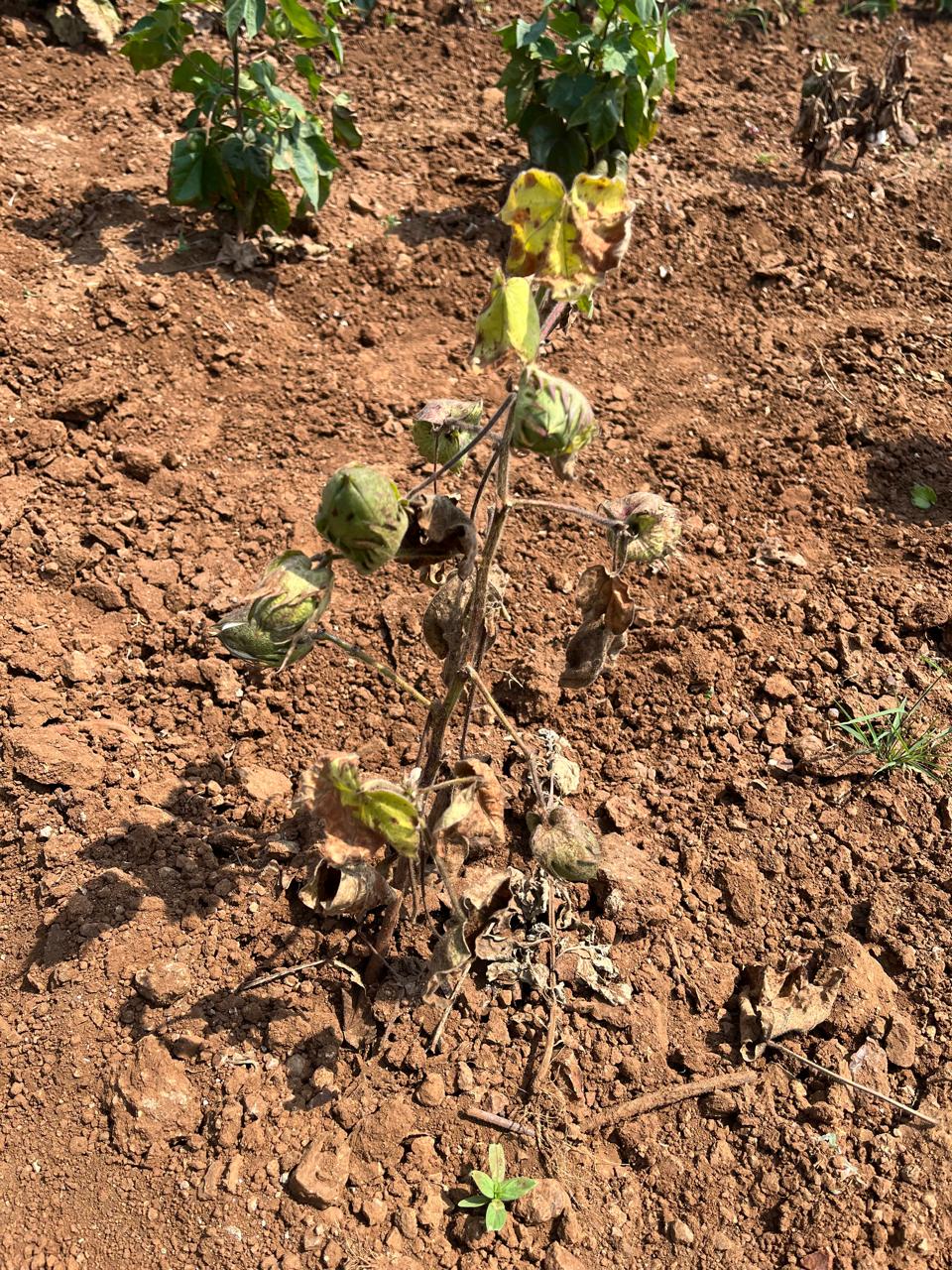 Dried cotton crop.
Sub-divisional magistrate (SDM) Vikas Kardile said 15-20 water-conservation works were under way in Kalamb. “Our priority going forward is water conservation,” Kardile said.
Story continues below this ad
The administration is planning recharge pits on farm lands and repairs to deteriorated bunds and gates. “March and April will be challenging here. This area largely depends on kharif farming, and that itself is lost,” he said.

Govt orders 10% water cut across state from Oct 16
By Sohail Khan · 6 Oct
HC sets aside MahaREAT order, clears way for Turf View project
By Sohail Khan · 6 Oct
Leave a Reply